In a Nutshell:
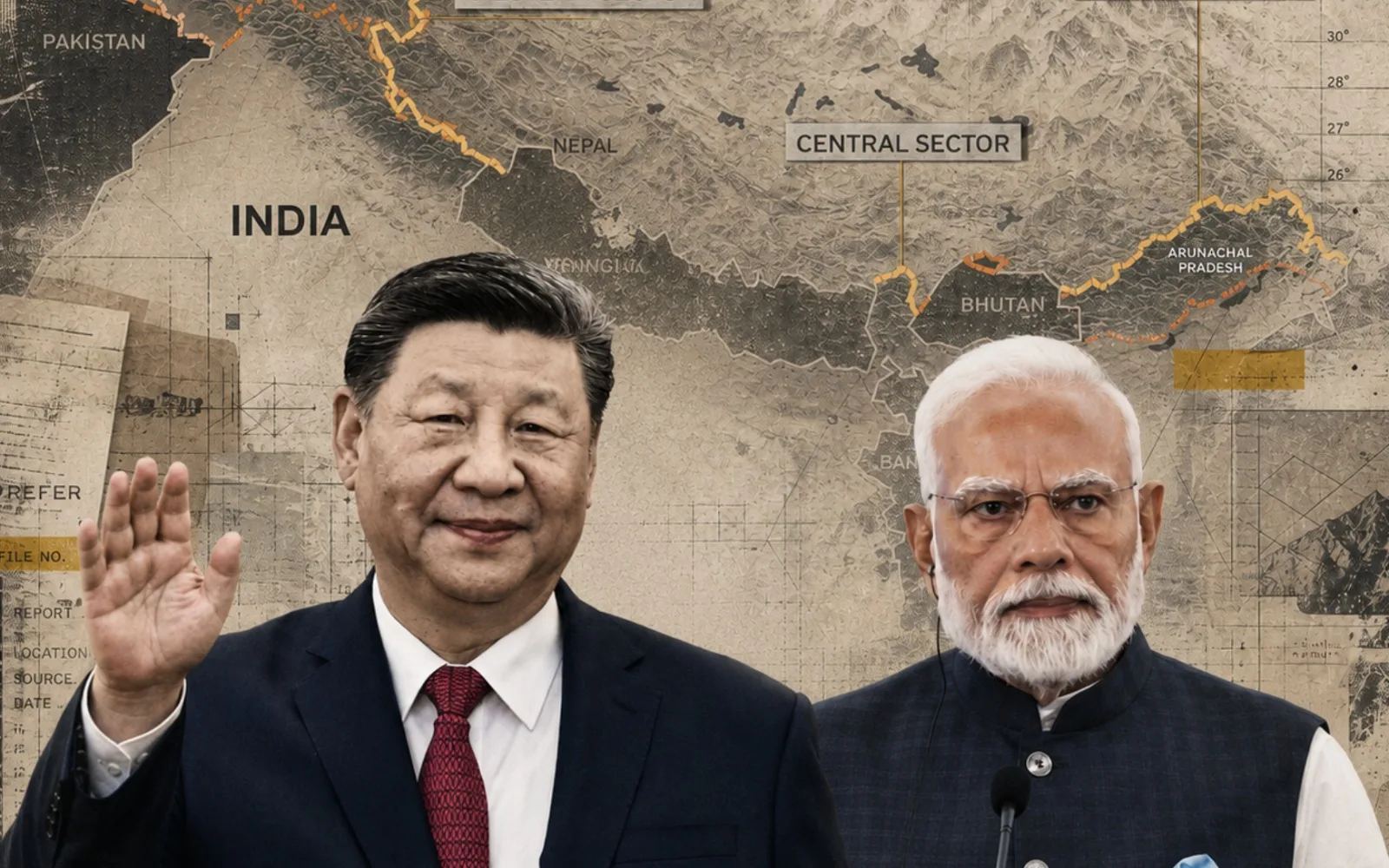
- Reports based on local accounts alleged that Chinese troops entered areas near Pukar La and Ollo in Upper Subansiri district, but Indian security sources said there was no “slow encroachment” by China.
- Arunachal Pradesh Chief Minister Pema Khandu said he did not believe an incursion was taking place and said the Army was effectively guarding the border.
- On August 7th, India officially assigned standard names to 27 locations and geographical features in Arunachal Pradesh, including areas China claims as part of its territory.
- Beijing rejected the move as “illegal, null and void”, saying that “Zangnan region is China’s territory”. China’s Foreign Ministry spokesman Guo Jiakun said India’s attempt to replace names used by China with its own standard names cannot change China’s claim over the region.
- Indian media described the move as a response to Beijing’s own naming campaign, which began in 2017.
- MEA spokesperson Randhir Jaiswal said maintaining peace and tranquillity along the LAC is of “utmost importance” and that the border situation will affect wider bilateral ties.
- At the August 6 WMCC meeting, India and China reviewed the LAC situation and agreed to continue using diplomatic and military channels to prevent misunderstandings and miscalculations.
Context
The dispute intensified once China annexed Tibet in 1950 and began asserting claims over the North-East Frontier Agency (present-day Arunachal Pradesh), which it called “Zangnan” or South Tibet. China has long claimed Arunachal Pradesh as “South Tibet” and does not recognise India's sovereignty over the state. India recently named 27 places and geographical features in Arunachal by their official Indian names, prompting China to reject the move and repeat its claim over the territory.
Why it matters
India's response is striking because the government is disputing the reports of an actual incursion while making clear that any deterioration along the Arunachal border will affect the wider relationship with China. The dispute over who Arunachal belongs to comes as both India and China are trying to prevent the post-2020 border crisis from spilling back into the broader diplomatic relationship, with the August 6 WMCC meeting showing that diplomatic and military channels are still being used to manage LAC tensions. If reports of repeated Chinese activity continue to emerge, Arunachal could become a fresh pressure point just as India and China are trying to expand engagement beyond the border through restored flights, tourist travel, the Kailash Mansarovar pilgrimage, trade and high-level diplomatic contacts.
What we think
Beijing is still rejecting India's claim over the state and objecting to India's recent move, in which it named 27 places in Arunachal Pradesh. The statement from India’s Ministry of External Affairs spokesperson Jhaiswal has also shown that New Delhi is now openly linking border conditions to India’s diplomatic relationship with China. If more disputed incidents follow, the two governments could find it harder to maintain the progress made in flights, travel, trade, and high-level engagement since the 2020 crisis. For Bangladesh, this type of border dispute doesn’t bring any good. These kinds of incidents, near the border, always finds a way to trickle down.