Bangladesh Calls for BIMSTEC to Look Beyond Bilateral Tensions
Bangladesh has called on BIMSTEC members to move beyond bilateral tensions and strengthen regional cooperation. As the current chair of the grouping and host of its secretariat, Bangladesh is also preparing to host the next BIMSTEC summit in Dhaka in 2027.
In a Nutshell
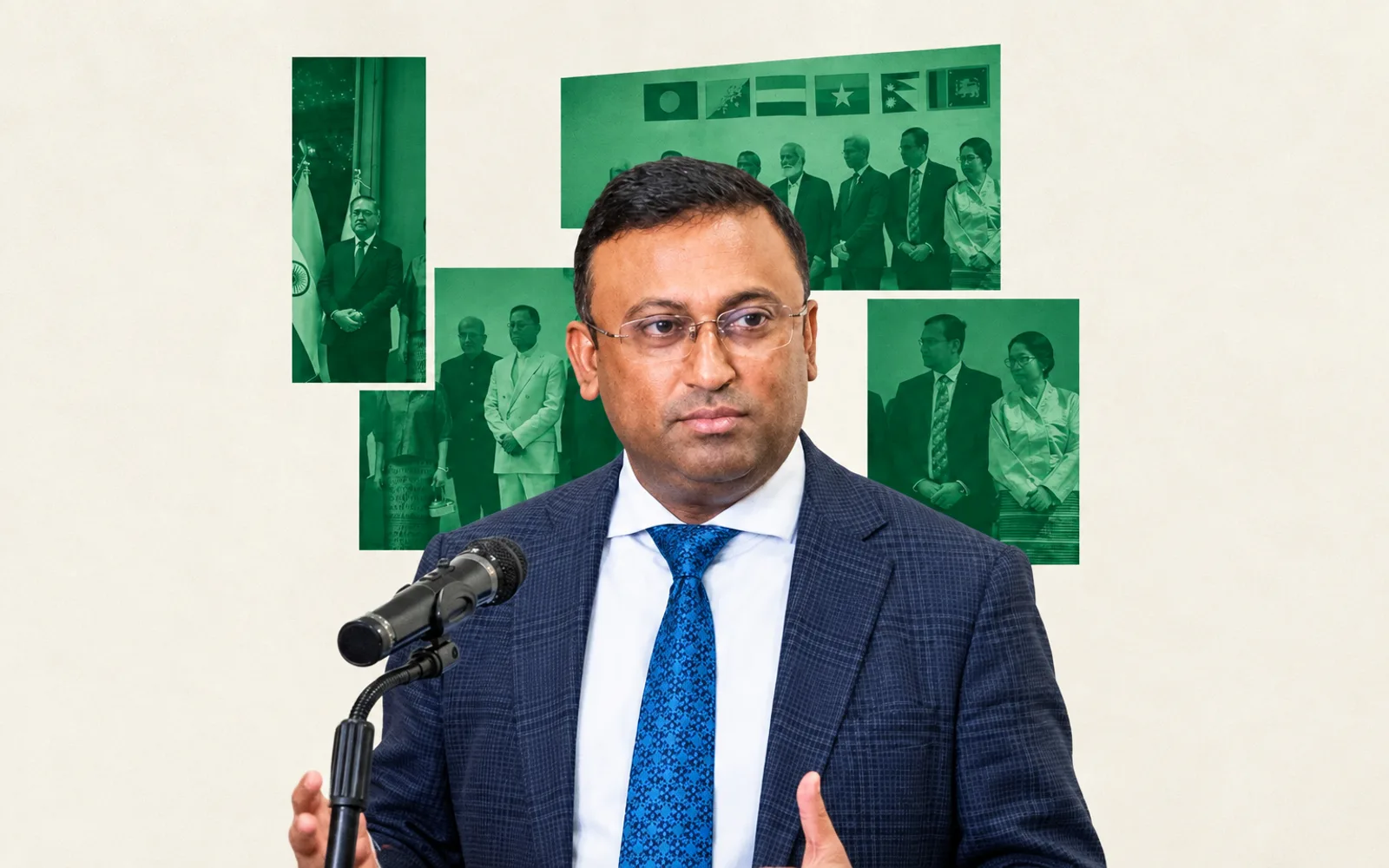
- State Minister for Foreign Affairs Humaiun Kobir made the remarks at the BIMSTEC Secretariat Establishment Day reception in Dhaka on September 14.
- Bangladesh is currently the chair of BIMSTEC and is expected to host the next summit in Dhaka in 2027 and said its approach to BIMSTEC would focus on practical cooperation and measurable outcomes.
- He called for greater trust, political will and wider regional engagement among the seven member states and pointed to shared challenges such as energy insecurity, climate change, cyber threats, transnational crime and humanitarian crises.
- He also highlighted trade, investment, connectivity, the blue economy and the proposed BIMSTEC Free Trade Area as key areas for cooperation.
Context
BIMSTEC brings together Bangladesh, Bhutan, India, Myanmar, Nepal, Sri Lanka and Thailand, connecting South and Southeast Asia through the Bay of Bengal. Its secretariat has been based in Dhaka since 2014, giving Bangladesh an important institutional role within the grouping. The call for members to look beyond bilateral tensions comes as several countries in the region have complicated relationships with one another.
Bangladesh, at present, is navigating changing ties with India and strengthening engagement with countries such as China, while Myanmar remains affected by political and security instability. So, Bangladesh is now using its chairmanship to push areas that directly affect the region, including trade, connectivity, energy, maritime resources and security.
Why It Matters
For Bangladesh, BIMSTEC is like a potential bridge between South and Southeast Asia, particularly through trade routes, ports, and connectivity across the Bay of Bengal. As Bangladesh is set to host the 2027 summit during its chairmanship, it looks to BIMSTEC to turn its position at the centre of the grouping into practical economic and diplomatic gains, creating opportunities in trade, investment, tourism, and the blue economy.
What We Think
Bangladesh’s options for active regional cooperation are already limited. SAARC has remained largely inactive, while Bangladesh is not a member of ASEAN, leaving BIMSTEC as one of the few platforms connecting Bangladesh with both South and Southeast Asia. With Bangladesh holding the chair and Dhaka set to host the next summit, BIMSTEC is, at present, a regional hope that fosters trade, investment, energy, and connectivity across the Bay of Bengal.