Gas Crisis Shuts 900+ Factories: What Happens to the Workers Now?
Bangladesh's textile heartland has gone dark. Gas shortages have forced over 900 mills to stop working, and thousands of workers are losing their wages with no clear end in sight.
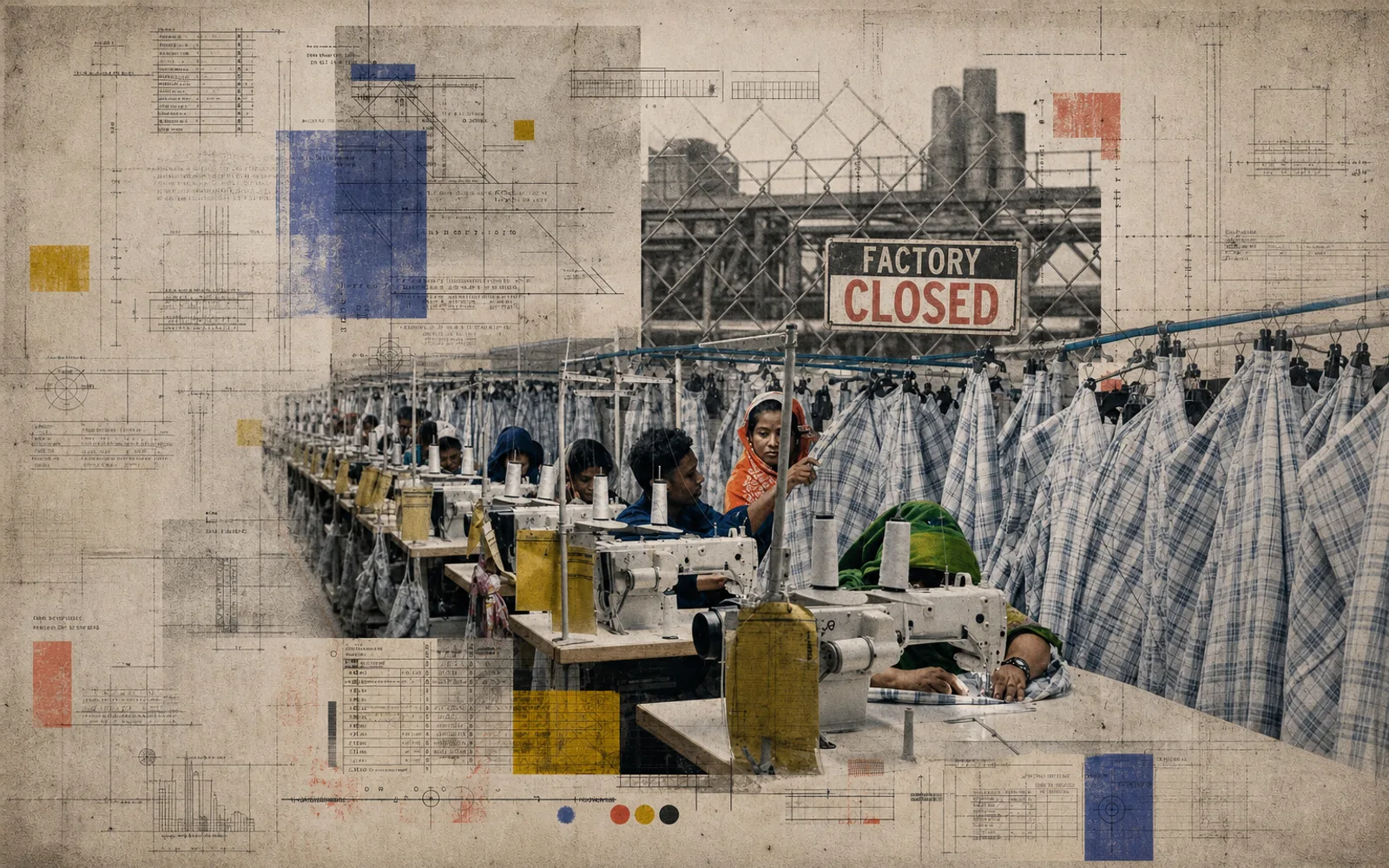
In a Nutshell:
- Over 900 of BTMA’s 1,800-plus member textile mills are currently shut because of this ongoing gas crisis, which BTMA president Showkat Aziz Russell called a “national state of emergency” on August 18. This is costing the industry about Tk2 crore every day.
- Habiganj’s 171 factories were fully shut for three days in mid-August, temporarily leaving 150,000 to 200,000 workers without work, before gas supply resumed on August 15-16 and production restarted.
- At the same time, the government is reopening factories that were already closed for years. This includes 20 of BJMC's 25 old jute mills, leased out to private groups like PRAN-RFL and HAMKO.
- CPD Research Director Dr Khondaker Golam Moazzem says these are two different problems. He wants the government to fix gas and power supply first, before reopening old, long-dead factories.
- Moazzem also says the process of choosing which old factories to reopen must be transparent. He points out that political influence in the past stopped real economic benefits from reaching people.
Context
Bangladesh's factories run mostly on natural gas. This includes textile mills, steel plants, and food processing units. Right now, two different problems are happening at once. A gas terminal fire in July caused a sudden crisis, shutting down over 900 active textile mills. Separately, the government has a long-term plan to reopen factories that were already closed years ago. CPD warns that mixing up these two timelines is risky. Fixing today's gas shortage should come before reviving old factories.
Why it matters
This crisis is about more than machines stopping. It affects the livelihoods of poor factory workers and Bangladesh's reputation as a reliable exporter. Textile and garment exports bring in most of the country's foreign money. Buyers in countries like Vietnam and India are watching closely, and delays could push them to shift orders elsewhere. Finance Adviser Amir Khosru Mahmud Chowdhury has said this crisis could take up to two years to fully fix, so the risk of losing orders is real. The banking sector is also under pressure. Bad loans already stand at around Tk588,704 crore, and closed factories struggling to repay loans could push this number even higher. The government now faces two jobs at once: saving factories hit by this sudden gas shortage, and separately reviving old factories like the jute mills.
What we think
The bigger question here is not just whether gas supply improves, but who gets it first when it does. Fertiliser plants like Ghorashal-Palash are officially getting priority gas right now, while gas to CNG stations, factories and homes gets cut. But official priority lists have not always matched what actually happens on the ground. The 2024 White Paper on Bangladesh's economy found that gas and power contracts were often given to politically connected groups like Summit, with some companies paying far less for gas than others. A separate SANEM study found that even LNG terminal deals were shaped by lobbying from connected advisers, showing that large gas contracts are more open to favoritism than smaller, decentralized options like rooftop solar. This pattern matters right now because over 1,850 factory gas-connection requests are still pending, and how those get approved will show whether this crisis is handled fairly or through the same old informal channels. It also connects back to worker rights, since the Ashulia layoff case showed that retrenched workers are legally owed dues and job-return priority under the Labour Act, a right many workers may not fully know about. And the effects will not stay inside factory walls. Rising diesel costs for factories running on generators could eventually raise prices of gas-dependent essentials like sugar and oil, meaning ordinary households will feel this crisis too, whether or not they work in a factory.