Bangladesh's Gulf Gambit and India's Cautious Silence
Bangladesh shows interest in a new defence pact, Indian External Affairs spokesperson Randhir Jaiswal says, "We are watching." India's foreign minister, S. Jaishankar, questions whether the pact is even a big deal, but he isn't ignoring it either.
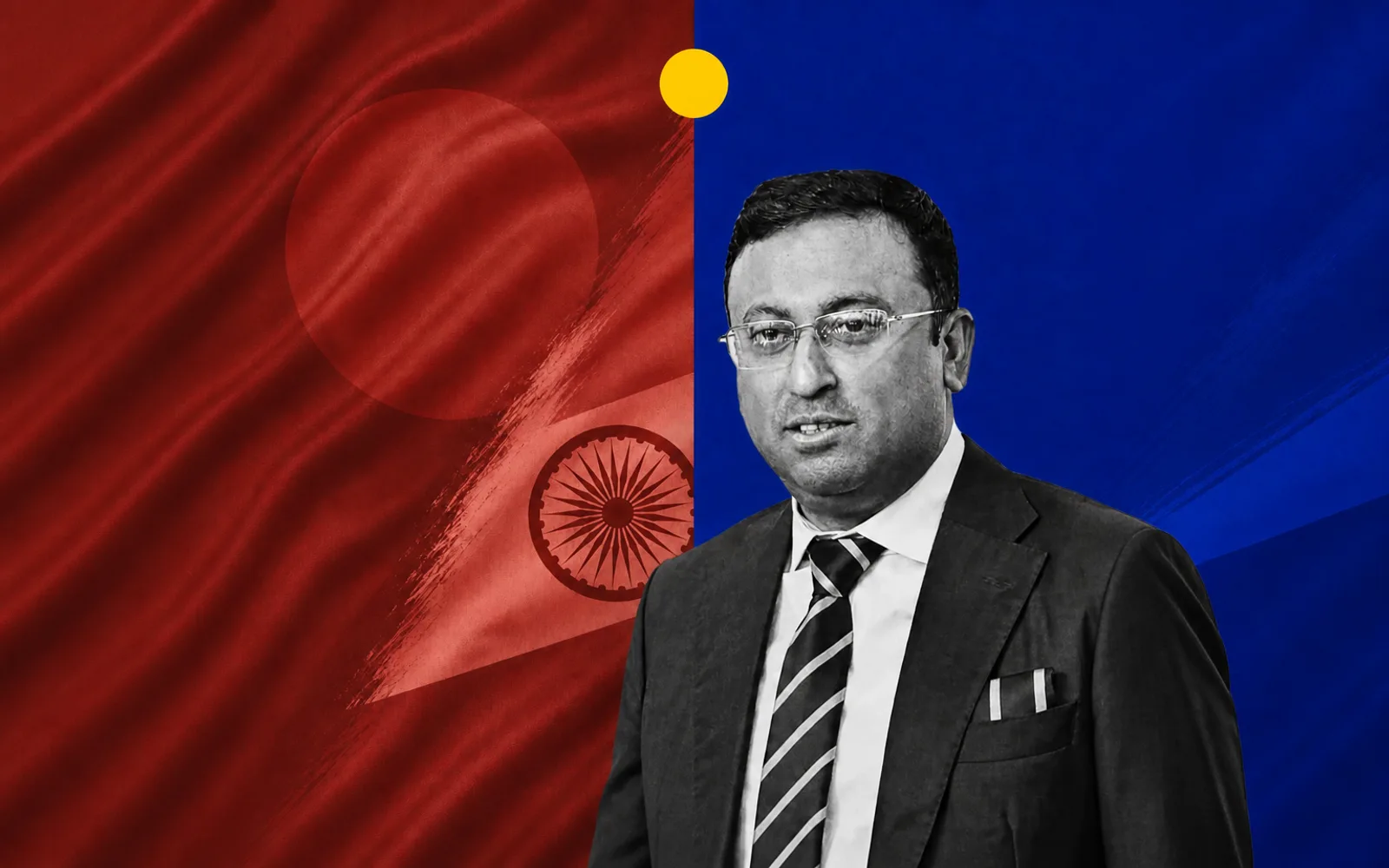
In a Nutshell:
- On August 21, 2026, India's External Affairs spokesperson Randhir Jaiswal kept things brief when asked about Bangladesh joining the pact. He said, "We continue to closely follow developments that are happening in West Asia. This is what I have to say at this point in time."
- Earlier, on August 11, Jaiswal provided a more detailed answer. He noted that India was looking at the pact to see how it would affect its national security and regional peace. This was a step up from August 7, when he said India was simply "monitoring" it.
- On August 21, India's External Affairs Minister, S. Jaishankar, wondered aloud if the pact was actually useful. At an event in Delhi, he asked, "There are live military situations which each of the signatories face, what has the Makkah pact done in response to that?" However, he added that "everything counts" when India looks at its security.
- That same day, Bangladesh's State Minister for Foreign Affairs, Humayun Kabir, said his country has a "positive approach" to joining a defence or economic group with Saudi Arabia, Pakistan, and Turkey, as it could advance its national interests.
- State Minister Shama Obaed Islam agreed with Kabir, saying any decision to join a group like this will depend entirely on what is best for Bangladesh and its people.
Context
Saudi Arabia, Pakistan, and Turkey signed the Mecca Joint Defence Agreement on August 7, 2026. Similar to NATO, where an attack on one member is an attack on all. Bangladesh's current government has shown interest in joining but hasn't made a final choice. Over the last two weeks, India's reaction has shifted from simply "monitoring" the pact to a more complex view. They doubt it will have a huge real-world impact, but they admit it still matters for India's long-term safety.
Why it matters
There is a new twist to the story: India's top diplomat doesn't seem to think the pact has yet proven its military worth. When Jaishankar asked what the pact has actually done to help its members in real conflicts, he signalled that India views it mostly as talk for now. But by adding that "everything counts," he showed India is keeping a close eye on the long-term effects, especially if a neighbouring country like Bangladesh joins. This means India might not overreact to Bangladesh's current interest. However, if Bangladesh actually signs the paperwork, India would take it very seriously since they share a border. On the financial side, Saudi Arabia is a major source of jobs and money for Bangladesh, so getting closer to the Gulf makes economic sense for them. Experts think this pact could eventually mix Saudi money, Turkish technology, and Pakistani workers into a powerful group. Overall, this shows a broader trend of Gulf countries and Turkey forming new alliances that draw in partners like Bangladesh, while India is still figuring out how much it all truly matters.
What we think
There is strategic ambiguity on both sides. Dhaka has expressed interest in possibilities but has not signed a commitment; New Delhi has said it is watching, not objecting. Jaishankar’s scepticism matters: India appears unconvinced that this pact has yet to prove its military relevance. Still, geography makes Bangladesh different from distant signatories. Any formal move would inevitably enter India’s security calculus. For now, however, headlines have converted guarded diplomatic language into certainty. The wiser reading is that Dhaka is testing options, while Delhi is reserving judgment.