Bangladesh Maps Out Way to Strengthen Energy Security
Bangladesh is planning a major expansion of LNG infrastructure as rising gas demand and limited domestic production increase the country's dependence on imported fuel. The government says additional terminals and diversified sourcing are being pursued to make energy supplies more reliable and flexible.
In a Nutshell
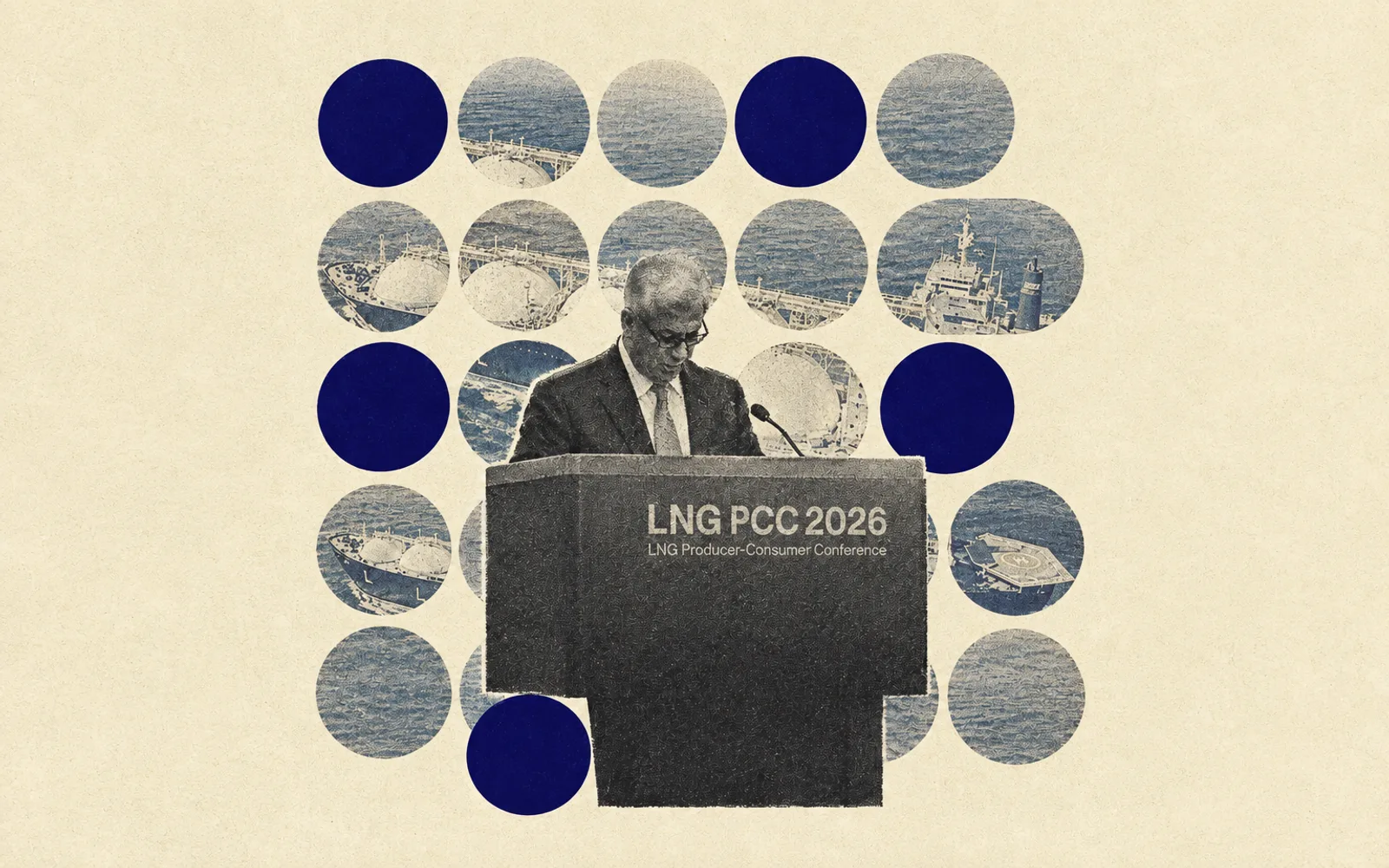
- State Minister for Power, Energy and Mineral Resources Aninda Islam Amit outlined Bangladesh's energy plans at the 15th LNG Producer-Consumer Conference 2026 in Tokyo.
- Annual LNG demand is currently around 7 million tonnes.
- Bangladesh currently receives around 1,100 million cubic feet per day (MMcfd) of LNG through two floating storage and regasification units.
- A new 600 MMcfd floating LNG terminal is planned for Maheshkhali by 2028 and a 1,000 MMcfd land-based LNG terminal is planned for Matarbari by 2030.
- LNG supply is planned to increase by 3–4 million tonnes per year between 2026 and 2030 and is projected to reach 17–18 million tonnes annually during 2031–2040.
- Bangladesh is seeking LNG from multiple sources through government-to-government agreements, requests for quotation and direct procurement.
Context
Bangladesh’s energy demand is rising as its population, industries, cities, and electricity use expand. That shortfall has made imported liquefied natural gas an increasingly important part of the national gas supply system. Bangladesh now receives about 1,100 MMcfd of regasified LNG through two floating storage and regasification units, while annual LNG demand is close to 7 million tonnes. The government is therefore moving to expand import capacity while widening its supplier base. Its plan includes a 600 MMcfd floating terminal at Maheshkhali by 2028 and a 1,000 MMcfd land-based terminal at Matarbari by 2030. At the same time, Bangladesh aims to secure LNG through government-to-government deals, requests for quotation and direct procurement.
Why It Matters
The planned infrastructure could help Bangladesh handle a much larger volume of imported LNG and reduce gas shortages affecting power plants, industries, fertiliser factories and other major consumers. More regasification capacity may also give the government greater operational flexibility when domestic supply falls or demand rises sharply.
However, the strategy will deepen Bangladesh’s exposure to international LNG prices and supply disruptions. Global gas markets can be affected by war, geopolitical tensions, shipping disruptions, extreme weather and competition among major importing countries. For Bangladesh, the challenge is not only to ensure physical supply, but also to secure fuel at prices that households, industries and the government can afford.
What We Think
Bangladesh already imports nearly 7 million tonnes of LNG a year and receives around 1,100 MMcfd of LNG through two floating terminals, underscoring its growing reliance on imported gas as domestic output falls short of demand. The planned 600 MMcfd Maheshkhali FSRU and 1,000 MMcfd Matarbari land terminal would add 1,600 MMcfd of import capacity. LNG supply is also expected to rise by 3–4 million tonnes annually by 2030, reaching 17–18 million tonnes annually in 2031–2040. The expansion could make gas supply more reliable for power plants, factories and fertiliser production. But it will also expose Bangladesh more heavily to volatile global LNG prices, supply disruptions and pressure on foreign-exchange reserves. The real test will be whether the government can secure affordable long-term supplies while avoiding higher subsidies and energy costs for consumers and businesses.