Bangladesh and Qatar Agree to Set Up Joint Groups on Energy and Finance
Foreign Minister Khalilur Rahman's delegation held key talks in Doha this week, agreeing to set up new working groups on energy and finance with Qatar.
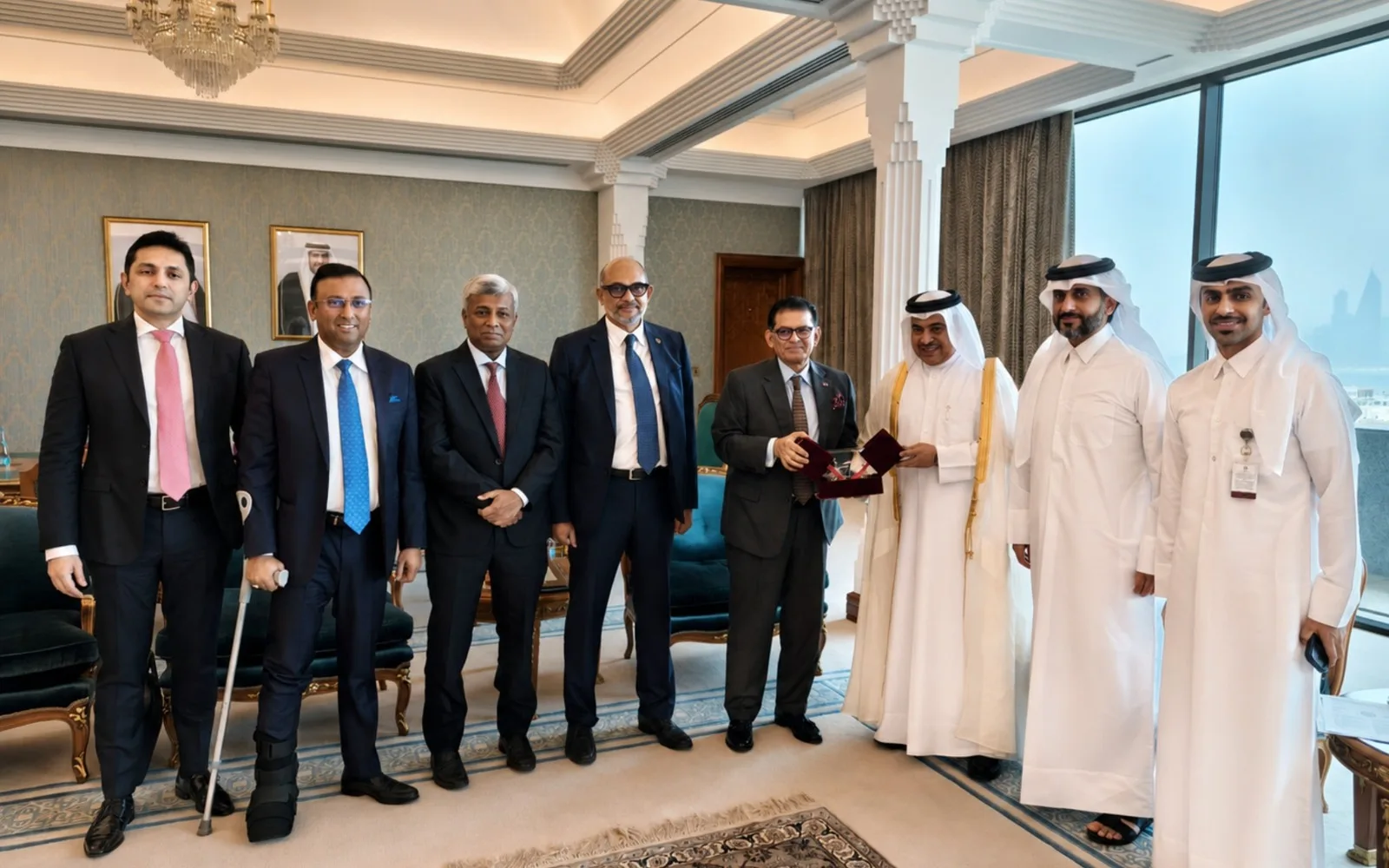
In a Nutshell:
- Foreign Minister Dr. Khalilur Rahman led a delegation to Doha on August 18, holding separate talks with Qatar's Energy Minister Saad bin Sherida Al Kaabi and Finance Minister Ali bin Ahmed Al Kuwari.
- Bangladesh and Qatar agreed to form two new joint working groups, one on energy and one on finance, to follow up on cooperation.
- The delegation included Finance Adviser Rashed Al Mahmud Titumir, State Minister for Power Aninda Islam Amit, and Foreign Affairs Adviser Humaiun Kobir.
- Dr. Khalilur Rahman invited both Qatari ministers to visit Bangladesh, and the talks came amid Strait of Hormuz tensions that had already cut Qatar's 2026 LNG deliveries to Bangladesh by roughly half.
- Just two days before the Doha talks, Finance Minister Amir Khosru Mahmud Chowdhury told an American Chamber of Commerce event at Hotel InterContinental Dhaka on August 16 that resolving the gas and electricity crisis will take at least two years, and that terminal and storage decisions would be finalised "within the next few days".
Context
Bangladesh buys most of its LNG from Qatar under long-term deals signed in 2017 and 2023. The Iran-Israel war disrupted Gulf shipping this year, so QatarEnergy declared force majeure and cut deliveries, leading to gas rationing and fertiliser plant shutdowns at home. The Doha talks and new working groups appear aimed at fixing this problem, while Bangladesh separately seeks IMF and multilateral financing.
Why it matters
Bangladesh imports almost all of its energy, so the Hormuz-related supply cuts showed how exposed the country is to distant conflicts. Setting up formal working groups suggests Dhaka wants steadier, longer-term ties with Doha, not just occasional cargo purchases, covering supply, pricing, and possibly investment in new terminals. Sending Adviser Titumir to meet Qatar's finance minister also suggests Bangladesh wants funding options beyond the IMF and World Bank, even as it negotiates a new IMF loan after leaving its old programme. This fits a wider pattern of Gulf countries becoming key partners for South Asian nations facing both energy and money shortages. For Qatar, closer ties with Bangladesh mean a bigger LNG customer base and a stronger diplomatic role in the region, alongside its existing involvement in Rohingya-related talks with Dhaka. Whether these working groups deliver real results will become clearer within the two-year window the finance minister mentioned.
What we think
The outcome of these working groups remains uncertain, as no public details on supply volumes, pricing, or deadlines have been shared yet. Bangladesh discussed similar plans with Qatar in April 2025, including an LNG deal renewal and a fourth FSRU, and those projects are still in the early planning stages more than a year later. This suggests it may take time for this new framework to produce visible results, though it does show continued diplomatic engagement on a pressing issue. On financing, Bangladesh is exploring Qatari investment while also negotiating a new IMF programme, and it will be worth watching what terms come with any Qatari funding once details emerge. The key thing to track next is whether Khosru's promised terminal and storage announcement arrives on time, and whether it actually eases the shortages households and factories have faced this year.