NATIONAL
Floodwaters force snakes into residential areas in Chattogram; 86 people bitten in 7 days
Floodwaters in Chattogram drove snakes into residential areas, causing 86 snakebite injuries in seven days as teams distribute antivenom.
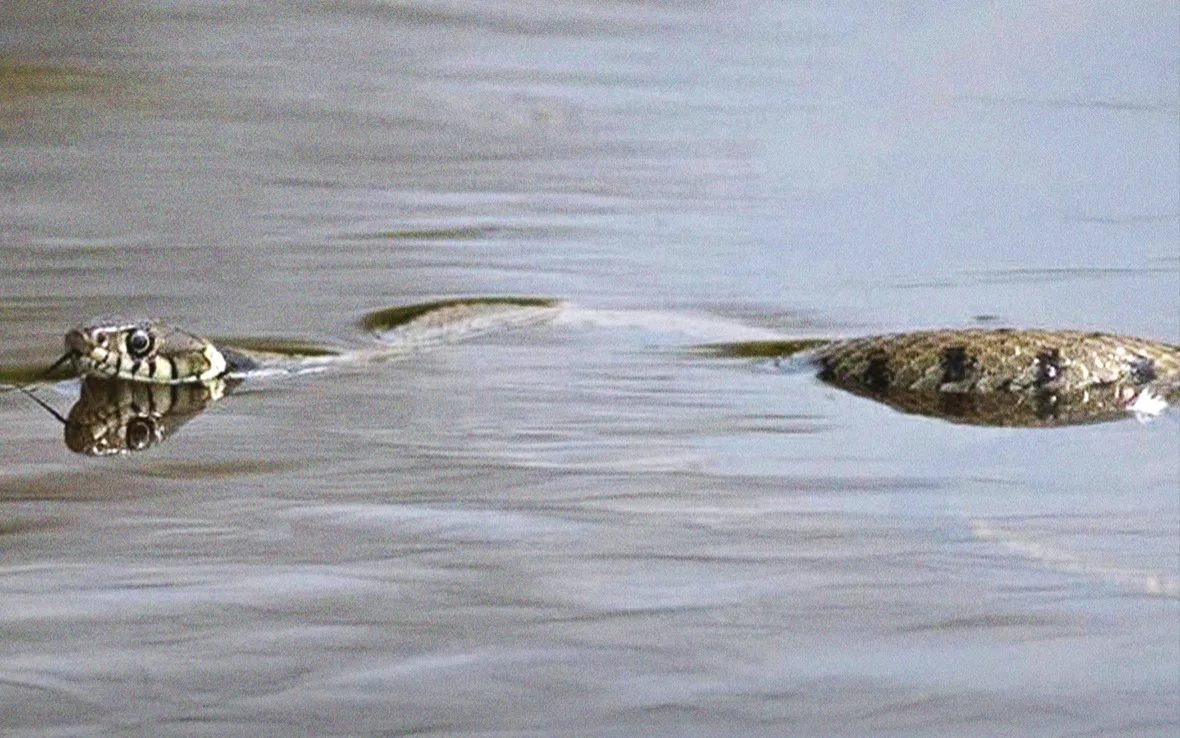
Collected
LISTEN2:27
Bionic
Reading
Reading
BIONIC READING
In a Nutshell:
- Severe weather, including continuous rain and hill torrents, has driven snakes into flooded communities in Chattogram, resulting in at least 75 snakebite injuries over a span of a few days.
- Local health authorities, led by Chattogram Civil Surgeon Dr. Jahangir Alam, have deployed special medical teams to upazila (sub-district) health complexes to distribute antivenom, oral rehydration saline, and essential medicines.
- Although the regional death toll from floods and landslides across five districts has climbed to 51 individuals, no snakebite deaths have occurred due to targeted medical preparedness and priority transport protocols for vulnerable residents.
Why it Matters
This situation highlights how multi-layered human suffering becomes during a severe flood crisis. While waterlogging directly disrupts daily survival by halting work, closing schools, freezing agricultural farming, and cutting off access to basic groceries, it simultaneously introduces a terrifying physical hazard by forcing venomous snakes into flooded human habitats.
- The surge in snakebites shows that environmental disasters create secondary health hazards that can be just as threatening as the initial flooding or landslides.
- In the short term, effective medical intervention keeps mortality rates low; however, continued flooding presents ongoing risks to vulnerable populations, particularly pregnant women and children who require emergency water transport.
Who it matters to
The ongoing emergency directly affects local residents, regional healthcare workers, and emergency management authorities who must coordinate relief amidst severe geographic disruptions.
- Local communities face the dual threat of losing their homes to floods and encountering venomous snakes, with pregnant women and seriously ill children depending entirely on emergency boat transport for survival.
- Upazila health complexes and specialized medical teams are under intense pressure to safely manage supply lines, administer antivenoms, and deliver essential healthcare services under challenging field conditions.
Related Articles
Dengue Surges Nationwide: Hospitalisations Top 1,000 Daily