What if public spaces in Dhaka were designed for women?
- The first piece of a series called “What if” - Reimagining gender-inclusive urban spaces in Dhaka
It’s 8:15 am, Oyshi steps past her front door in Dhaka and fires up her survival instinct.
Before her feet even hit the pavement, the calculation begins. “Route A is faster, but Route B has open tea stalls and actual humans: go with B.” She checks her phone to ensure her live location is being shared, just in case she vanishes into thin air. She weighs her bank balance against her peace of mind: Is today a “pay triple for an Uber” day, or can I survive the bus?
On the bus, she executes the delicate, practiced maneuver of shrinking her physical presence into a corner to avoid being pinned against a stranger, while systematically ignoring the creepy stares. An eye on the clock has her calculating, even before she has arrived, when she needs to wrap up her work so she can get home before the sun sets.
By the time she reaches her desk, she’s already made a hundred micro-decisions to protect her safety. And the day has barely even started. Oyshi isn't paranoid. She’s just a woman getting to work in Dhaka.
To understand how women actually experience the city, Nutshell Today conducted a survey of nearly 200 female commuters between the ages of 15 and 60, across different professions. Nearly 90% of our survey respondents travel alone on a daily or weekly basis. At the same time, 86.5% have felt unsafe in Dhaka's public spaces. So, they adapt and strategize. 63.6% avoid certain roads. Over 50% wear their outfits based on "creep-prevention." Half of them share their live location with loved ones, while 42.4% pay extra on online rides.
It’s an absurd amount of emotional and financial labor just to cross town. What if women did not have to make dozens of small decisions every day simply to move through their own city? What if public spaces were designed for women?
Other cities have already asked the question
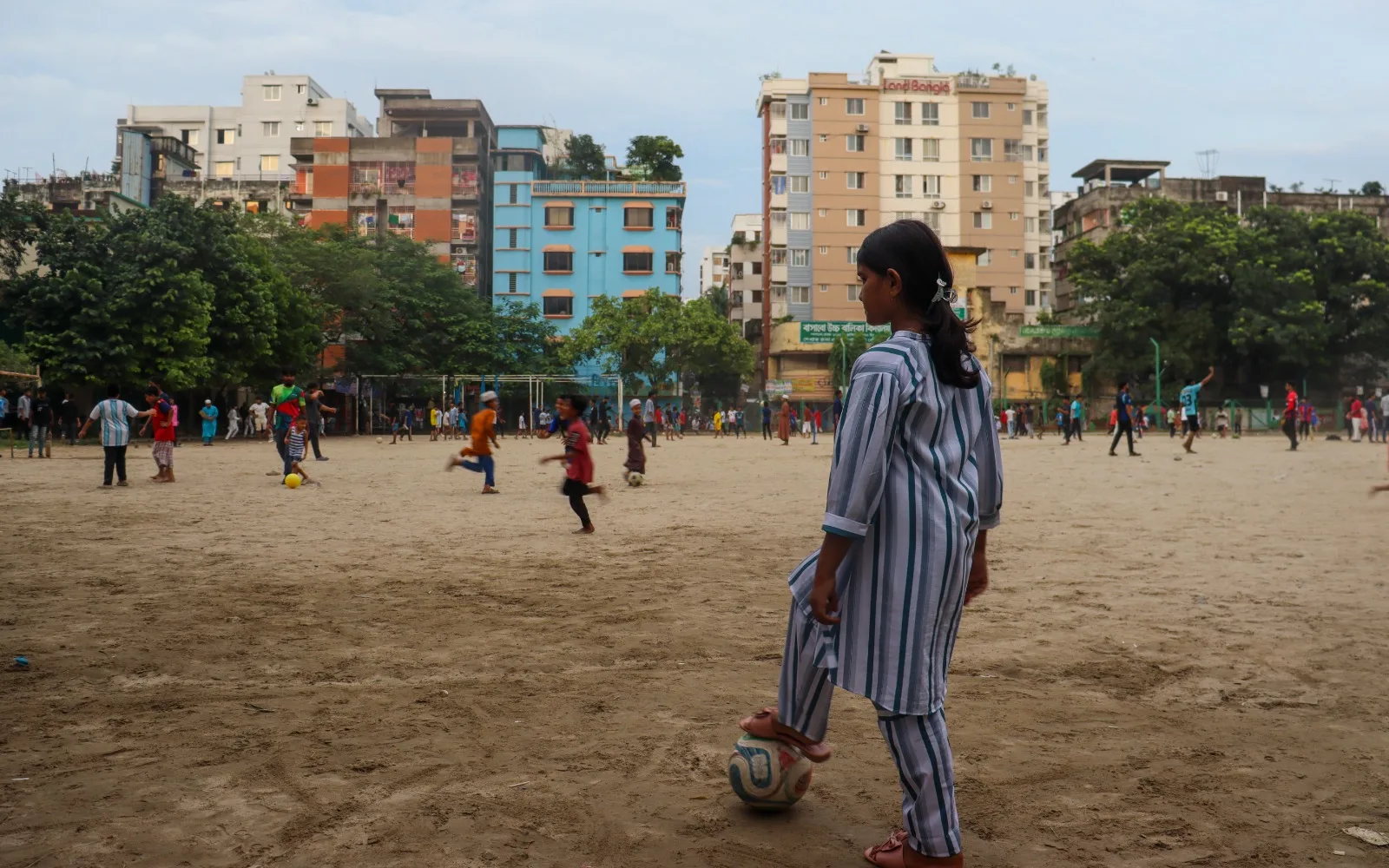
Girls don't abandon public spaces because they suddenly lose interest in the outdoors.
Vienna, the capital of Austria, proved this when they realised massive, single-purpose sports fields were essentially acting as boys-only territories. Instead of banning football or creating women-only zones, Vienna transformed those massive fields into varied activity zones and created multiple entrances. Girls started coming back to the parks. Thanks to this breakthrough, Vienna established clear guidelines for gender-sensitive park planning as part of its gender mainstreaming agenda. They also widened sidewalks and reimagined transit built for people juggling errands, kids, and work.
Meanwhile, in Dhaka, 42.5% of surveyed women report that parks feel dominated by men, while 41.8% simply don't feel safe in them.
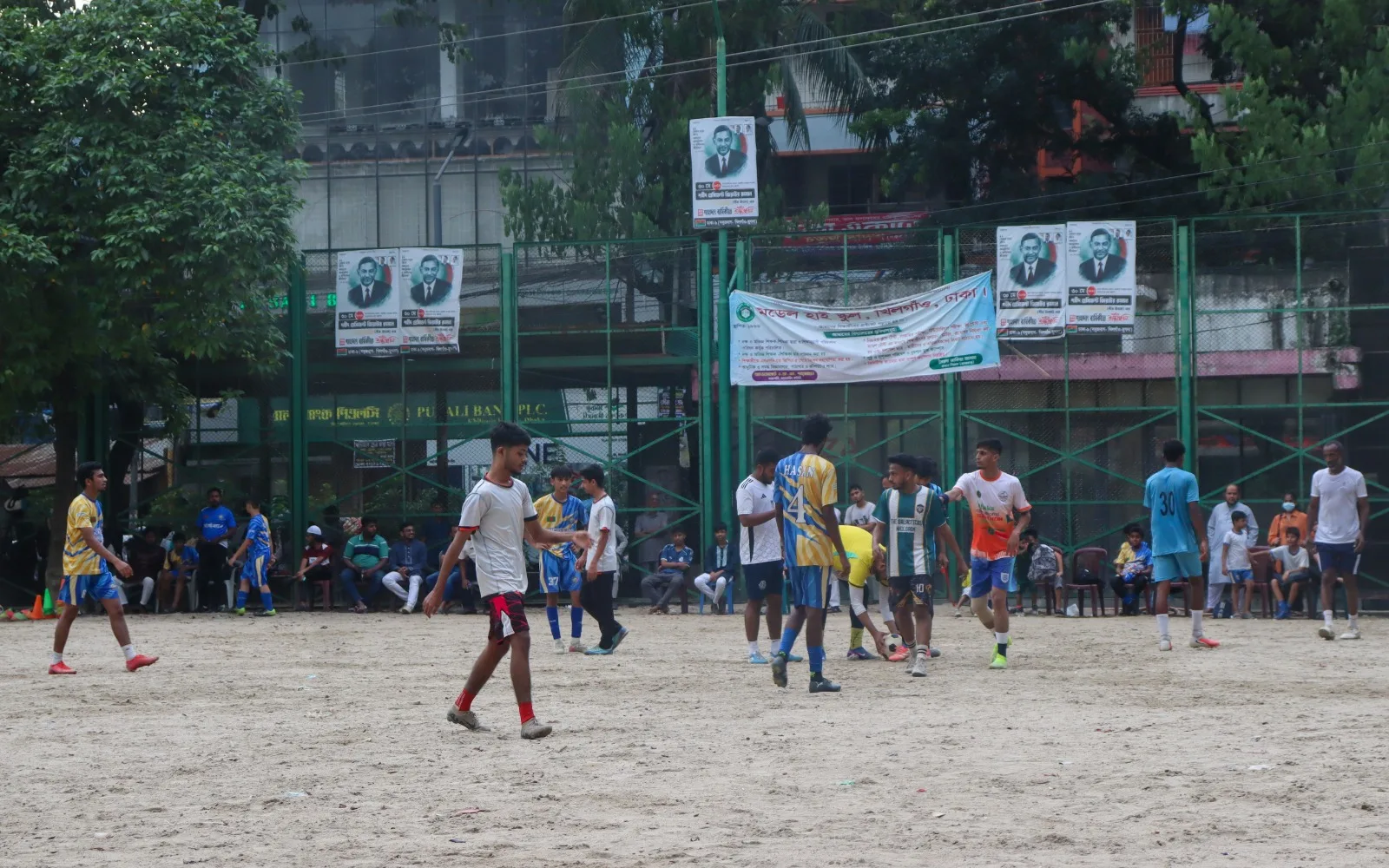
“Setting aside the problem of not enough parks and plazas with public access, even for the spaces that do exist, the majority of them aren’t designed with women’s safety in mind,” said Rabeya Rahman, Principal Architect and Researcher at Integrated Architecture and Development (IAD).
Setting aside the problem of not enough parks and plazas with public access, even for the spaces that do exist, the majority of them aren’t designed with women’s safety in mind.
“Let’s say a lady is sitting in the park and she notices some unwanted elements around her. Is the park designed so that if she calls for help, that help is close by? Are there multiple escape routes, or is there just the one walking track where her assailant can chase her down?”
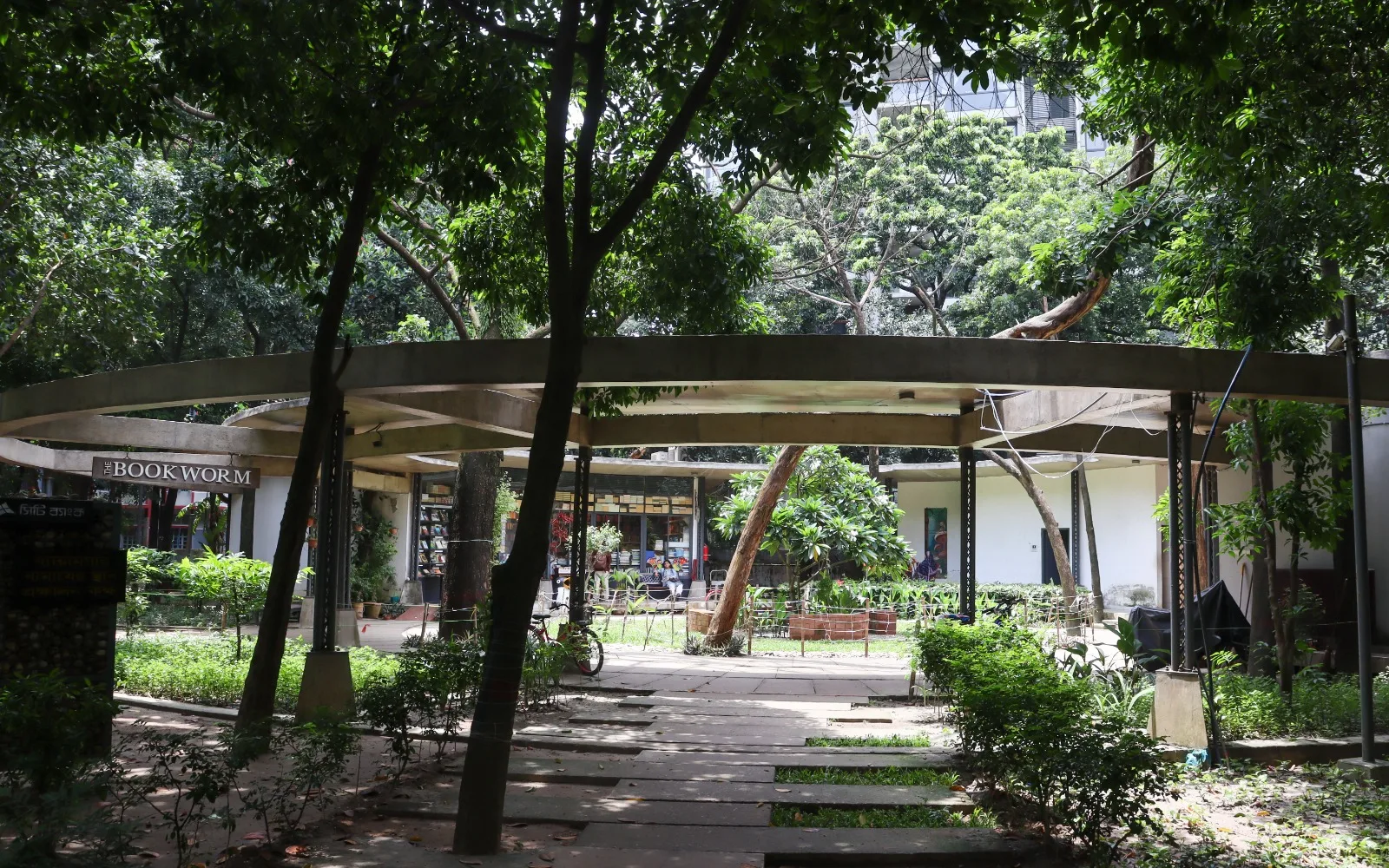
She points to Justice Shahabuddin Park as an example of what better design can look like. With a café on one end, a bookstore on the other, multiple tracks and security, the park offers people more than one reason to be there and more than one way to move through it.
“But it's a big city, with a huge population, and we don't have enough of these facilities,” she said.
Planners need to stop guessing and start asking the women
Stockholm, in Sweden, figured out the secret to gender-inclusive urban design years ago: stop guessing and start listening. Instead of handing down pre-made blueprints, planners walked the streets alongside local teenage girls, who mapped out every dark alley, harassment hotspot, and intimidating corner in real time. A planner sees a footpath; a woman sees a dark, isolated runway with no escape route. A planner sees a bus stop; a woman sees a high-risk zone where she has to endure predatory stares while waiting for a ride.
“We live in a patriarchal society, one that adheres to specific gender roles, and has a dim notion about women stepping outside of their homes,” said Rabeya Rahman. “It is a cultural mindset which translates into urban planning, and frequently, the lack of it.” In Dhaka, that mentality is written in concrete: non-existent pavements, pitch-black side streets, neglected parks, and a severe absence of clean public washrooms. Chennai, in India, showed how to fix it. By studying the daily commutes of 400 women, the city drafted an Inclusive Design Manual with actionable checklists for engineers. They recommended continuous sidewalks, well-lit bus shelters with clear sightlines, and public toilets equipped with sanitary bins and handbag hooks.
Chennai could have, like so many South Asian cities, left it as a one-off PR experiment, but instead, the city chose to build it into the system. It could be the difference between an idea and an actual city that works for all its residents.
What would a safe Dhaka actually look like?
When we asked women to picture a safe Dhaka, nobody asked for a utopian sci-fi fantasy. They just wanted wide, brightly lit footpaths and public buses that don't double as crowded combat zones. They wanted parks with shade and room to breathe, prompt police response, and a city where an evening walk doesn’t come with fear.
I would wear whatever I want, and nobody would stare at me like they want to eat me alive. I would go wherever I want, however I want, whenever I want without a second thought like men, even rapists and abusers, do.
One woman put it with brutal clarity: “I would wear whatever I want, and nobody would stare at me like they want to eat me alive. I would go wherever I want, however I want, whenever I want without a second thought like men, even rapists and abusers, do.”
That is the baseline. Ultimately, a safe city isn't built by rolling out token "pink buses" to hide women away. "Pink solutions" just sidestep the real issue.
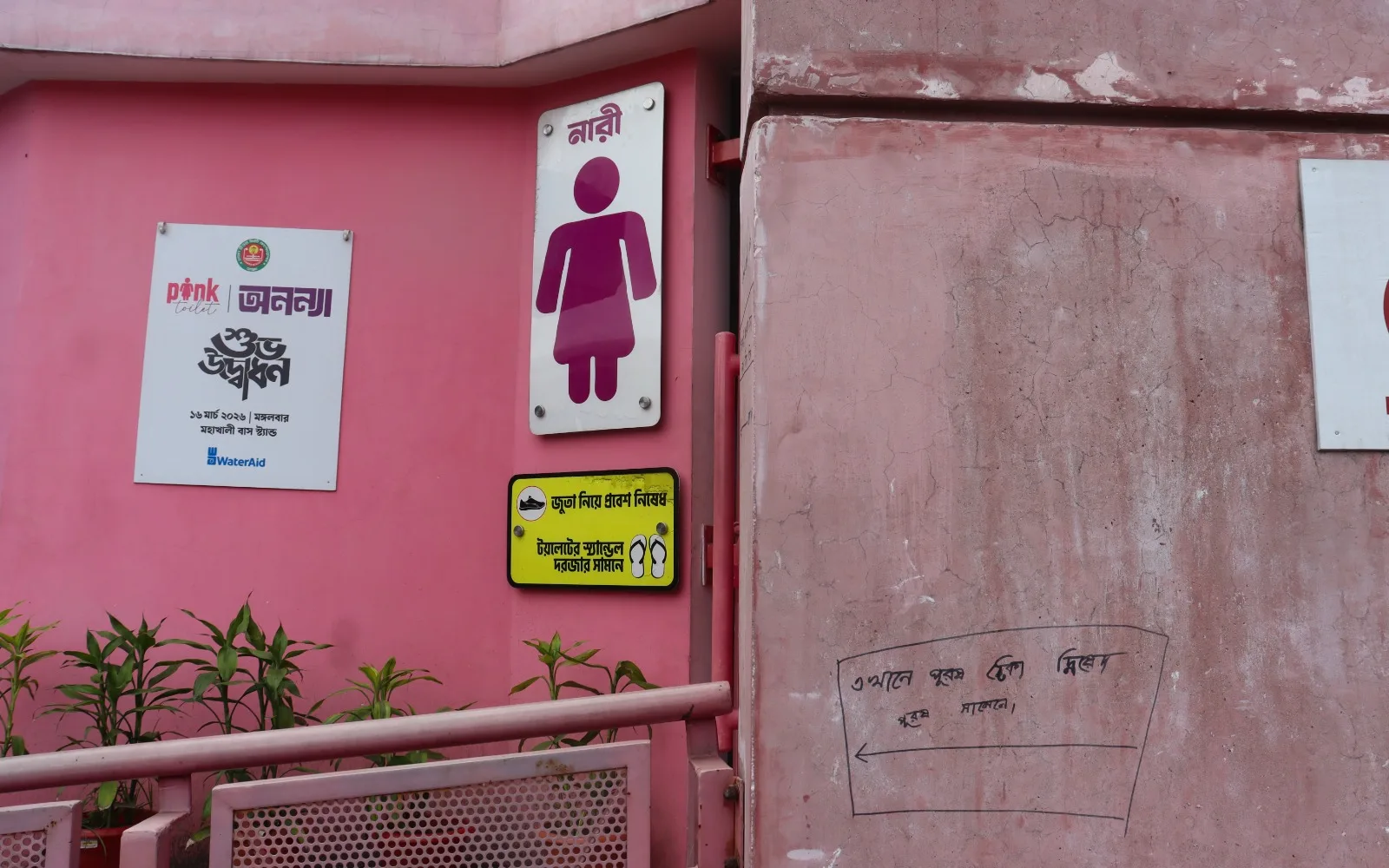
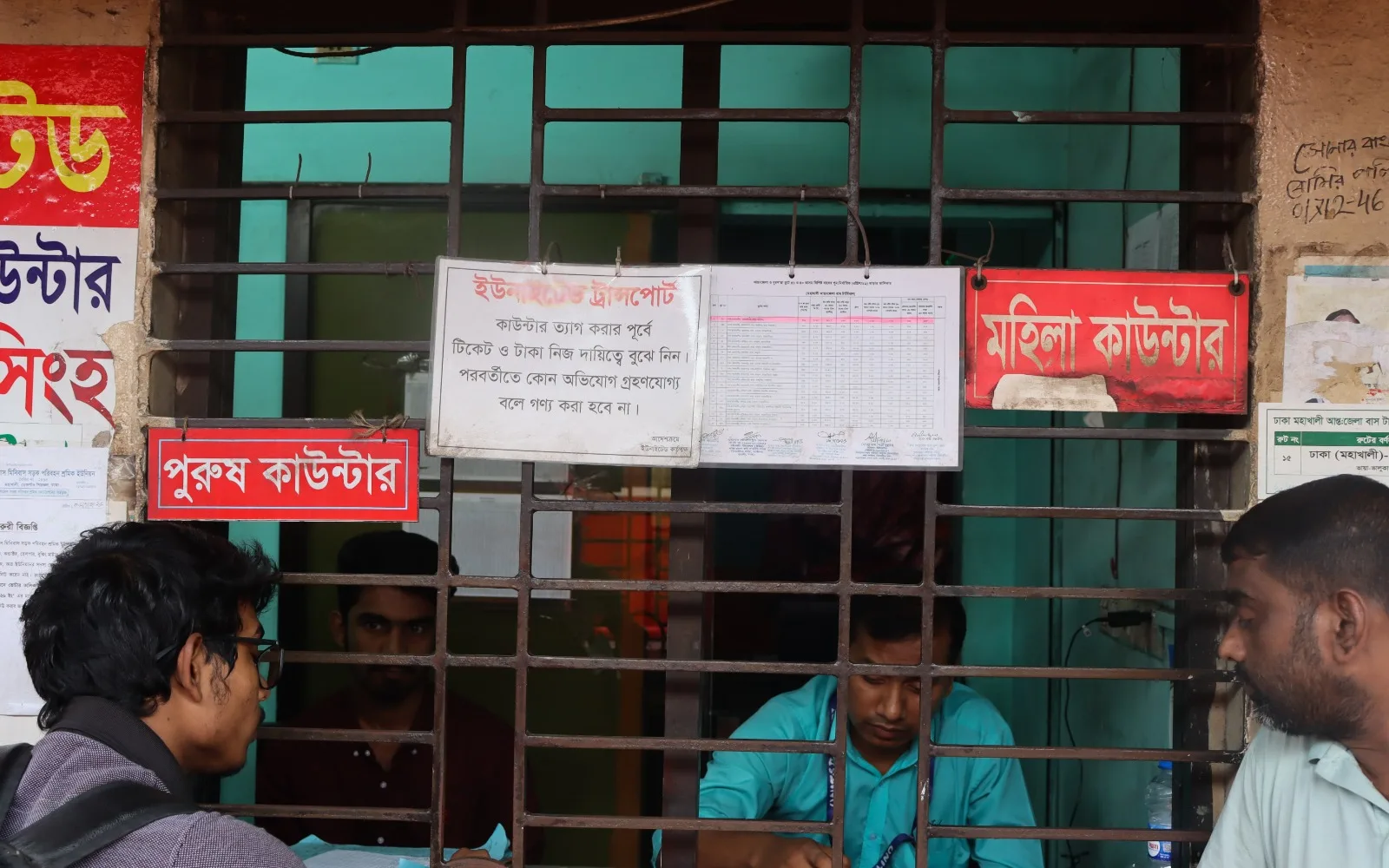
“Our transport system is a challenge for everyone, not just women,” said Rahman. “We need to streamline it, have clear bus routes, designated bus stops that are clean and comfortable, reliable ticket counters, yes, but we should also have the civic sense to use it properly.”
She also points to the complicated question of reserved seating.
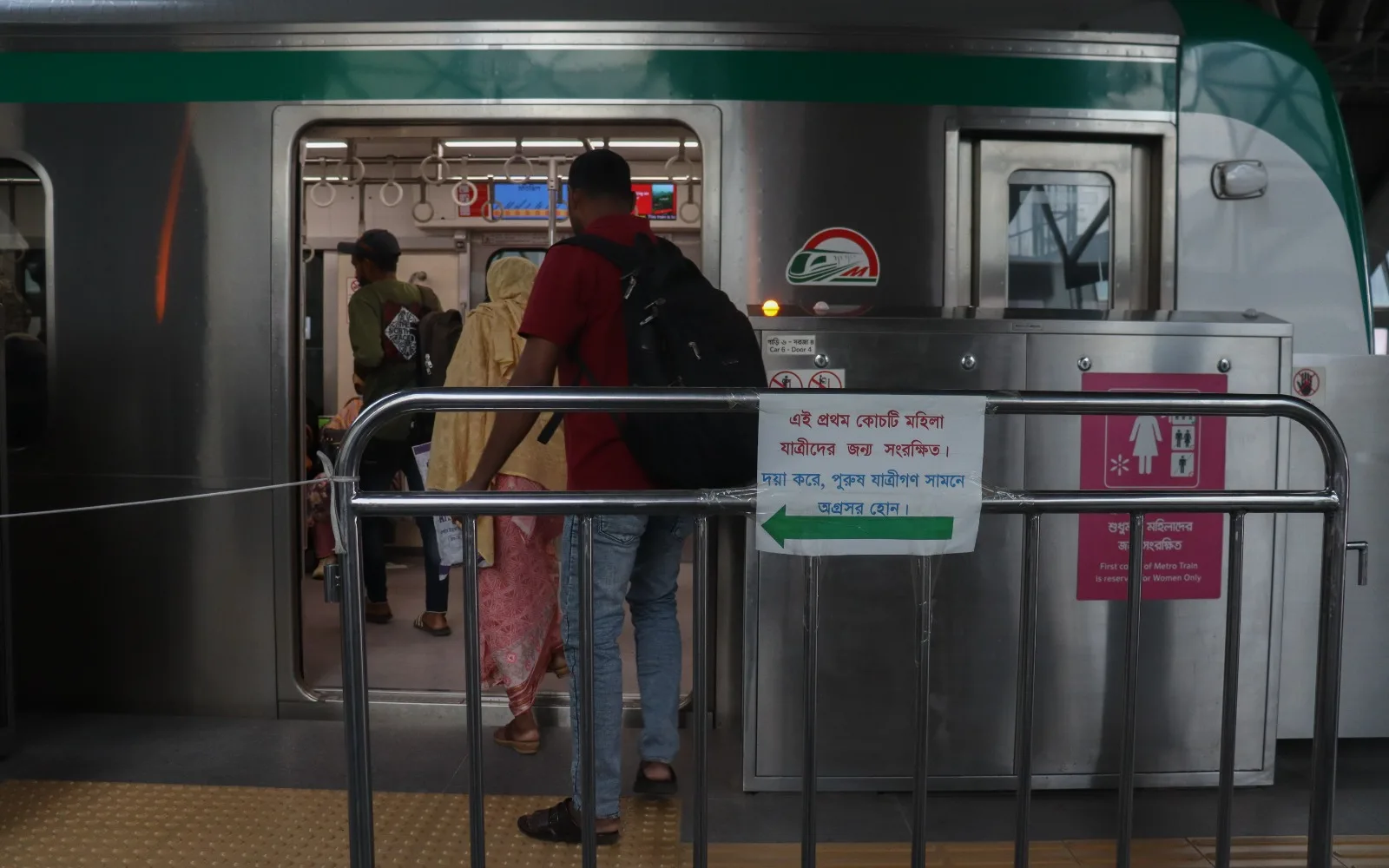
“In a crowded bus, who should get priority over the seats, an able-bodied woman, or an elderly man, or even a man with clear mobility issues? In a civil society, there would be no need to reserve seats for women. We need to take an integrated approach to the whole system.”
An integrated city doesn't treat women’s safety as an extra feature. It designs streetlights for the walk to the bus, builds parks that use natural crowds, visibility, multiple entries and exits as security, and creates transit that works for toddlers, grandfathers, and everyone in between.
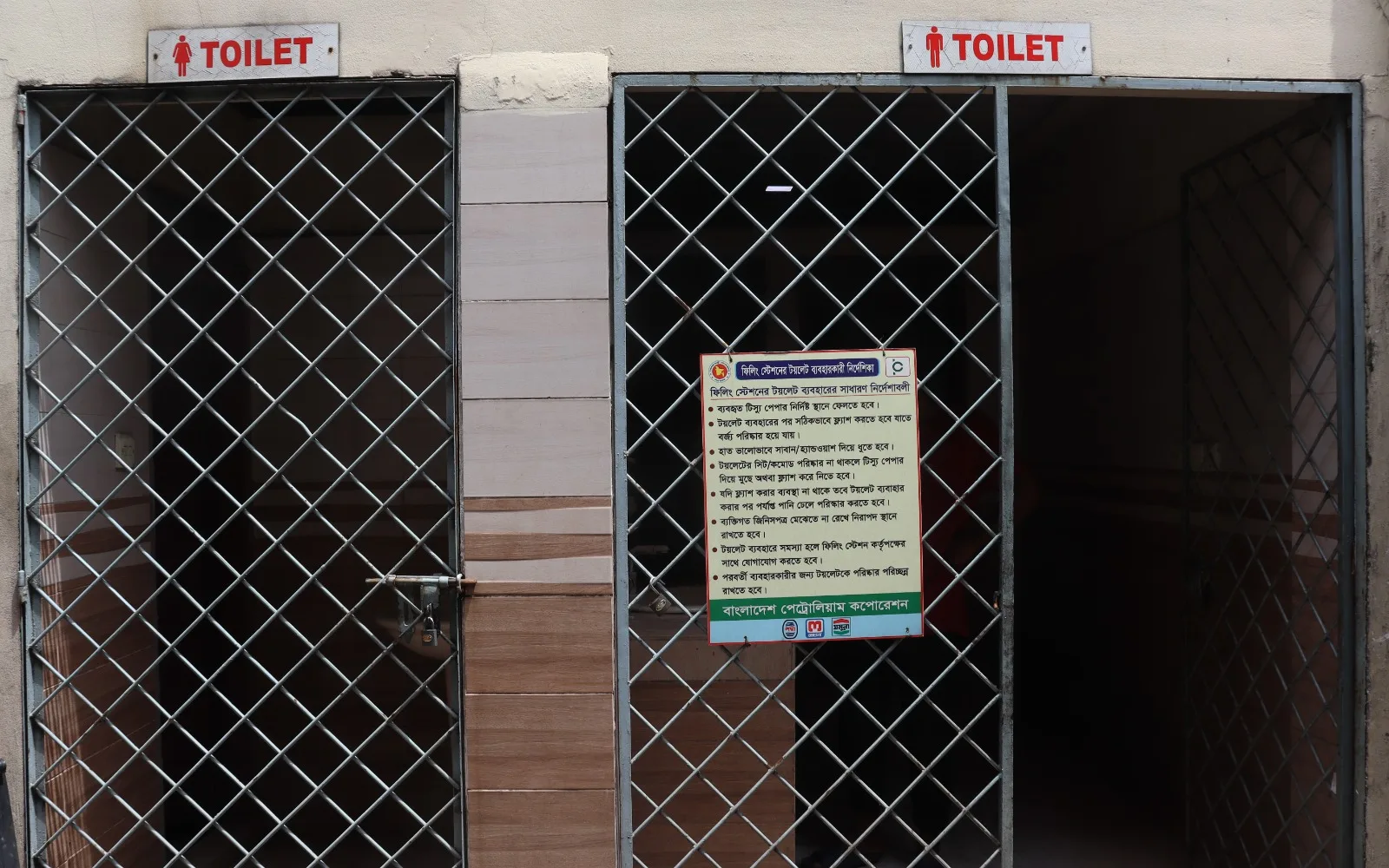
“There is no point in creating pockets of safe community spaces if getting there is hazardous. We have to rethink the system holistically, taking the social and environmental factors into consideration,” said Rahman.
Do we need fewer men on the streets?
Coming to our most dominant response when imagining a safer Dhaka: “fewer men.” It's a gut reaction born from being on the receiving end of the endless leering, stalking, and unwanted touches. And men can seem and act like enemies. But the real villain here isn’t the sheer volume of men; it’s their total, unchecked dominance.
So we need more women. More women walking, relaxing in parks, and claiming public space. But we can't just throw women into hostile spaces and hope for the best. We have to fix the baseline behaviour. Step one is much simpler and somehow much harder: teach people to stop acting like creeps.
“Ultimately, I think all roads eventually lead back to this issue in Bangladesh,” said Rahman. “We need to improve our education system to include a strong foundation in civic responsibility in the public. Unless we change our mindset, all these other changes will be purely cosmetic.”
A bright streetlamp won't magically grant a creep a conscience, and a shiny new bus stop can’t teach empathy. But a bad mindset doesn't excuse broken sidewalks either. Dhaka needs both: smart design that keeps spaces open and accountable, and a culture that treats women as humans.
Designing for women opens Dhaka up for everyone
Imagine a morning where Oyshi steps outside and… just walks. No tactics. No mental mapping.
Designing a city for women is about building a city that actually pays attention to the humans using it. Wide footpaths protect a woman walking home at dusk, but they also give space to a grandfather moving slowly, a parent with a stroller, or someone in a wheelchair. Bright streetlights don't just ward off creeps; they make the night readable for everyone. And a park with clear sightlines, shade, and plenty of benches isn't a "women's park." It’s just a great park.
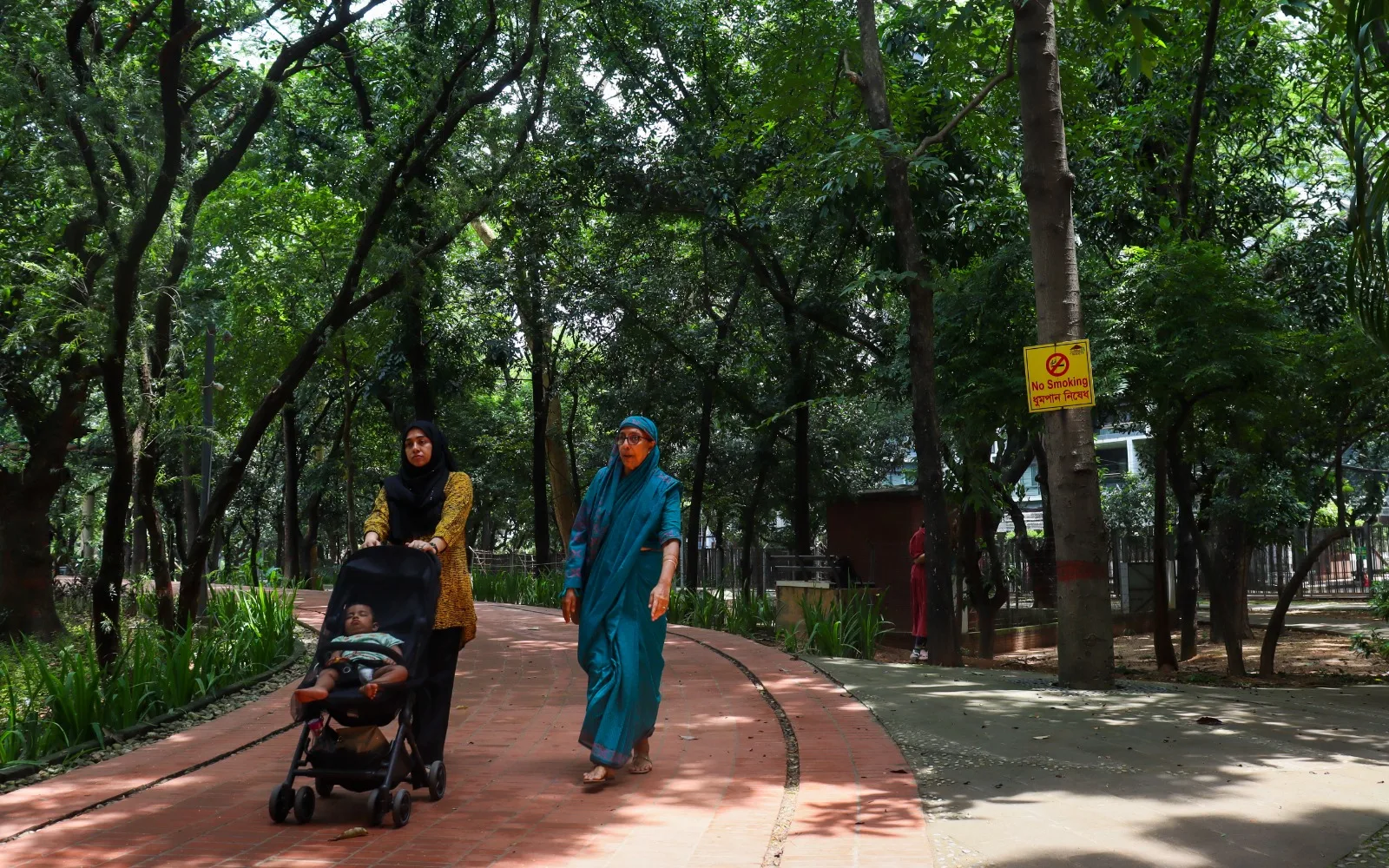
If women were actively included in urban planning, Rabeya Rahman said, "It would be a more vibrant, welcoming and inclusive place, not just for women, but for their children, and for the elderly as well, because all these features and adjustments we are dreaming of would benefit everyone.”
“It would be a city attuned to the everyday rhythms of all its residents, one that inspires a deep sense of connection and belonging.”
Designing for women’s safety doesn't slice the city up, it opens it up. What if Dhaka finally became a space where everyone, at every stage of life, actually belonged?
It would be a more vibrant, welcoming and inclusive place, not just for women, but for their children, and for the elderly as well, because all these features and adjustments we are dreaming of would benefit everyone.