In a Nutshell:
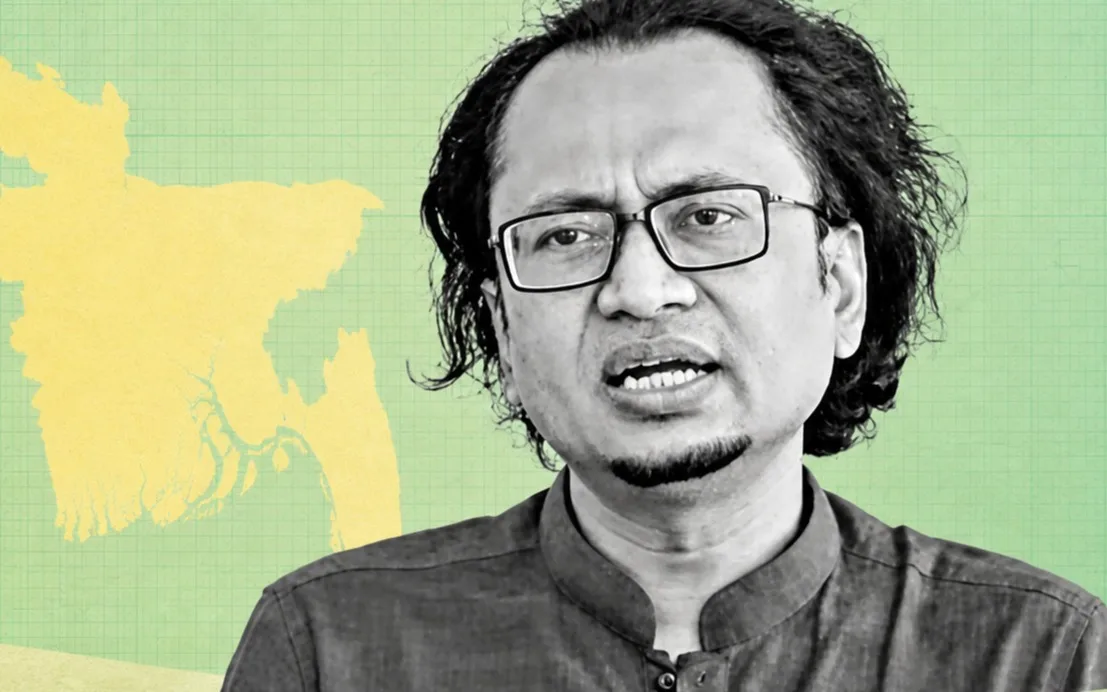
- On August 11, adviser Zahed Ur Rahman said India can no longer “operate freely” in Bangladesh.
- Zahed said India’s reaction to Hasina’s remarks proves Delhi helped keep her in power.
- He said India must take the first step, and ties need a full “realignment”.
- RAW chief Parag Jain visited Dhaka on August 9 with a four-member team, arriving from China.
- Zahed also stated that our security apparatus also visited India.
- He met Bangladesh’s home minister, defence adviser, and top police officials over two days .
Context
RAW has shaped Bangladesh’s politics for decades. It trained the Mukti Bahini in 1971, helping the country win independence. It allegedly helped unite rival leaders Hasina and Khaleda Zia against military rule in 1990. During Awami League’s 15-year rule, RAW reportedly held deep, unchecked access inside Bangladesh’s security agencies, and even influenced elections, according to multiple regional analysts.
Why it matters
This is not just about one visit. It shows deep distrust between Dhaka and Delhi after Hasina’s fall. Bangladesh says India treated it like a client state, not a partner. India denies overreach. The fight matters because it touches trade talks, the 2026 referendum, and Bangladesh’s tilt toward other powers like China.
What we think
Was this a diplomatic visit? Bangladesh is right to call out old habits. Fifteen years of alleged interference deserve scrutiny, not silence. But anger should not become total rupture. Cross-border crime and militancy still need intelligence cooperation. Dhaka should fix its own institutions first clean up DGFI and NSI channels, and protect elections from any foreign hand. Calling out RAW works if paired with real reform, not just rhetoric. Overplaying the anti-India card could also backfire, letting Delhi frame Bangladesh as unstable. The smart move is firm words, open channels, and quiet, steady work to close the old backdoors for good.