Fakhrul and the Presidency
While the nomination rewards Fakhrul's long-standing loyalty, observers note that elevating him to a ceremonial role risks neutralizing one of the party's most crucial voices for internal reform.
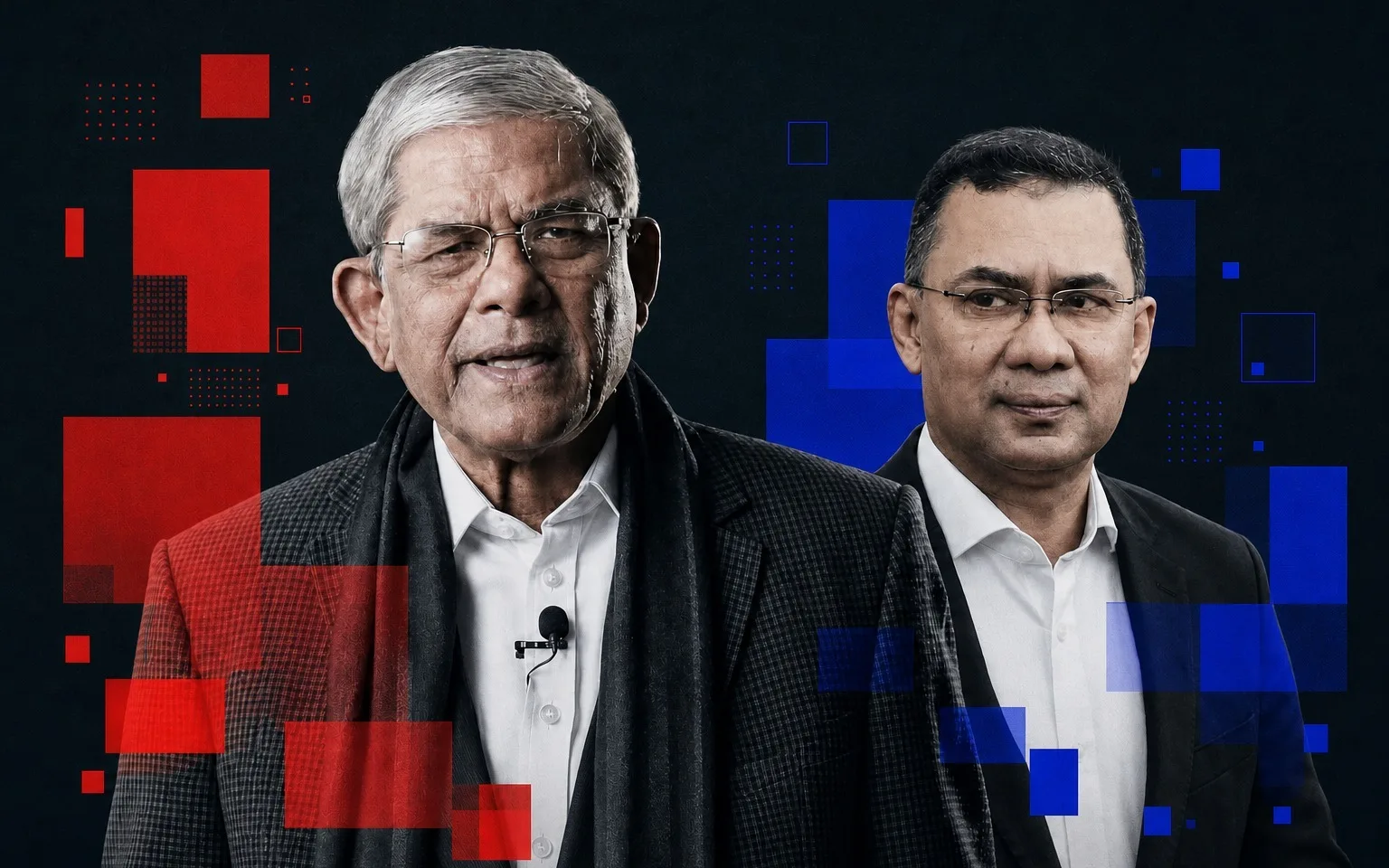
In a Nutshell:
- On August 9, Waadaa broke the news that multiple BNP sources confirmed Tarique Rahman had finalized Fakhrul’s nomination, and Fakhrul signed a consent statement for candidacy that Saturday.
- The party is expected to formally announce Fakhrul as its presidential candidate around August 12, ahead of the August 13 nomination-filing deadline.
- Bangladesh’s presidential election is scheduled for August 20, with parliamentary voting from 2pm–5pm if the race is contested.
- Jamaat-e-Islami has announced it will field Colonel (retd.) Oli Ahmed as a rival candidate, meaning Fakhrul, unlike past nominees, may not win uncontested.
- If elected, Fakhrul must vacate both his LGRD ministerial post and BNP secretary-general role, triggering simultaneous reshuffles in government and party leadership.
- After President Mohammed Shahabuddin’s resignation, BNP began internal deliberations in late July on a presidential nominee, with several names — including Mirza Fakhrul Islam Alamgir, Khondokar Mosharraf Hossain, Abdul Moeen Khan, and Speaker Hafiz Uddin Ahmed — floated.
- BNP’s National Standing Committee delegated the final nomination decision entirely to party Chairman and Prime Minister Tarique Rahman.
Why it matters
This isn’t just a routine handover — it’s a test of what kind of country Bangladesh wants to be after Hasina. Putting a trusted loyalist in the presidency while BNP already controls parliament and the government means almost nobody is left to say “wait, is this right?” from inside the system . And there’s a real irony here: Fakhrul spent years positioning himself as the guy fighting for reform and accountability. Kicking him upstairs into a ceremonial role, right when reform actually needs pushing from the inside, feels less like a promotion and more like quietly retiring him . Add to that the sudden wave of social buzz around his persona right before the announcement, and the whole thing starts looking less spontaneous than it was made to seem.
What we think
Honestly, the timing is what makes this uncomfortable. Handing the presidency to someone whose entire political identity is built on personal loyalty to Tarique Rahman doesn’t scream “new chapter” — it screams “same instincts, different names.” Fakhrul isn’t unqualified in the traditional sense; he’s experienced, well-liked across factions, and has a clean reputation . But qualified for street politics and party unity isn’t the same as being the right symbolic check on power during a fragile transition. The more interesting question isn’t really about Fakhrul at all — it’s about what this says about Tarique. Does he trust Fakhrul enough to hand him a post with real symbolic weight, or is this actually about neutralizing a strong secretary general by moving him somewhere he can’t challenge anyone anymore ? Fakhrul reportedly found out about his own nomination the same way the public did — through party sources, not directly, and publicly said Sunday night he “knew nothing” about becoming president even as insiders confirmed it was already decided . That’s not how you treat someone you deeply trust with your next big decision; that’s how you treat someone you’ve already decided for. The media hype is also a bit shady.