What is behind the latest France-Iran diplomatic dispute?
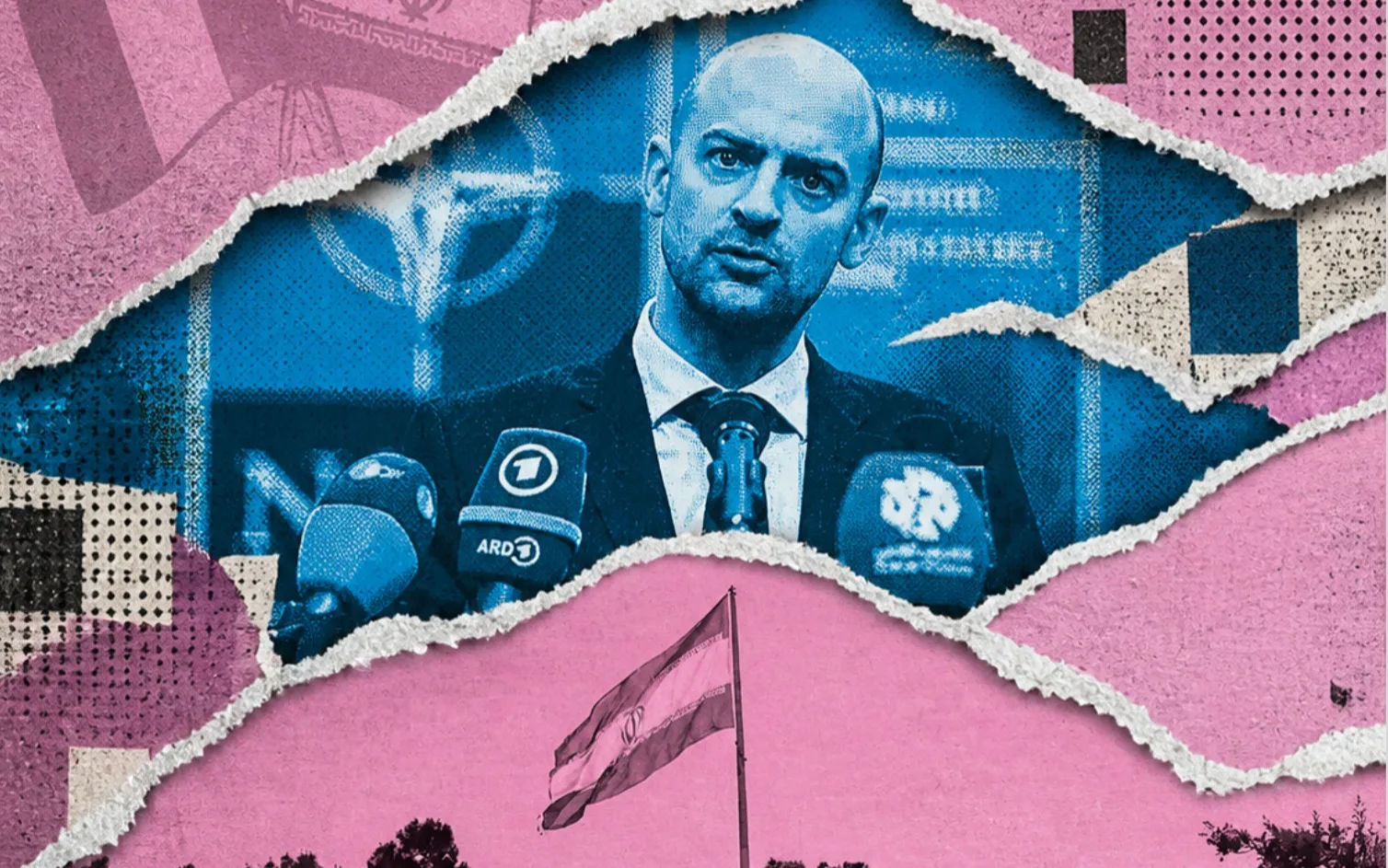
France's Foreign Minister Jean Noel Barrot has announced that two Iranian diplomats will be expelled in the coming days following Tehran's declaration of two French embassy staff as persona non grata. The move escalates a dispute that began with the French diplomats' detention in July and adds to already strained France-Iran relations.
In a Nutshell:
- On July 19, Iranian security forces detained two French embassy staff in Tehran during a meeting with Iranian graphic designers Aria Kasaei and Elly Naghilou over Villa Zadig, a cultural project; the two designers were also detained and remain in custody, according to their supporters.
- Iran later accused the French diplomats of foreign interference, saying its Intelligence Ministry found documents suggesting a wider influence operation, including some allegedly bearing the signature of France’s former ambassador to Tehran.
- France said the diplomats were detained and physically intimidated in violation of diplomatic immunity, while Iran said they were briefly questioned for interfering in Iran’s internal affairs.
- On August 18, Iran said the two French diplomats had been declared persona non grata and would not be allowed to return to Iran, citing alleged violations of the 1961 Vienna Convention on Diplomatic Relations.
- France’s Foreign Minister Jean Noël Barrot then announced that France would expel two Iranian diplomats in response to the treatment of its embassy staff.
- Iranian Parliament National Security Committee chairperson Ibrahim Azizi warned that France’s “hostile” response would backfire, citing the failed INSTEX effort to maintain trade with Iran after the US left the nuclear deal and France’s role in restoring UN sanctions on Iran in 2025.
- Rights groups say Iran has intensified its crackdown on civil society since January anti-government protests over economic hardship and political grievances, followed by the US Israeli war.
Context
France and Iran already have several longstanding disputes, with Iran's nuclear programme being a central tension in the diplomatic relationship. France is part of the E3, a foreign and security cooperation arrangement with the UK and Germany that was formed in 2003 after the US attack on Iraq with the first meeting being on the management of nuclear risks from Iran. In a 2015 nuclear deal, the E3 negotiated with Iran alongside the US, Russia and China to limit Tehran’s nuclear programme in exchange for sanctions relief. To this day, France continues to use the E3 to coordinate positions on Iran’s nuclear activities and has supported international pressure on Tehran. France is also a US ally and NATO member, and it frequently aligns with Washington, London and Berlin over nuclear proliferation, sanctions and regional security. The latest move from Tehran on barring two French embassy staff is also not without precedent. Relations between the two countries have been deteriorating due to Iran’s detention of French nationals, which France has described as hostage taking, and over Iran’s repression of protesters and civil society. Earlier this month, France joined more than 30 countries condemning Iran’s executions of protesters.
Why it matters
Iran says its Intelligence Ministry found the two French diplomats at a meeting connected to a national security investigation and later found documents pointing to what it described as a wider plan to build influence and conduct foreign interference in Iran. The ministry also said some documents carried the signature of France's former ambassador to Tehran. France has rejected the allegations as fabricated and says the diplomats were detained and physically intimidated by Iranian security forces. Tehran has also invoked the Vienna Convention, saying the diplomats' activities supporting Iranian civil society violated its rules. Article 41 does require diplomats to respect the laws of the host country and not interfere in its internal affairs, but the Convention also grants diplomats immunity from arrest or detention. Whether the French diplomats' activities amounted to prohibited interference therefore remains a disputed question, rather than something established simply by Iran citing the Convention. The arrests of Iranian designers Aria Kasaei and Elly Naghilou are also another factor that show Iran’s aggressive crackdown on alleged conspiracies. Their supporters say that they too were detained during the same meeting with the French diplomats and remain in custody. So, it remains unclear whether Tehran is actually treating this as a national security threat or is simply censoring all engagement with French cultural and civil societies.
What we think
Iran's warning that France's approach will backfire, after Paris announced the expulsion of two Iranian diplomats, shows that Tehran is treating the dispute as part of a wider disagreement over France's conduct towards Iran. The key issue now is whether the dispute remains confined to diplomatic expulsions. The treatment of the two detained designers and any further restrictions on French diplomatic or cultural activity will give a clearer indication of whether this episode remains a specific disagreement over diplomatic conduct or starts affecting the wider working relationship between Paris and Tehran.