What if gynaecologists actually took women seriously?
- From “get married” to “lose weight”, women are too often given social advice instead of medical solutions - The fourth installment of a Nutshell Today series called “What if”
I was waiting outside the doctor’s chamber during Covid-19, holding test reports that had cost around 10k. It had been some time before the doctor finally called me in. Another patient was already in her office as she glanced over my results, leaving me standing awkwardly by the door.
“It’s normal. Just come back if it happens again.”
That was it. My pain or even my money didn’t warrant more of an explanation.
Over the next three years, my periods were erratic: sometimes late, and sometimes lasting way longer than they should have. But the fear of spending thousands of taka just to be brushed off with an "it’s normal" kept me suffering through the heavy bleeding and severe cramps.
Eventually, I caved, and after an ultrasound detected cysts on my ovaries, I finally got to know I had PCOS. Now, PCOS does not happen overnight. It typically starts around puberty. So was it really not there three years earlier? While my ultrasounds at that time didn’t show anything unusual in my ovaries, I did have a lot of the other symptoms: irregular menstrual periods, excess hair growth, acne, and let’s not forget, anxiety. Symptoms that I didn’t realise were relevant, and I didn’t even get to discuss with my doctor because she never asked.
This is why the 2026 name change from PCOS to PMOS was a big deal to women like me. PMOS, polyendocrine metabolic ovarian syndrome, finally acknowledges that it is an endocrine and metabolic disorder that can affect the body beyond the ovaries.
PMOS, polyendocrine metabolic ovarian syndrome, finally acknowledges that it is an endocrine and metabolic disorder that can affect the body beyond the ovaries.
But how much does a name change really mean if doctors don’t put it into practice? Because 87.5% of women who took a detailed Nutshell Today survey that we ran over the past month felt that a gynaecologist did not take their symptoms seriously. But... what if gynaecologists took women more seriously?
Women may actually feel heard
Thanks to society, most women can’t help but feel ashamed to talk about their struggles. If gynacs showed empathy and asked the right questions, women may actually feel more encouraged to share their problems more openly, which is the first step to better detection. That will ensure that appropriate treatment can follow. Doctors would recognise that women don't all present conditions the same way, and treatment would become more individualised.
The ripple effect on a woman’s life would be massive because physical health is tied to mental well-being and productivity. If symptoms were being taken more seriously by healthcare professionals, a 24-year-old endometriosis patient said, “My life would be more productive and pain-free. I could have lived my life stress-free, pain-free. I'd not have to skip one week every month of my classes. I wouldn’t have to stress about my period being on my exam. Mostly, I wouldn't have to worry about a job or my career (because no job will give me a break of one week every month). I could be just a functioning normal person in a normal world.”

If gynacs actually took women seriously, we would not lose complete faith in healthcare. 87% of our survey respondents avoided going back to a doctor because of a previous negative experience with a gynaecologist. If we didn’t feel dismissed, we wouldn’t feel tempted to avoid symptoms, no matter how painful or irrelevant they feel. We wouldn’t need to be our own doctors.
“I would have felt more positive and encouraged about going to a gynaecologist. But my experience does not give me enough courage to go again,” said a 27-year-old banker with vaginal/vulvar symptoms.
Most importantly, if gynacs actually listened to women, we would have a better understanding of how our bodies work. “I would have known my body better instead of being a stranger to it,” said a 23-year-old student with PCOS.
Instead..
Even the most reputed gynecologists tend to have a pretty narrow-minded approach with their patients. One of our survey respondents, who visited a supposed gold medalist gynecologist in Chittagong, was asked if she was married despite being 16-17. When she explained her missed periods, blood loss, and depression, the gynecologist simply laughed and emphasised on her being dramatic and overreacting.
“She told me that I'm obese, so I must have PCOS, but didn't assign me a proper test for it. Just because there weren't any cysts, she later told me that my pain is normal and nothing to worry about. I sobbed all the way home.”
Another survey respondent, when she was 14, visited a doctor she called “was supposed to be the best in the game” with a urinary tract infection. The doctor pulled her mother aside and said, “Unmarried girls do not get these infections. You might want to be careful.”
While sexual activity can trigger a UTI, urinary infections are not sexually transmitted diseases, and to imply as such for teens can have drastic consequences. It drives young girls away from seeking healthcare out of fear of being shamed.
The same doctor also dismissed her concerns about breast lumps, which, 6 years later, turned out to be giant fibroadenomas. “The weight of the tumors was so disproportionate to my stature that it caused permanent damage to my spine, and I still suffer from chronic back pain.”
That kind of disparity is a form of medical gaslighting, where women’s pain is more readily minimised, questioned, or attributed to something less serious.
One study found that women arriving at the ER with severe stomach pain waited nearly 33% longer than men with the same symptoms. That kind of disparity is a form of medical gaslighting, where women’s pain is more readily minimised, questioned, or attributed to something less serious.
The default prescriptions
“Get married” is the go-to solution of many gynaecologists. Staying unmarried after a certain age in Bangladesh brands a woman as a “spinster”. It’s something women have to hear all the time, but to hear it at a vulnerable, intimate time in the doctor’s chamber has also become the norm.
What is even more appalling is that very young women are also asked if they are married or being advised to marry soon by educated doctors, especially in a region where child marriage and coerced marriage are still prevalent. According to UNFPA Bangladesh, 47% of girls in Bangladesh are married before their 18th birthday, giving the country the highest rate of child marriage in South Asia.
One of our survey respondents said, “The doctor’s first question was, ‘Are you married?’ I was only 13 or 14 years old at the time. Instead of addressing my concerns about my menstrual health, the conversation was reduced to marriage and future pregnancy.”
What exactly about marriage solves period pain or other reproductive health conditions? An active sex life or reaching orgasm can help relieve cramps by releasing feel-good chemicals like endorphins, dopamine, and oxytocin. But why is the question "are you married?" instead of "are you sexually active?"
Pushing young women toward marriage or motherhood before they are ready is not the answer, especially in a country like Bangladesh, where marital rape is not criminalised, and women's sexual autonomy is rarely even acknowledged. According to the Bangladesh Bureau of Statistics (BBS), 27% of ever-married women in Bangladesh claimed to have been forced into non-consensual sexual intercourse by their husbands.
Another prevalent solution is “lose weight”. A healthy lifestyle is nonetheless essential for conditions like PMOS. But thanks to certain beauty standards, the advice to lose weight comes with very superficial judgement as well.
One patient with vaginal discomfort said, “She told me I am overweight and because I'm not married till now, that's why I am having these issues. Then she told me that my marriage proposals will be rejected because of my obesity.”
A gynecologist’s first and foremost, and perhaps only, concern and priority should be their patient’s physical and mental health. It should not be about how weight affects their candidacy in the marriage market. And losing weight, while often helpful, means nothing if the doctor doesn’t guide you through what lifestyle choices you actually have to make.
The dismissal and the disrespect
Gynacs don’t shy away from shaming women and young girls. One of our survey respondents, when she was 11-years-old, told her gynaecologist about white discharge, and she replied, “Ew, who even gets that at this young age? You must be really unclean. That's why you got it”
Young women do not need to be humiliated, and they should not be given wrong information either. Clear, white, or creamy vaginal discharge at age 11 is completely normal and often a sign that puberty is starting. It does not have much to do with hygiene. And even if it does, there has to be a better way to approach it than “eww”.
78.3% of our survey respondents have been told that their symptoms were simply part of being a woman, menstruating, getting older, having children. Gynacs often insist it’s normal and that women must learn to endure it. Society constantly expects women to quietly suffer, all while labeling them as overly emotional or dramatic, a bias that follows them straight into the doctor's office.
One of our survey respondents who struggles with painful periods and endometriosis was told, “You are just being too emotional. A woman can't afford to be so overly sensitive. If you act like this after marriage, you won't even find a place for yourself in your in-laws' home.” Should a gynaecologist’s concern be about how the patient’s married life would fare?
Society constantly expects women to quietly suffer, all while labeling them as overly emotional or dramatic, a bias that follows them straight into the doctor's office.
Our societal stereotypes are dictating gynacs’ approach
A lot of the things women hear in the clinic are already something they have been hearing their whole life. Get married, lose weight, have a baby, do not be so dramatic. This goes on to show that many gynacs’ approach stems from their societal beliefs rather than their medical knowledge.
When young kids are taught about reproductive health in middle school biology, teachers do not discuss the topic openly, and it just becomes laughs and giggles for the students. Virginity is considered a virtue, and ideas about virginity do influence how doctors are willing to discuss, examine, or recommend.
Patients deserve the information they need to make decisions about their own reproductive health, rather than advice or judgement that reinforce the idea that a woman’s primary responsibility is to become a wife and a mother. But gender bias is so baked into our “medical treatment” that it becomes tricky for a young, ordinary woman to understand where diagnosis ends, and the prejudice begins.
The clinical impulse to dismiss female pain has a history. When women experienced severe sexual pain, Freudian psychoanalysts claimed the patient was just suffering from "penis envy." Because the only logical explanation for a woman hurting is that she secretly wants male genitalia. Why do actual medical research when you can just blame it on “hysteria”?
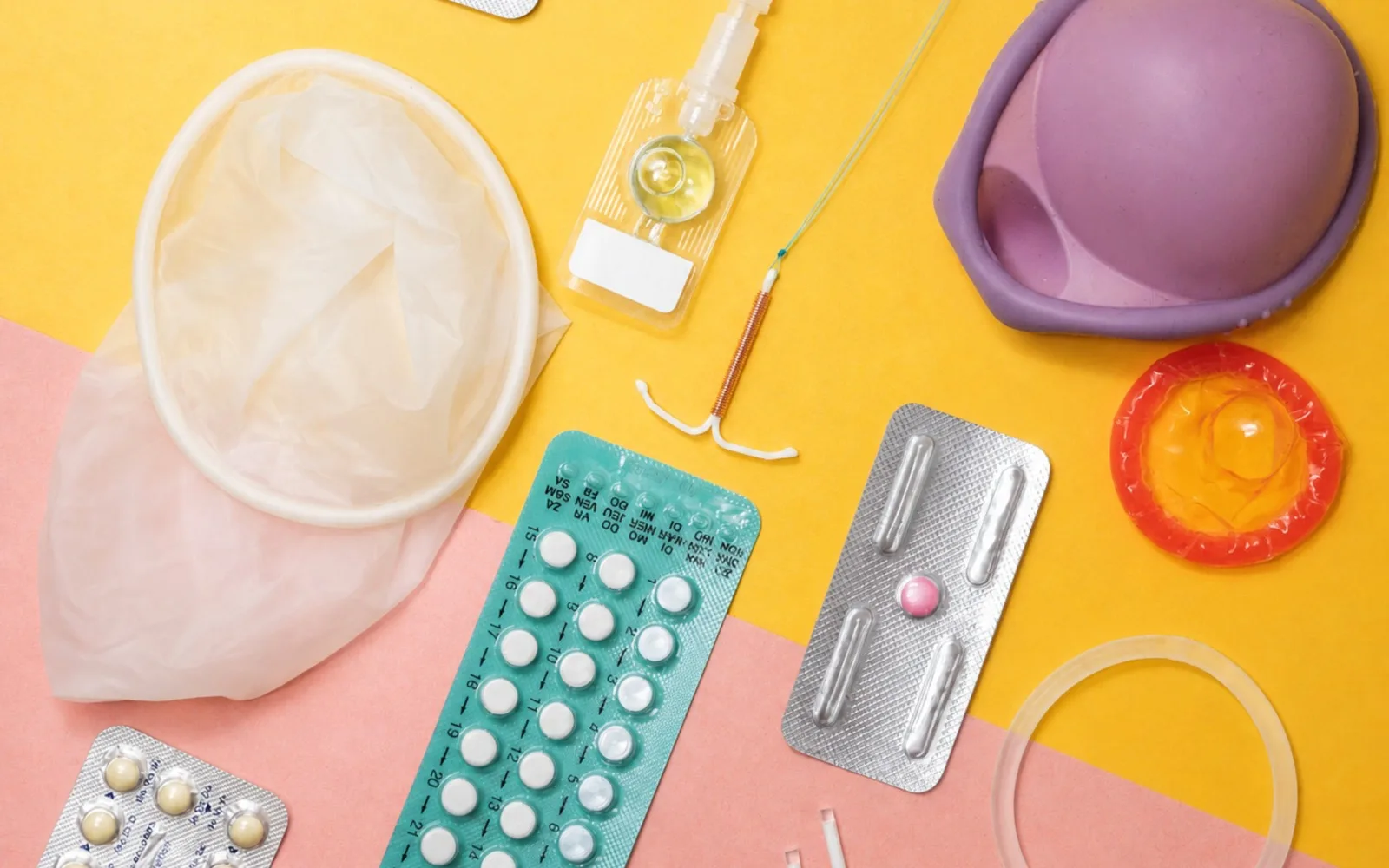
Today, research on women’s health is still underfunded. And that is why even the solutions that do exist are mostly “one-size-fits-all”. It’s easy to prescribe hormonal contraceptives to regulate bleeding. But if the same prescription is repeatedly given without understanding why the periods are irregular in the first places reeks of lazy treatment.
If any medicine is prescribed, the doctor does not usually offer an explanation of what it is for, or care to explain the side effects of the prescribed pills. “I wish my gynaecologist explained the usage of prescribed birth control to regulate periods and how it permanently messes with your hormones.”
Reproductive health is already surrounded by misinformation, embarrassment, and silence. Doctors should be among the people helping to break that silence.
Reproductive health is already surrounded by misinformation, embarrassment, and silence. Doctors should be among the people helping to break that silence. That means openly talking about it without assuming that every woman wants the same things, cannot be sexually active if unmarried, is married, or wants children immediately.
What does medical training need more?
Growing up watching Munna Bhai MBBS, I got an idea of how doctors are expected to work. Cold, clinical, and emotionally detached, which definitely makes sense to an extent. Meanwhile, Health Minister Sardar Md Sakhawat Husain recently revealed that Bangladesh faces a shortage of 88,909 doctors to meet the WHO threshold of 0.5 per 1,000 residents. Therefore, the doctors we do have must deal with an exhausting number of patients, making constructive communication and empathy a luxury rather than the bare minimum.
“Communication and listening habits [of doctors] don't develop because of two things. One is that there is a lot of academic pressure to always finish the work and take exams, and it's like a cycle. It's not just in undergraduate life, but it's also in postgraduate life. And obviously, the factor of overpopulation. So you practically cannot give a patient as much time as you need to. I think it would be more helpful if they were trained in communication and listening more effectively,” said Dr. Tajkia Mostafa Khadem, Intern Doctor, Chittagong Medical College & Hospital.
Coming from a liberal arts background, I’ve endured my fair share of side-eye from science majors who think our degrees are useless. But if you read through our survey results, half the problems in the healthcare system boil down to a staggering lack of basic human empathy, and this is where the humanities could come in handy.
In most science programs, social science courses are optional extras. But if they become a part of the regular curriculum, future doctors would understand how social bias works and how not to let those biases affect their consultation. A gynecologist might link an unmarried woman’s sex life to her "moral character," assume every woman’s life goal is to have kids, or dismiss crippling period pain with a breezy, "Oh, that’s normal." But you know what humanities does? It challenges our assumptions. Literature, history, philosophy, and gender studies expose us to perspectives outside our privileged bubble.
Some of our respondents talked about their positive experience: “My gynac and their team were extremely proficient and listened to all my queries and took excellent care during my pregnancy and after childbirth care. It's hard to come by such a genuinely talented gynecologist who isn't dismissive of your symptoms or issues that you face. They listened carefully and addressed all concerns.”
These go on to show that communication helps, listening helps, taking time with your patients helps, way more than medical professionals probably realise.
“A good consultation looks like when you listen to the patient. When you allow the patient to speak and you listen to the patient carefully, it can give you a basic idea of what the problem might be, even if it's just 5 minutes,” said Dr. Tajkia Mostafa Khadem.
At University College London, medical students were given lessons on poetry, creative writing, and opera alongside their clinical rotations. In a study of 42 students, those who got the humanities crash course scored significantly higher on three empathy scales compared to the control group.
Our doctors must be taught to ask better follow-up questions, explain tests without being patronising, and realise that their own biases might be clouding their clinical judgment. The dismissal women face is a symptom of a much larger, systemic infection. But... what if gender bias didn’t exist?