India Rejects Reports of Xi Jinping, Cyril Ramaphosa Falling Ill After BRICS Summit
India's foreign ministry has dismissed as "fake" and "malicious" the widespread claims that Xi Jinping and Cyril Ramaphosa fell seriously ill after the BRICS Summit, even as Ramaphosa's own office confirms he is genuinely resting on medical advice.
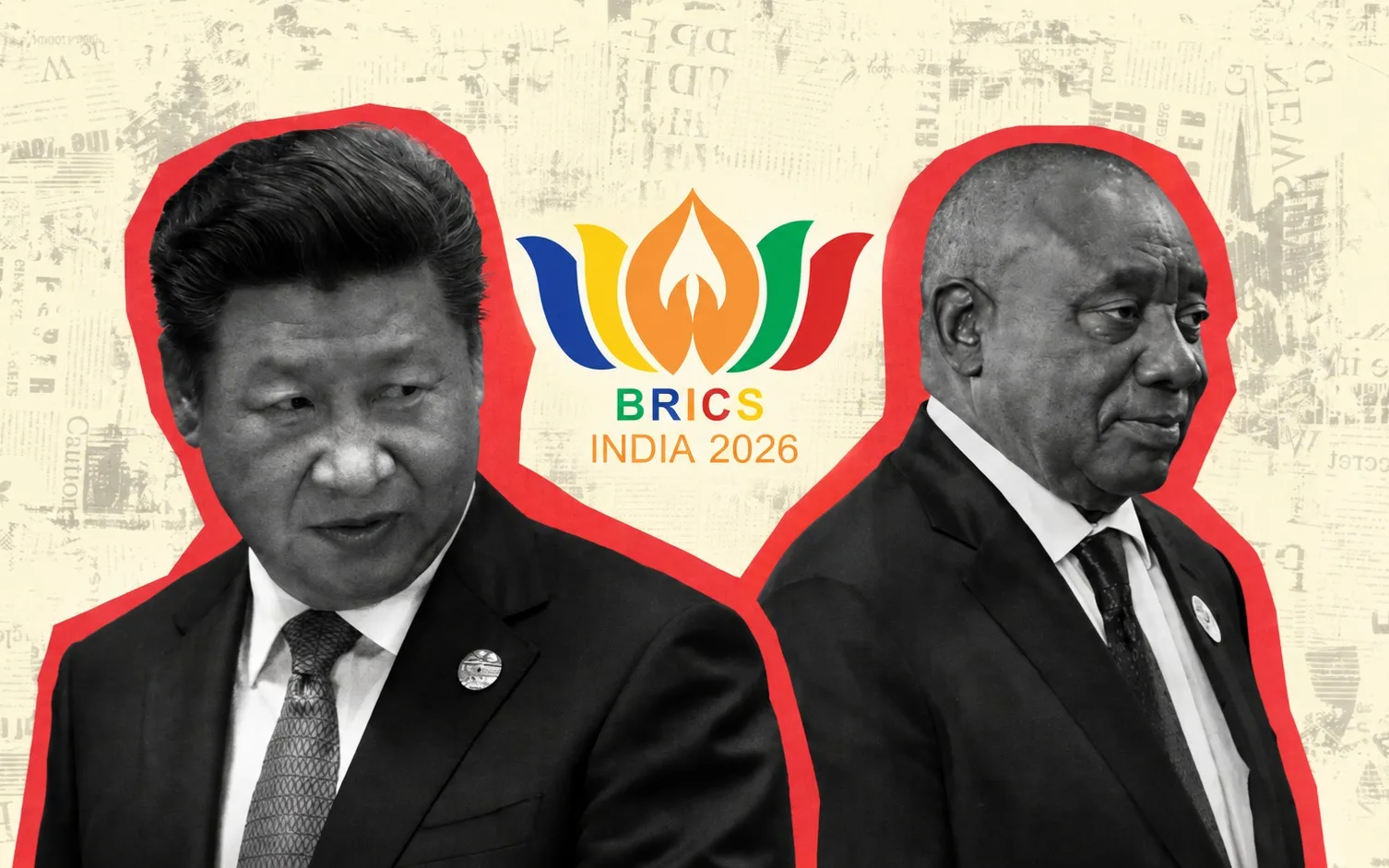
In a Nutshell
- India's Ministry of External Affairs fact-checking unit posted on X, calling reports of BRICS leaders falling ill "Fake Alert!!!" and warning against "malicious" social media posts.
- South Africa's Presidency confirmed doctors advised 73-year-old President Cyril Ramaphosa to rest and recover after returning from the summit on Monday, September 14, and has asked ministers to represent him at scheduled public engagements while he recovers.
- Unverified social media reports claimed Xi Jinping left the summit early for medical reasons and returned to China on a special flight, with speculation intensifying after he skipped a leaders' dinner.
- Chinese officials have not confirmed or denied the health rumours; state media only confirmed Xi completed his summit schedule and flew home with senior officials, including foreign minister Wang Yi, as previously scheduled.
- People familiar with the summit's arrangements said Xi's dinner absence was unrelated to any medical emergency, and no evidence was provided to support the illness claims.
Context
The 18th BRICS Summit was held in New Delhi on September 12-13, 2026, with Xi Jinping attending alongside Russian president Vladimir Putin and Iranian president Masoud Pezeshkian. Health rumours began circulating online afterwards, gaining traction when Ramaphosa's office confirmed his withdrawal from public duties, which lent unwarranted credibility to separate, unverified claims about Xi. India's MEA stepped in to caution against linking multiple leaders' health to the summit without evidence.
Why It Matters
This shows how one confirmed fact, Ramaphosa resting on medical advice, got mixed with an unproven claim about Xi's illness, creating a bigger and scarier story that spread widely online.
India had to act fast because letting fake news about leaders collapsing spread after hosting a big summit could embarrass the event. For China, health rumours about Xi are especially sensitive, since Beijing rarely shares details about its leaders' health.
Such rumours right after a major summit can also strain diplomatic ties at a sensitive time. If left unaddressed, health speculation about leaders like Xi can be read by other governments as a sign of instability, potentially affecting trust and planned engagements, such as Xi's reported upcoming visit to the US.
India's quick denial helps prevent the rumours from becoming a diplomatic flashpoint that could overshadow the summit's actual outcomes, such as the New Delhi Declaration 2026, or strain India-China relations at a time when both sides were signalling improved ties.
What We Think
This is a simple lesson on checking facts before sharing health rumours about leaders, since one true story (Ramaphosa) made a fake one (Xi) seem believable too.
While India’s Ministry of External Affairs (MEA) quickly debunked the rumour, the verification was handled internally rather than by an independent body. A government-run unit declaring a story "fake" inherently carries less institutional credibility than an internationally recognised, third-party fact-checker, especially given India’s recent regulatory track record on digital media.