Jharkhand Cancels a Decade of Exams
Jharkhand's government scrapped its flagship CGL exam and cancelled every test run by a scandal-hit private company since 2014, ending a 24-day student protest. But with a CBI probe still denied, protest leaders say this fight isn't over.
In a Nutshell:
- On August 17, Jharkhand's Chief Minister Hemant Soren announced the JSSC CGL exam would be cancelled, along with every recruitment test run by a private firm called TSR Data Processing Pvt Ltd (TDPL) since 2014.
- This means all exams, results, and job selections handled by TDPL over the past ten years are now void, not just the CGL test.
- The government ordered a CID investigation into "all errors, big or small" in these exams, and set up a reform committee led by officer Amitabh Kaushal to fix the system going forward.
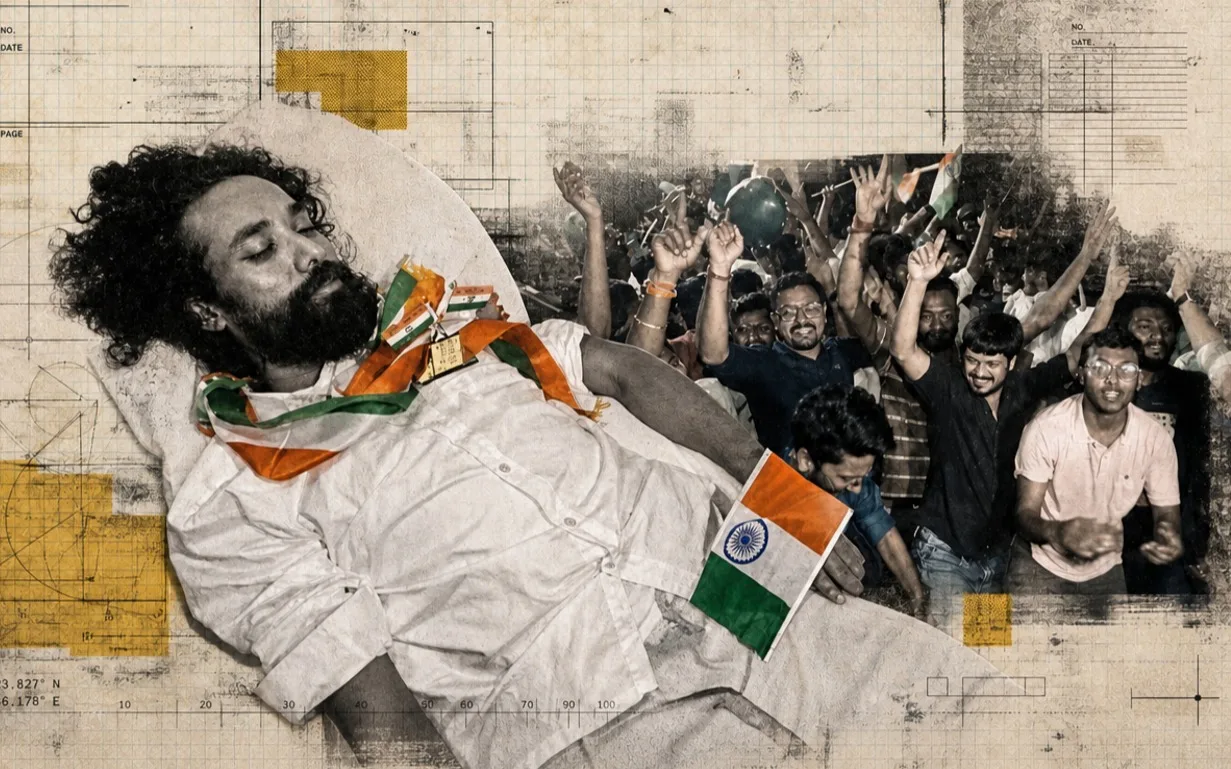
- Activist Devendra Nath Mahto, who had gone on hunger strike, ended his fast the same day the cancellation was announced.
- Protest leader Ravindra Paswan said the agitation will continue because students still want a CBI probe, not just a state-level CID investigation.
Context
Students in Jharkhand had been protesting for almost a month over allegations of cheating and paper leaks in government job exams. The government first cancelled one exam on August 9 but refused to scrap the CGL test, which led to clashes near the state Assembly. TDPL, the company at the centre of this, was already blacklisted in 2024, and it reportedly never even formally applied for the contract it was given.
Why it matters
This decision is bigger than just one exam. By cancelling everything TDPL touched since 2014, the government is admitting its hiring system may have had problems for over ten years, affecting thousands of people who got government jobs through these exams. This is also a big win for young protesters. Through hunger strikes and marches, they managed to make the government change its decision within days, showing how strong public pressure can push governments to act. But choosing a state CID probe instead of a CBI investigation makes some people wonder whether the government is trying to control how deep the investigation goes, especially since similar exam scandals have occurred in other Indian states as well.
What we think
This protest deserves to be seen as a real success story first. A group of students, using peaceful tools like hunger strikes and marches, managed to pressure a sitting state government to reverse its decision and cancel 10 years of exams in just 24 days. That is not a small achievement, and it shows ordinary citizens can hold institutions accountable when they stay organised and persistent. At the same time, we think the government's refusal to allow a CBI probe raises a fair question that shouldn't be brushed aside. Why resist a federal investigation if there is truly nothing to hide? A state-run CID probe means the same government machinery that appointed and worked with the blacklisted TDPL is now also the one investigating what went wrong, which naturally invites doubt about how independent or thorough that probe can really be. Finally, we think the fate of the cancelled exams themselves remains the most unsettled part of this story. Many people who passed these tests over the last decade already hold government jobs today, yet their positions are now uncertain, even though no one has confirmed whether their individual results were fraudulent. The government hasn't yet clarified whether all these exams will be redone, what will happen to current job holders, or how honest candidates will be protected during this process. Redoing a decade's worth of tests will likely take years and strain state resources. Until those answers come, both the protest's victory and its unintended consequences will sit side by side.