July Museum opens to crowds but with cracks
The first days have exposed ticketing failures, weak crowd control and a dispute over which memories the museum should preserve.
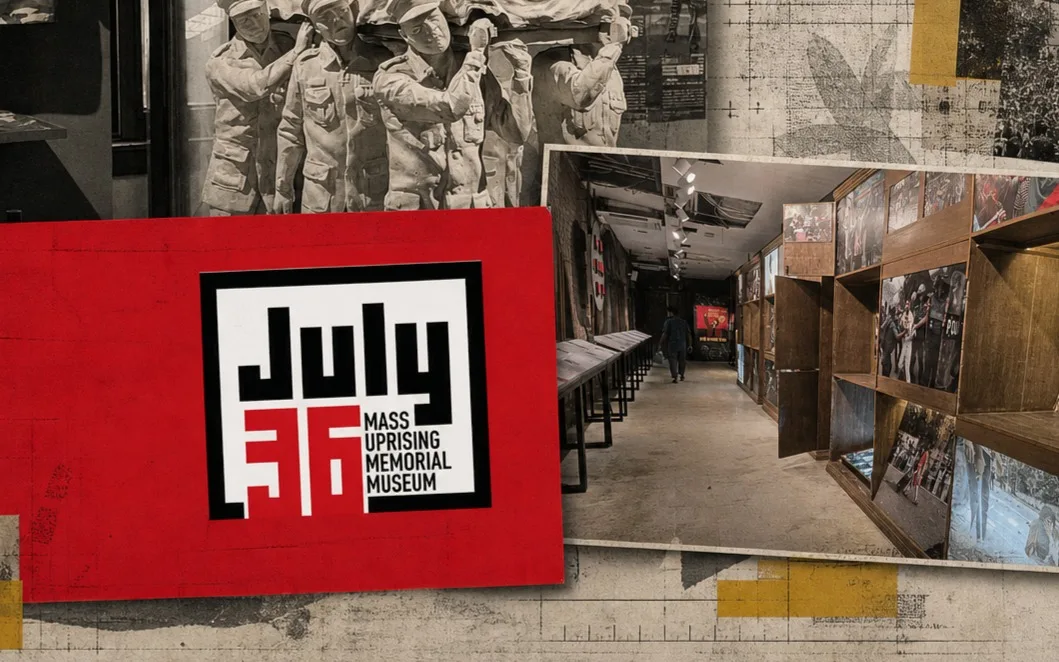
Ganabhaban, the former residence of Sheikh Hasina, once the command centre of her authoritarian rule, has now been turned into a museum meant to preserve the memory of that era and the uprising that ended it. After nearly two years of work, the government opened the July Uprising Memorial Museum on 5 August, 2026, with public access starting a day later. The interim government had overseen its development before handing over authority to the newly elected administration, which opened the doors almost seven months after the election. Tickets were sold only online at first, and nearly all slots were gone within hours of the booking site going live.
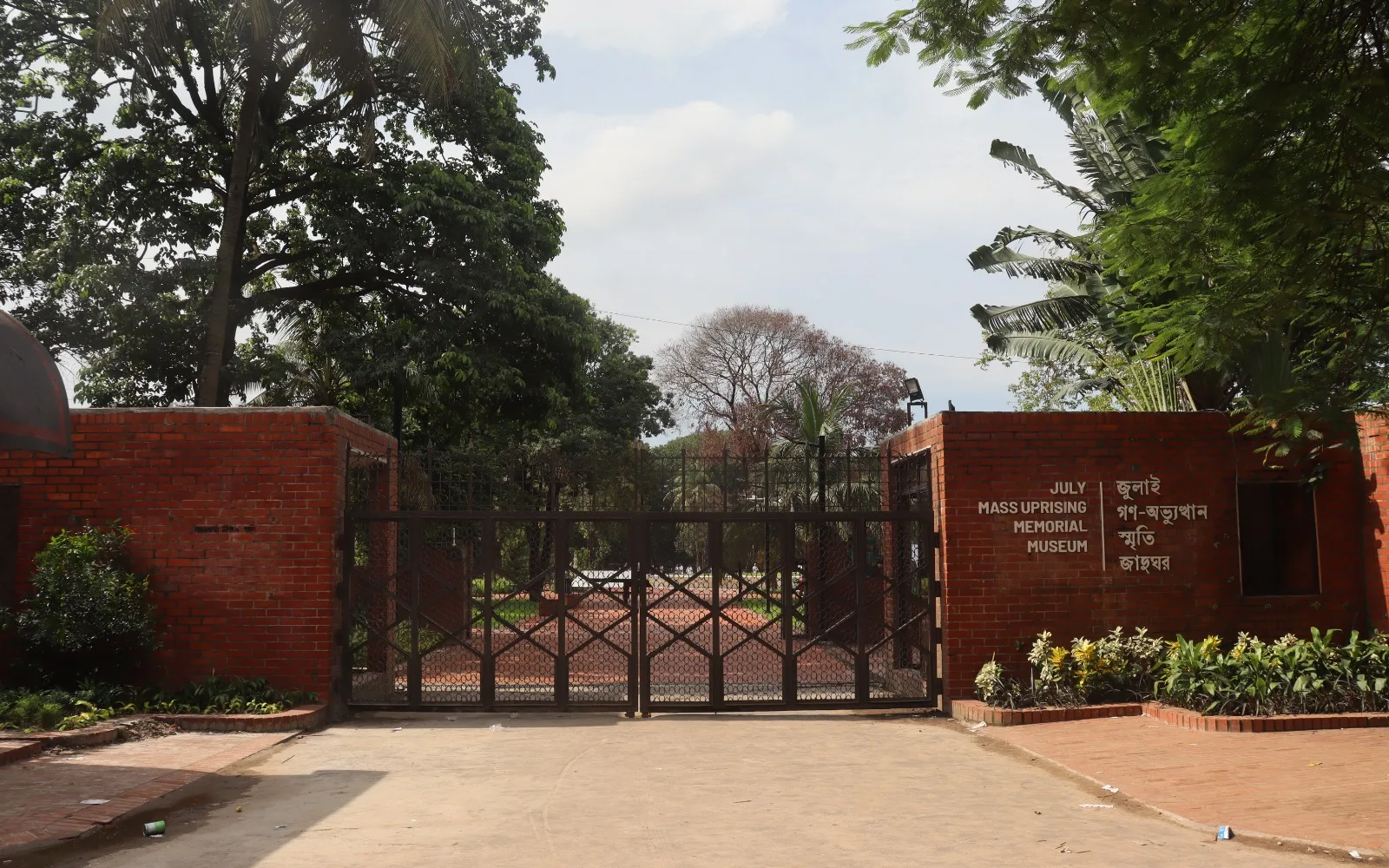
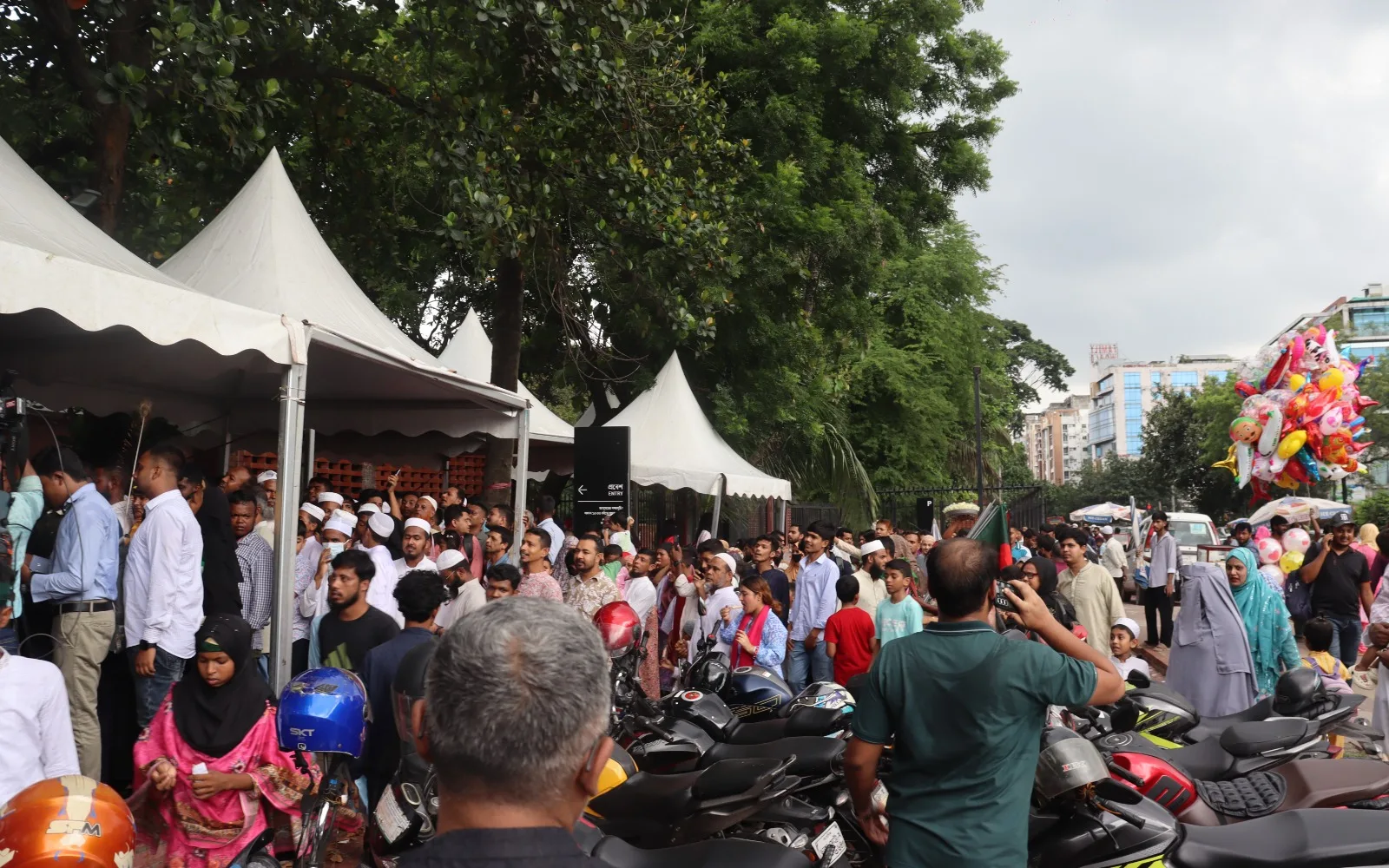
The museum's first Friday, 7 August, also a public holiday, showed how unprepared the arrangements were for the crowd they had promised to serve.
A gate that nearly gave way
A large number of visitors gathered for the 3 pm slot. Many had no online ticket; some didn't even know online tickets existed. The crowd system buckled almost as soon as people began pushing toward the entrance. Visitors nearly broke down the iron gate beside the main entrance and forced their way onto the premises before police stepped in.
"This is not how it should have been managed," one visitor said near the gate. "If the ticketing had been handled properly, everyone could have entered in an orderly way. Creating this kind of chaos isn't expected."
This is not how it should have been managed.
A father who had brought his 12 y/o son said he'd booked online the previous day, expecting that to guarantee smooth entry. "The crowd was so overwhelming that almost no one could get through. There was no police, no Ansar, nothing. If you turn the camera around, you won't find a single police officer here. We still don't understand what arrangements the government has actually made."
Some visitors with valid online tickets couldn't get in at all. Others who did make it past the counter said guards checking tickets at the main gate were unprofessional, particularly as women and children struggled in the crush.
What people actually came to see
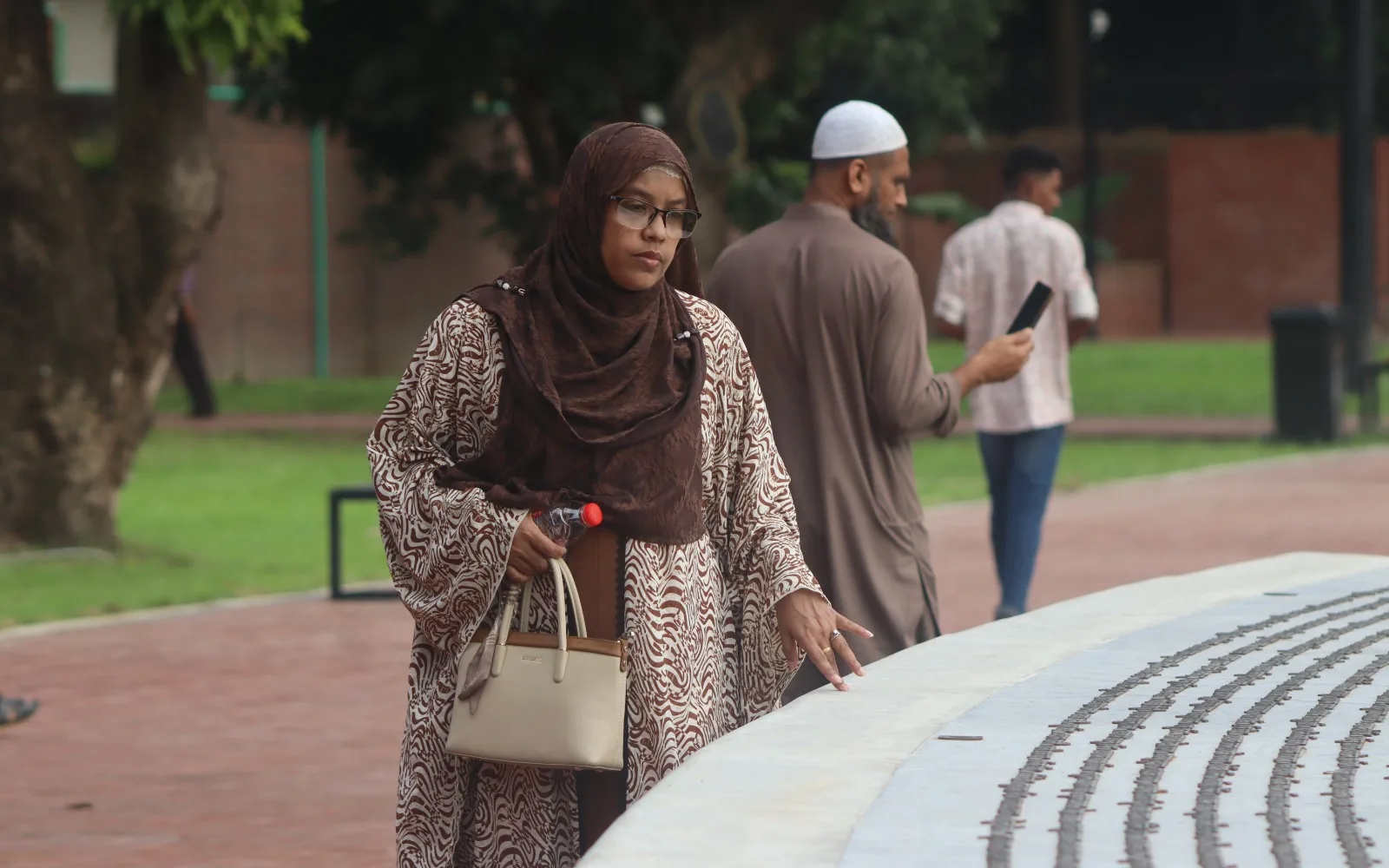
Once inside, the complaints shifted from access to experience. Another female visitor said the crush while entering the main building, men and women pushed together, was inappropriate, and suggested separate queues would help.
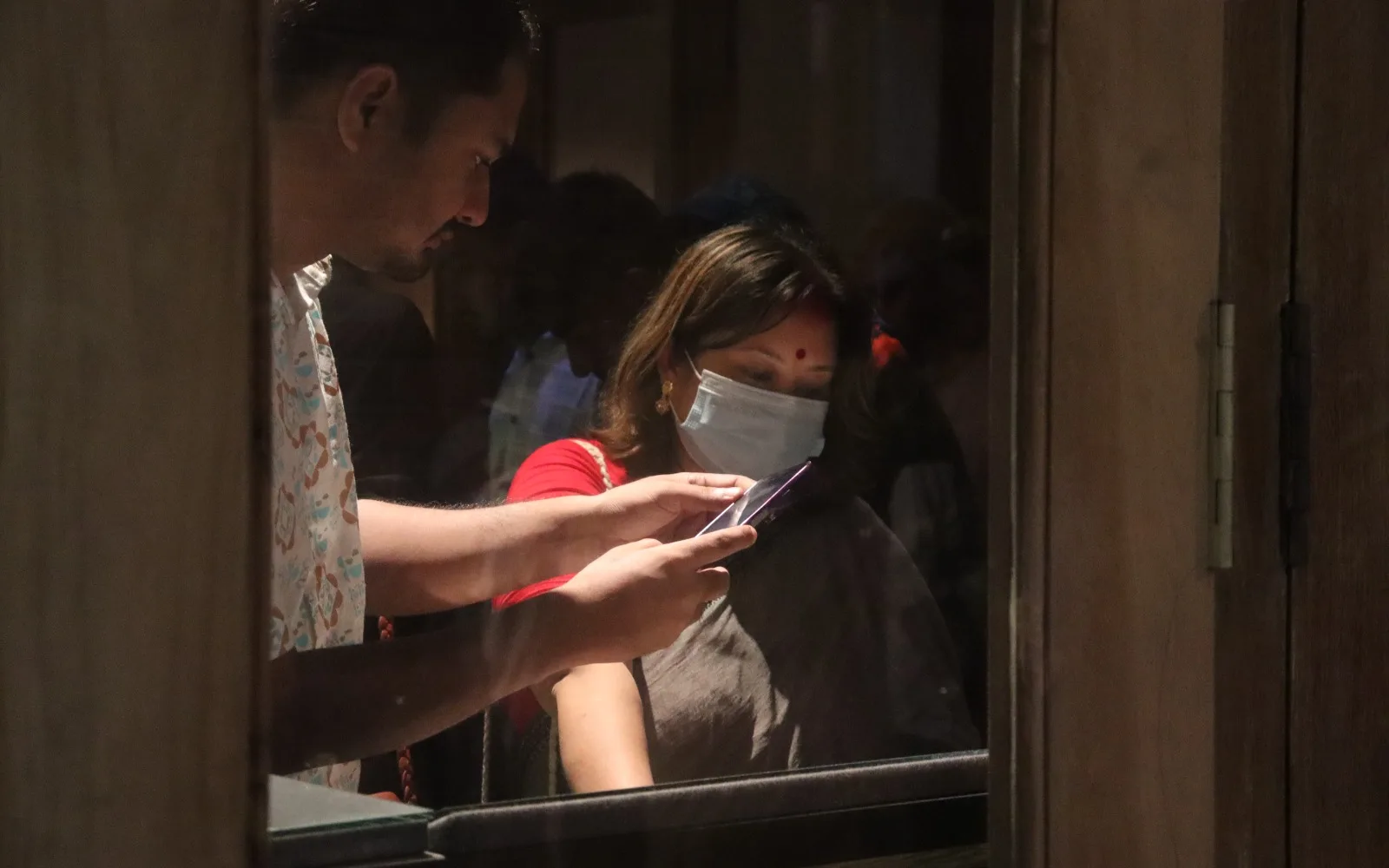
She described the museum's replica of the Aynaghar, the Hasina government's notorious secret detention facility, as the most affecting part of the visit. "What was done to so many people is beyond words. I saw it with my own eyes, and I brought my children so they could see it too."
What was done to so many people is beyond words.
That's the tension running through the museum's first days: people aren't just coming to see Ganabhaban or a former prime minister's belongings, they're coming to understand the movement itself.
Priceless artefacts, minimal protection
The museum holds original artefacts belonging to the former PM alongside mementoes of those killed in the uprising: blood-stained clothes, sculptures, Sheikh Hasina's own bedroom preserved as visitors last saw it. All irreplaceable, all fragile. But the safeguards were thin. With too few volunteers on the floor, visitors were seen touching artefacts, sitting on furniture, handling items meant to stay behind glass.
An internal source said volunteers got only about half an hour of briefing before deployment, some without even knowing the full layout. Riyad, a volunteer stationed near the entrance hall, walked us through the route: the entry hall, kept as it looked after students stormed the building;
a corridor with a torture chair and the regime's infamous red telephone; then upstairs to Hasina's bedroom, which people can experience, but sitting on the bed isn't allowed. He urged visitors to come with patience, in groups, and to avoid public holidays, while admitting volunteers were themselves stretched too thin to manage it.
He also mentioned the ticketing issues "Walk-in tickets exist at a counter just inside the gate, he said, but he discouraged relying on them: "It will be very difficult because of the crowd. If it's at all possible, book online”
The museum authority responds
Facing the backlash, museum authorities issued a public statement. They said the turnout in the first two days had left the main gate unstable and staff injured in the crush, and that frustration built as the ticketing system broke down and children in the waiting crowd began falling ill. On humanitarian grounds, they said, they allowed on-the-spot ticket sales beyond stated capacity, a call they admitted put both visitors and the collection at risk.
They said, "We understand the enthusiasm and emotion people feel toward this museum. At the same time, protecting its invaluable contents and ensuring visitors' comfort is equally urgent,"
We understand the enthusiasm and emotion people feel toward this museum. At the same time, protecting its invaluable contents and ensuring visitors' comfort is equally urgent,
the statement read. "This museum belongs to all of you, and we want cooperation from you."
A fight over what's missing
Crowd control isn't the only complaint. Nahid Islam, opposition chief whip, NCP convener, and a key coordinator of the movement that ousted Hasina, toured the museum with over 50 party leaders and met museum authorities for half an hour before facing the press. His allegation: a border-killings section, the list of Bangladeshis killed by India's BSF, a Felani memorial, and memories and photos from the anti-Modi movement have been quietly removed, while content on the BNP's own persecution has grown more prominent. Asked why, he didn't hedge: the ruling party, he said, is "afraid of India."
The ruling party, he said, is "afraid of India."
He also faulted the museum for what it never included, accounts of torture and resistance from universities and districts outside Dhaka, and from private university and madrasa students, saying only a handful of familiar faces get repeated attention. His fix: hand the museum's running to people who lived the uprising, not the current administration.
Still finding its footing
Two days in, this is really two stories at once: overwhelming public demand for a space built to commemorate a defining national moment and a set of operational and curatorial gaps that have left many of those same visitors frustrated. The authority's quick, public admission of its ticketing error suggests it can course-correct. Whether it can do that while also settling the bigger argument over whose memories the museum chooses to keep is a harder question.