POLITICS
NCP drops Gopalganj from 'July March' plan this year due to security concerns
NCP removes Gopalganj from its 'July Padajatra' plan citing security concerns; central leaders will skip the march while locals hold indoor programs.
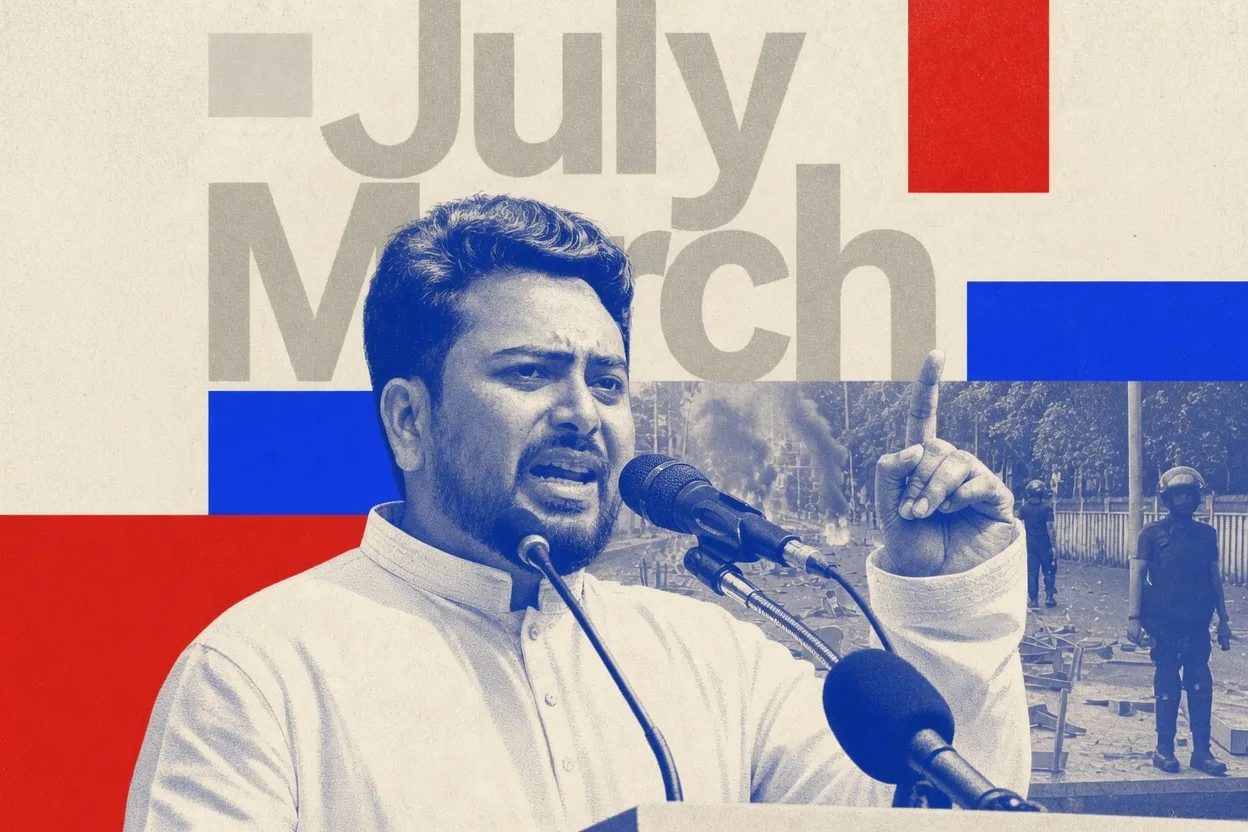
Collected
BIONIC READING
In a Nutshell:
- NCP announced its month-long "July Padajatra 2026" roadmap but revised its itinerary within an hour to remove the scheduled July 16 march in Gopalganj due to security considerations and leadership schedule conflicts.
- Key party organizers Sarjis Alam, Sarwar Tushar, and Ali Ahsan Junaid detailed the changes, confirming that central leadership will not travel to Gopalganj, leaving local party members to hold prayers and discussions instead.
- The central leadership opted to alter the format of their presence in Gopalganj to avoid a repeat of the 2025 clashes that caused four deaths, though they noted plans to potentially visit the district later in September for local government election campaigns.
Why it Matters
The decision to alter a major political campaign layout highlights the lingering volatile security dynamics in regions with deep-seated political rivalries following the historical mass uprising. It shows a tactical shift by NCP prioritizing risk avoidance and local stabilization.
- Altering the campaign route underscores that political operations remain restricted by security vulnerabilities in specific geographical strongholds, preventing certain parties from exercising unrestricted mobility.
- Shifting the march to localized prayers mitigates immediate risks of street violence and Section 144 curfews, though it delays the central party's active integration into the district until regional electoral campaigns begin later in the year.
Who it matters to
The restructuring of the political program alters the operational safety, strategic timeline, and engagement levels of regional administrations, political organizers, and neighborhood communities.
- Top leaders minimize personal security risks and avoid generating volatile local conditions, allowing them to focus their schedules on alternative high-priority anniversary events like visiting gravesites in Rangpur.
- Local party members are restricted to indoor organizational discussions and prayer sessions rather than holding large public rallies, reducing the likelihood of public confrontations and localized disruptions.
Related Articles
EC Backtracks on UP Election Date After Govt Pushback