Beyond the “Dushtu Bachha”
Not every child learns in the same way, but our classrooms often expect them to. For neurodivergent children in Bangladesh, keeping up with those expectations can make school tougher.

For generations in Bangladesh, a child who struggled to sit still, copy notes from the blackboard, or focus on a textbook was quickly labelled. They were dushtu (naughty), chonchol (restless), or porashonay olosh (lazy in studies). The traditional response was simple: punish the child or tell them to “try harder”. Today, however, an essential conversation is beginning to unfold across the country. What if the child is not lazy or careless? What if their brain simply processes information differently?
The Growing Shift in Awareness
Neurodiversity refers to the natural variations in how human brains function, learn, communicate, and interact with the world. In Bangladesh, an increasing number of children are being identified with conditions such as Attention Deficit Hyperactivity Disorder (ADHD), dyslexia, and autism. This trend does not necessarily mean these conditions are suddenly more prevalent. Rather, improved diagnostic understanding, broader screening efforts, reduced social stigma, and better access to child-development services—particularly in major urban hubs like Dhaka and Chattogram—mean that children who once went unnoticed are finally being recognised.
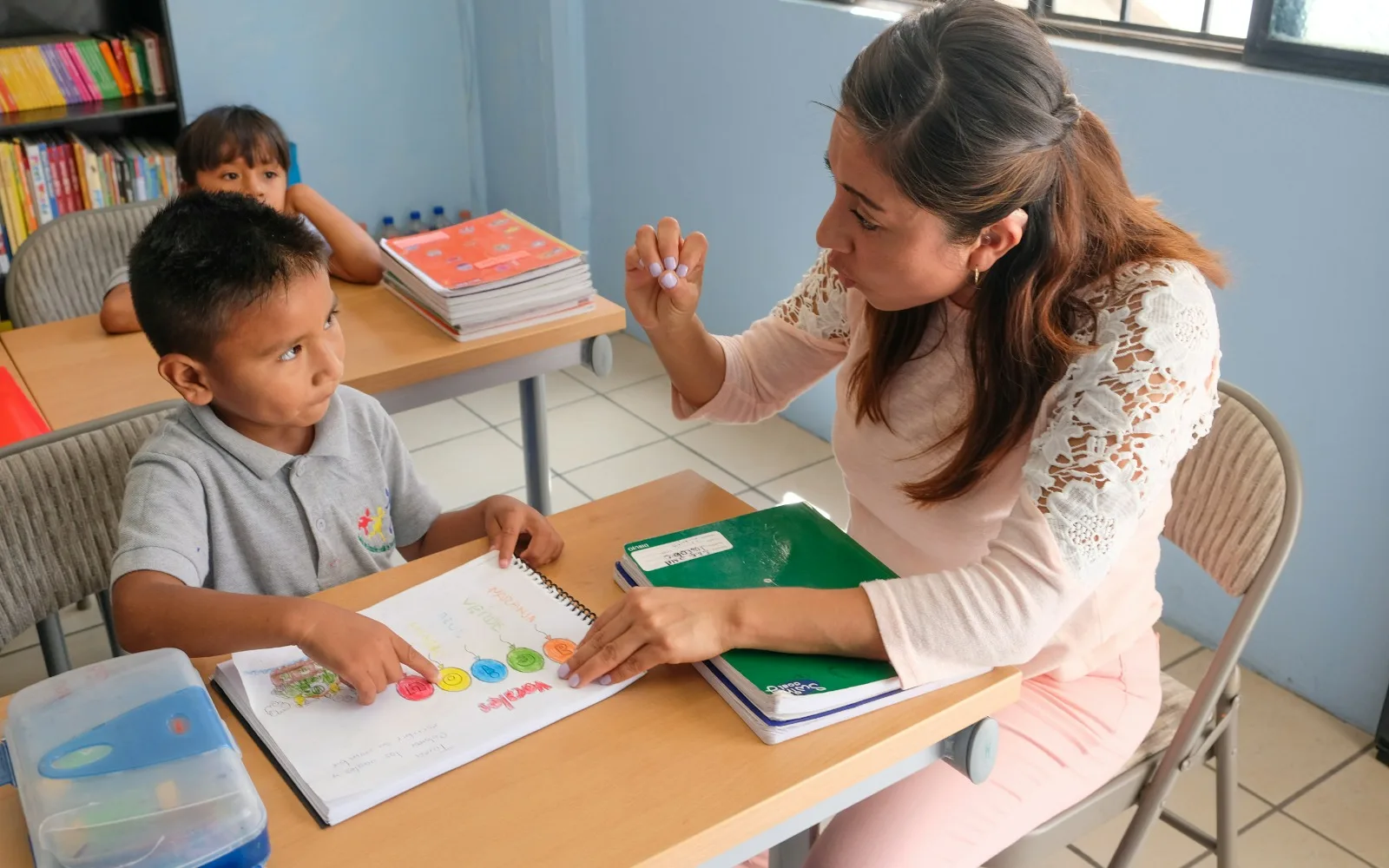
Yet, identification is only the first step. As the understanding of neurodivergence grows, a stark reality becomes clear: receiving a diagnosis does not automatically guarantee an inclusive classroom. A small set of teacher responses collected for this article offers a glimpse of what that reality looks like. Teachers working in primary classrooms reported having students who were either formally diagnosed or showing traits associated with neurodivergence. One early-years teacher described feeling only “slightly prepared” by previous training and identified a lack of practical classroom strategies as the main obstacle. Another teacher, working with more than 20 students, pointed to class size as the biggest barrier. A third teacher also identified large class sizes as a challenge while working with a child showing unconfirmed traits. The responses also show that teachers are already using simple strategies. Teachers reported using visual timetables, movement or stretching breaks, quieter spaces, and flexible assessment methods such as extra time, oral responses and larger fonts. These are not necessarily expensive interventions. What teachers repeatedly asked for was the confidence and training to use such strategies effectively and consistently.
What Teachers Say: Beyond Theory
The teacher responses reveal an important distinction between knowing about neurodiversity and knowing what to do in the classroom. One respondent specifically called for “continuous practical training on sensory management and lesson adaptation.” Another asked for mentoring and co-teaching with experienced inclusive educators. A third similarly requested practical training and greater expertise in handling neurodivergent learners. The message was especially clear when teachers were asked what single change would help both educators and students. One response was simple: “All teachers should be trained to deal with neurodivergent students.” Another emphasised the need for someone more experienced to guide teachers. These comments support a broader point: inclusion cannot depend on a handful of specialists while the rest of the teaching staff are left to manage unfamiliar situations alone. The responses also highlight that parent-school relationships are not uniform. One teacher described collaboration as excellent, with regular goal setting. Two others described communication as moderate, occurring mainly when problems arise. Many teachers specifically felt that greater parental cooperation and support would help. This variation matters because successful inclusion requires information to move in both directions: families understand the child outside school, while teachers observe how the child learns and responds inside the classroom.
Policy vs Classroom Reality
Bangladesh has made notable legislative progress by establishing legal frameworks such as the Persons with Disabilities Rights and Protection Act, 2013 and the Neurodevelopmental Disability Protection Trust Act, 2013. However, a significant gap remains between high-level policy and everyday classroom implementation. The nation's education infrastructure continues to operate largely on the assumption that all children learn, behave, and express knowledge at the same pace and through the same methods.
Bengali-Medium vs English Medium
In mainstream Bengali medium schools, class sizes frequently range from 40 to 60 or more students. Managing such large groups naturally forces teachers to rely on strict routines and uniform instruction to complete the syllabus on time. In these crowded environments, a child with ADHD needing movement breaks may be viewed as disruptive, while a child with dyslexia who struggles to copy rapidly from the board easily falls behind. Dedicated learning-support staff and Individualised Education Plans (IEPs) remain rare in mainstream institutions. The teacher responses collected for this article echo this concern even in smaller settings. Two of the three responding teachers reported classes of more than 20 students and identified large class sizes or high student-to-teacher ratios as a major obstacle. This suggests that the challenge is not simply about extremely large classrooms; even moderately sized classes can make individualised support difficult when teachers lack time, training or additional assistance. While often offering smaller class sizes and dedicated Learning Support Departments, inclusion is still far from universal in mainstream English medium schools. Although international examination boards such as Cambridge and Pearson Edexcel offer accommodation like extra time or scribes, obtaining the required documentation and coordination can be daunting for both families and schools. Furthermore, some schools expect parents to hire and fund private “shadow teachers”, a financial barrier that makes adequate support inaccessible to many families.

The Burden on Parents and the System Trap
Navigating the educational landscape often places an overwhelming burden on parents. Families frequently find themselves acting as full-time advocates—searching for scarce assessments, therapies, and receptive schools while repeatedly asking for basic classroom accommodation. This dynamic can create friction. Parents feel schools are unsupportive, while teachers—working with limited budgets, fixed schedules, and heavy workloads—feel overwhelmed by requests they lack the resources to meet. The teacher responses illustrate both sides of this relationship. While one teacher reported strong collaboration and regular goal setting with parents, others described communication that mainly happened when problems arose. This suggests that the issue is not simply whether schools and parents communicate, but whether communication is regular, proactive and focused on shared goals. Crucially, this is not an individual teacher failure; it is a systemic issue. Most general teacher-training programmes in Bangladesh provide minimal practical preparation for supporting neurodivergent learners. Knowing the definition of ADHD or dyslexia is vastly different from managing a busy classroom at 10:30 am when a child experiences sensory overload or struggles to follow multi-step instructions. Furthermore, access to specialised therapy, occupational therapy, and speech services is heavily concentrated in major urban areas. For rural and lower-to-middle-income families, regular private support is often economically out of reach.
Simple, Low-Cost Changes for Inclusivity
Inclusive education does not require expensive high-tech gear or separate facilities. In fact, small, thoughtful adjustments to everyday routines can transform a classroom for a neurodivergent learner while benefiting the rest of the class as well. Visual Timetables & Structured Steps: Posting a simple daily schedule on the board helps lessen anxiety for children who struggle with changes or organization. Breaking assignments down into small, numbered steps makes tasks manageable. Multi-Sensory Instruction: Delivering instructions verbally, visually, and through hands-on activities helps students who struggle with plain written text. Movement Breaks & Quiet Zones: Allowing short stretching or movement breaks helps students with focus difficulties regulate their energy. Providing a designated quieter corner lets students step back when overwhelmed by noise or stimulation. Flexible Assessments: Granting extra time, offering larger font sizes, or allowing oral presentations as alternatives to long written tests gives students a fair opportunity to demonstrate their knowledge. These approaches are already appearing in teachers’ everyday practice. The survey responses included visual schedules, quiet areas, movement breaks and flexible assessments. The lesson is not that teachers are doing nothing; rather, many are already adapting. What they need is systematic support so that good individual practice becomes consistent school-wide practice.
What teachers need is systematic support so that good individual practice becomes consistent school-wide practice.
Bridging the Gap: The Path Forward
To turn inclusion into a sustainable reality across Bangladesh, several key structural steps are required: Rethinking Teacher Training: General teacher preparation must move beyond theory to offer continuous, practical training in managing sensory overload, adapting materials, and applying multi-sensory strategies. Mentoring, co-teaching models, and shared resource banks can prevent teachers from having to invent strategies alone. Building Partnerships: Instead of adversarial dynamics, schools and parents need structured, transparent communication methods to establish realistic goals and share insights on what works at home. Regular meetings, shared progress notes and clear responsibilities can make collaboration more constructive. Leveraging Local Expertise: Mainstream schools can build partnerships with non-governmental organizations and university departments experienced in inclusive education—such as the Centre for Disability in Development (CDD) and SWID Bangladesh—to facilitate teacher workshops, accessibility audits, and referral pipelines. Building Whole-School Capacity: Inclusion should not rest solely with a learning-support teacher, counsellor or one particularly experienced classroom teacher. Every teacher who interacts with children should have basic practical training, while schools should have clear referral and support pathways for cases that require specialist input.
Changing the Narrative
Perhaps the most essential transformation needed in Bangladesh costs nothing at all: a change in language and perspective. Instead of asking, “What is wrong with this child?” or “Why can't they sit still?”, adults in the classroom can ask, “What is making this task difficult for them?” and “How can we adapt our instructions to help them succeed?” A child who struggles to read may possess deep analytical insight. A child who cannot sit still for two hours may be extraordinarily creative and curious. Difficulty does not equal inability, and a different way of processing the world is not a defective one. The teachers whose experiences informed this article are not asking for impossible classrooms. They are asking for practical knowledge, manageable class environments, collaboration with families, and access to people who can help when a situation is beyond a teacher’s expertise. Neurodivergent children in Bangladesh do not need pity or isolation. They need classrooms and educators equipped to recognise their potential, respect their differences, and afford them a fair chance to learn.
Difficulty does not equal inability, and a different way of processing the world is not a defective one.
Note: The teacher-response material incorporated above was collected through a short questionnaire from teachers working in primary schools (both English and Bengali medium). Their responses are presented as practitioner perspectives rather than as a statistically representative national survey.
Rumayla Mannan is the Vice Principal at Compass International School.