WORLD
"This is the last time you will see me": Palestinian doctor from Israeli prison
Palestinian doctor and former Kamal Adwan Hospital director is reportedly critically ill after 18 months in Israeli detention amid allegations of abuse.
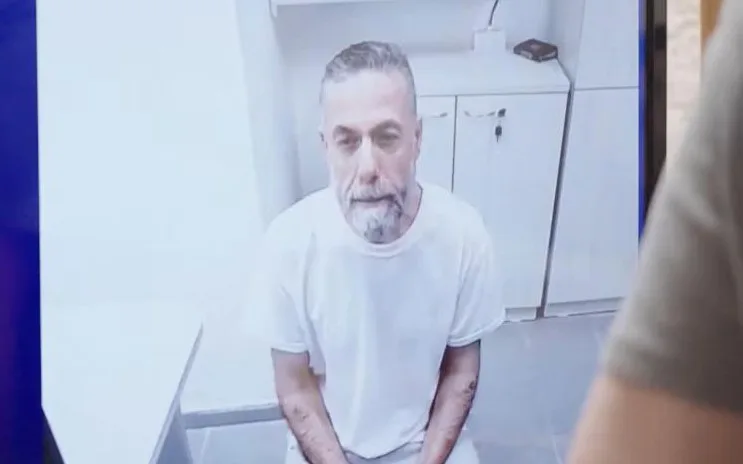
Reuters
BIONIC READING
In a Nutshell:
- Hussam Abu Safiya, the former director of Palestine's Kamal Adwan Hospital, is reportedly gravely ill and showing signs of severe injury following a July 2 prison visit; his lawyer alleges he faces daily beatings, solitary confinement, and a lack of medical care.
- The case centers on 53-year-old Dr. Abu Safiya, his defense attorney Nasser Odeh, advocacy group Physicians for Human Rights Israel, and the Israel Prison Service, which has entirely denied the allegations of abuse.
- Following a July 2 jailhouse visit, his lawyer revealed that the physician is heavily disfigured, suffering from unaddressed head trauma, repeatedly losing consciousness, and facing daily assaults inside Nitzan Prison, prompting human rights networks to demand his immediate release.
Why it Matters
This case has become a flashpoint in the broader dispute over how Israel treats Palestinian detainees during the Gaza war.
- It highlights specific, documented allegations of punitive violence used against detainees who attempt to legally challenge their imprisonment through the court system.
- The situation intensifies international scrutiny from United Nations bodies and rights watchdogs regarding systemic prisoner abuse, potentially straining diplomatic relations and testing the boundaries of international laws protecting medical personnel.
Who it matters to
The situation carries profound implications for international legal observers, medical defense organizations, and the broader network of families tied to wartime detentions.
- For medical personnel operating in conflict zones, the prolonged detention and alleged torture of a recognized hospital director signal a dangerous erosion of the traditional legal protections granted to healthcare providers during wartime.
- For the thousands of families with relatives currently held in the surging wartime prison population, this high-profile case amplifies deep fears regarding the safety, lack of legal recourse, and physical survival of their own loved ones within the detention system.