From Reactive to Proactive: Police to Shift Strategy in Fighting Crimes
Bangladesh Police say thousands of community meetings and traffic campaigns are reshaping how officers and citizens work together to fight crime and make roads safer.
In a Nutshell
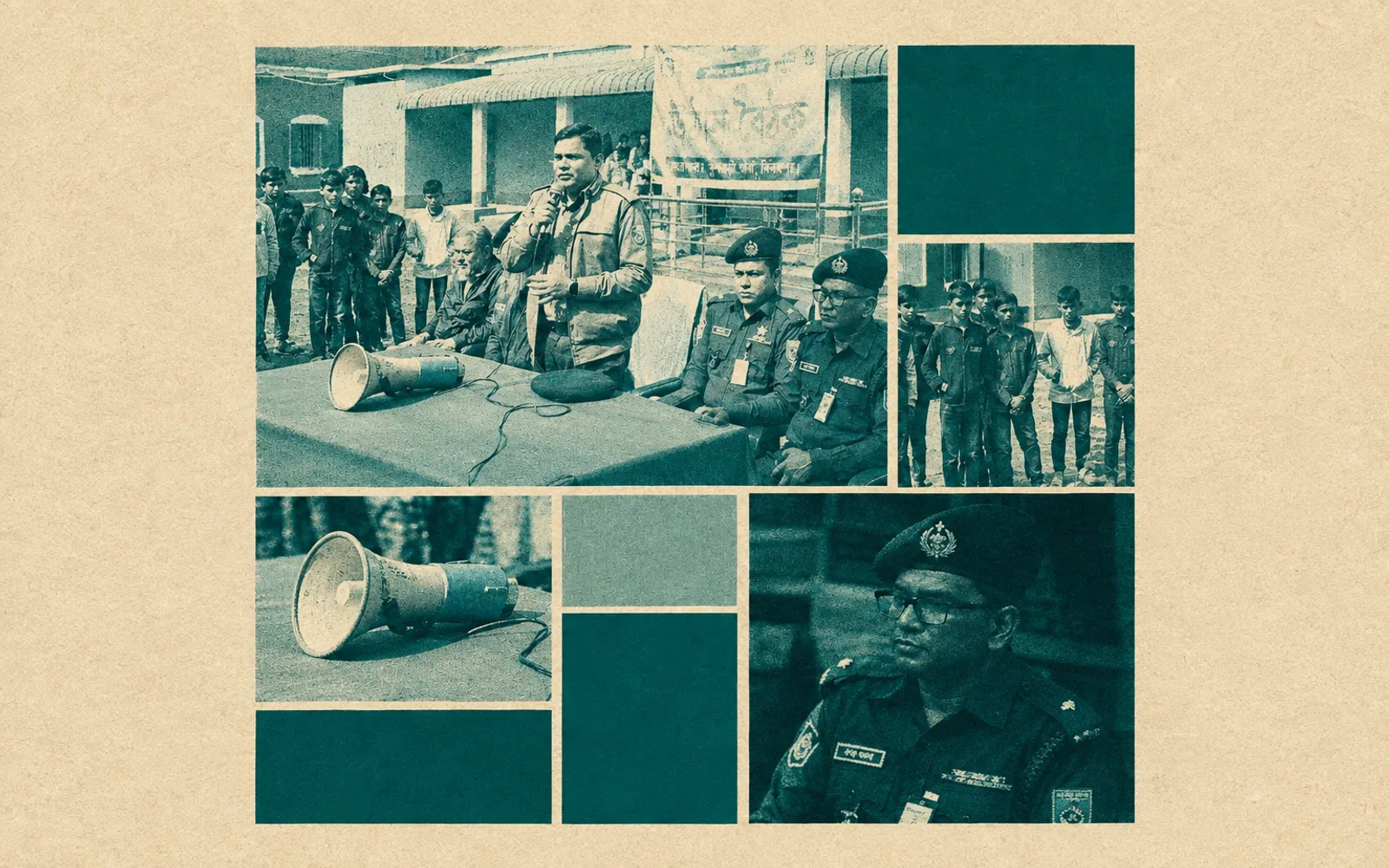
- Bangladesh Police has ramped up nationwide community outreach to tackle cybercrime, drug abuse, and other offences while pushing road safety.
- Additionally, IGP (Crime and Operations) Khondoker Rafiqul Islam says police cannot fight crime alone and calls community participation essential.
- A Home Ministry progress report shows 3,711 monthly "uthan baithak" (courtyard) meetings held across 664 police stations to raise awareness on cybercrime and drugs.
- Separately, 1,544 traffic law awareness campaigns were run nationwide to cut road accidents, and community policing committees have been fully formed in all 65 districts and 8 metropolitan areas.
- Additionally, IGP Gazi Jashim Uddin says the initiative is about listening to people and making policing more responsive and accountable.
Context
Community policing traces back to Sir Robert Peel's 1829 London police model, built on the idea that the police are the public and the public are the police. Bangladesh piloted the concept in Mymensingh in 1992, then adopted it nationwide in 2008 with support from the UNDP Police Reform Programme. Decades later, this grassroots approach has grown into a structured, nationwide network of committees now considered a core pillar of the country's internal security strategy.
Why It Matters
This move toward proactive rather than reactive policing signals a significant shift in how law enforcement approaches crime: through direct collaboration with the public.
Meeting the target of establishing these committees in every district and metro area suggests the agency is taking the initiative seriously. However, having an assigned committee on paper does not guarantee it will function effectively in practice.
As the digital economy accelerates and internet usage surges, grassroots cybercrime awareness is more vital than ever. Educating individuals to identify digital scams empowers communities to intercept threats that the police alone would likely overlook.
Linking road safety to the same outreach effort also makes sense, since many of the country's traffic deaths stem from habits and awareness, not just bad roads.
There's a political point too. When police describe public cooperation as essential to safety, it helps bolster the force's legitimacy at a time when trust in state institutions is already a hot topic in Bangladesh's broader conversation about reform and accountability.
What We think
Such community outreach only works if citizens show up willingly, have the chance to speak honestly, and push for follow-through without external pressure, because community policing depends on public effort just as much as on police intent.