Govt Hands 3 Dead Jute Mills to PRAN-RFL, HAMCO in Tk 619cr Deal
The government has signed lease agreements handing three long shuttered state jute mills to PRAN-RFL and HAMCO Group, promising over 11,000 jobs as part of a wider plan to revive 20 of BJMC's 25 closed mills.
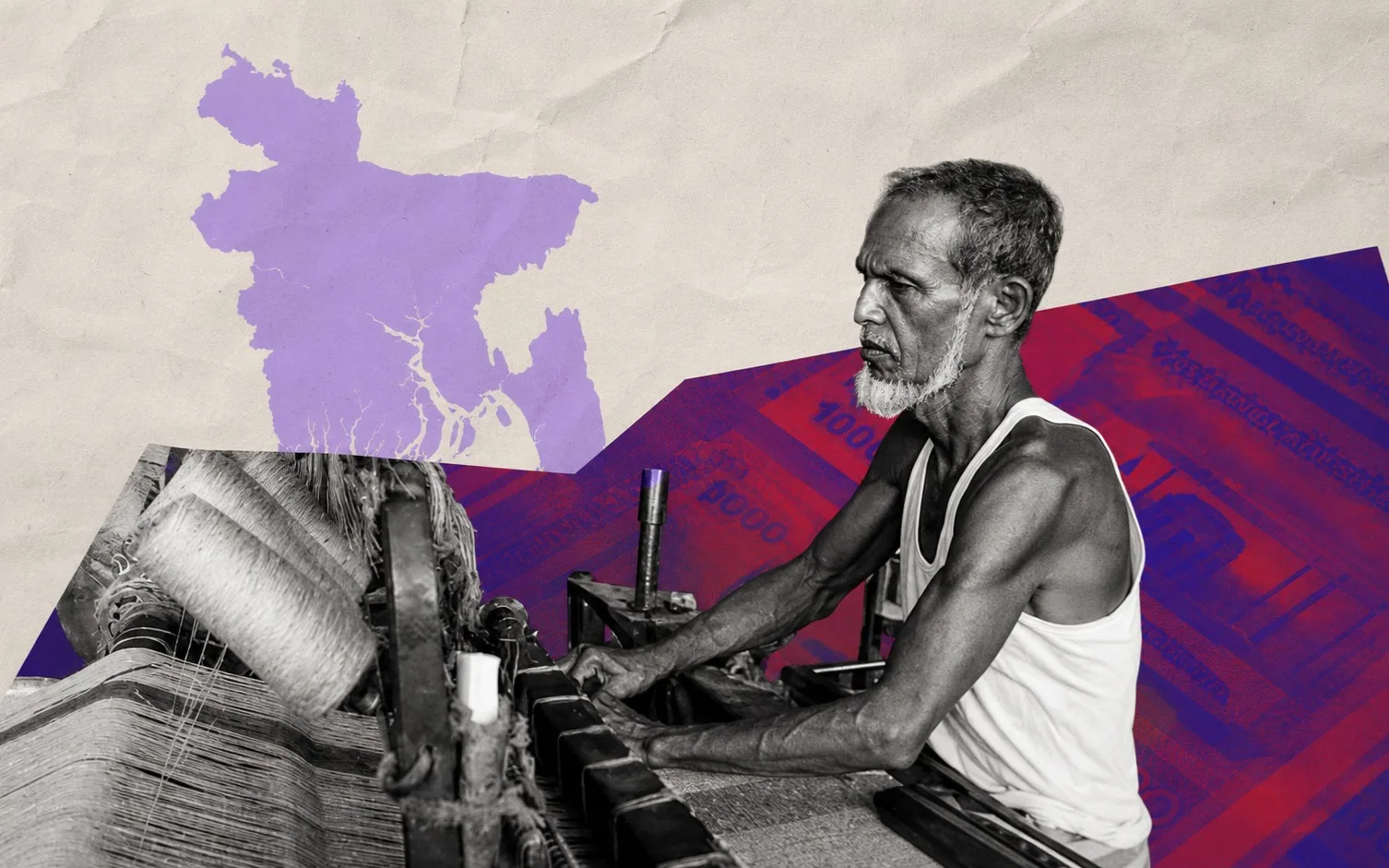
In a Nutshell:
- Government signed lease agreements at the PM's Secretariat handing three closed state jute mills to private firms: PRAN-RFL Group gets National Jute Mills (Sirajganj) and Star Jute Mills (Khulna), while HAMCO Group gets Platinum Jubilee Jute Mills (Khulna).
- The deal involves a combined investment of around Tk 619 crore, with projections of at least 11,629 jobs and roughly Tk 1,175 crore in annual turnover once the mills are operational.
- BJMC Chairman Brig Gen Md Kabir Uddin Sikder signed on behalf of the state, with company representatives Aminur Rahman (PRAN-RFL) and ATM Mustafa (HAMCO) signing for their respective groups.
- This is part of a broader plan to lease out 20 of BJMC's 25 closed mills; 14 leases are already finalized and nine mills have already resumed production.
Why it matters
This deal marks a major turning point in how Bangladesh's government handles factories that have sat idle for years, choosing to bring in private money instead of keeping them under loss-making state control. It matters to real people first: thousands of workers in Sirajganj and Khulna lost their jobs when these mills shut down, and reopening them could also help jute farmers who supply raw material to the mills. There's a political angle too. This lease is part of a much bigger plan to hand over 20 of BJMC's 25 closed mills, and eventually 44 state-run enterprises in steel, sugar, and textiles, to private companies. By starting with jute, a fiber deeply tied to Bangladesh's history and identity, the government may be trying to build public trust and investor confidence before tackling harder, bigger privatizations. There's also a concern worth watching: big business groups like PRAN-RFL and HAMCO are the ones taking over these mills, and they could end up controlling even more state assets as this privatization push continues. Whether these three mills actually succeed, creating the promised jobs and revenue, will likely determine how much faith the public and future investors place in the government's much larger plan to privatize dozens of other state enterprises.
What we think
This jute mill lease isn't a standalone event. It fits into a bigger pattern: the BNP government is quickly handing over control of important sectors to a small group of well-connected businesses, from 44 state enterprises in steel, sugar, and textiles to a new push letting private firms import and sell fuel oil, as per The Daily Star report, a plan traced to a May 24 letter from Bashundhara Oil and Gas Company seeking to import nearly half the country's annual fuel demand. Both the jute leases and the fuel policy follow the same script: the state opens a sector it once controlled, a few big business groups quickly claim the largest share, and officials call it "pro-competition" without addressing who benefits most or how fair the process really was. This affects real people directly, jute workers and farmers on one side, and every household paying fuel prices on the other, since outcomes may depend less on open competition and more on who gets early access. Bangladesh should ask whether these deals are genuinely open to many bidders or quietly reserved for a few favored groups, and whether regulators like BPC and BJMC can actually negotiate strong terms rather than simply approve decisions made elsewhere. The promised 11,629 jobs and Tk 1,175 crore turnover from the jute leases are still projections, not guarantees, so the government should set enforceable deadlines and penalties for non-delivery, especially since past BJMC mills failed partly due to weak enforcement. It should also clarify whether PRAN-RFL and HAMCO got special gas or financing deals, and ensure future lessees get equal treatment. Since this deal could become a template for reviving dozens of other state enterprises, Bangladesh should set up independent monitoring now, turning it into either proof privatization can work or an early warning sign before more of the economy ends up in a few hands.