In a Nutshell:
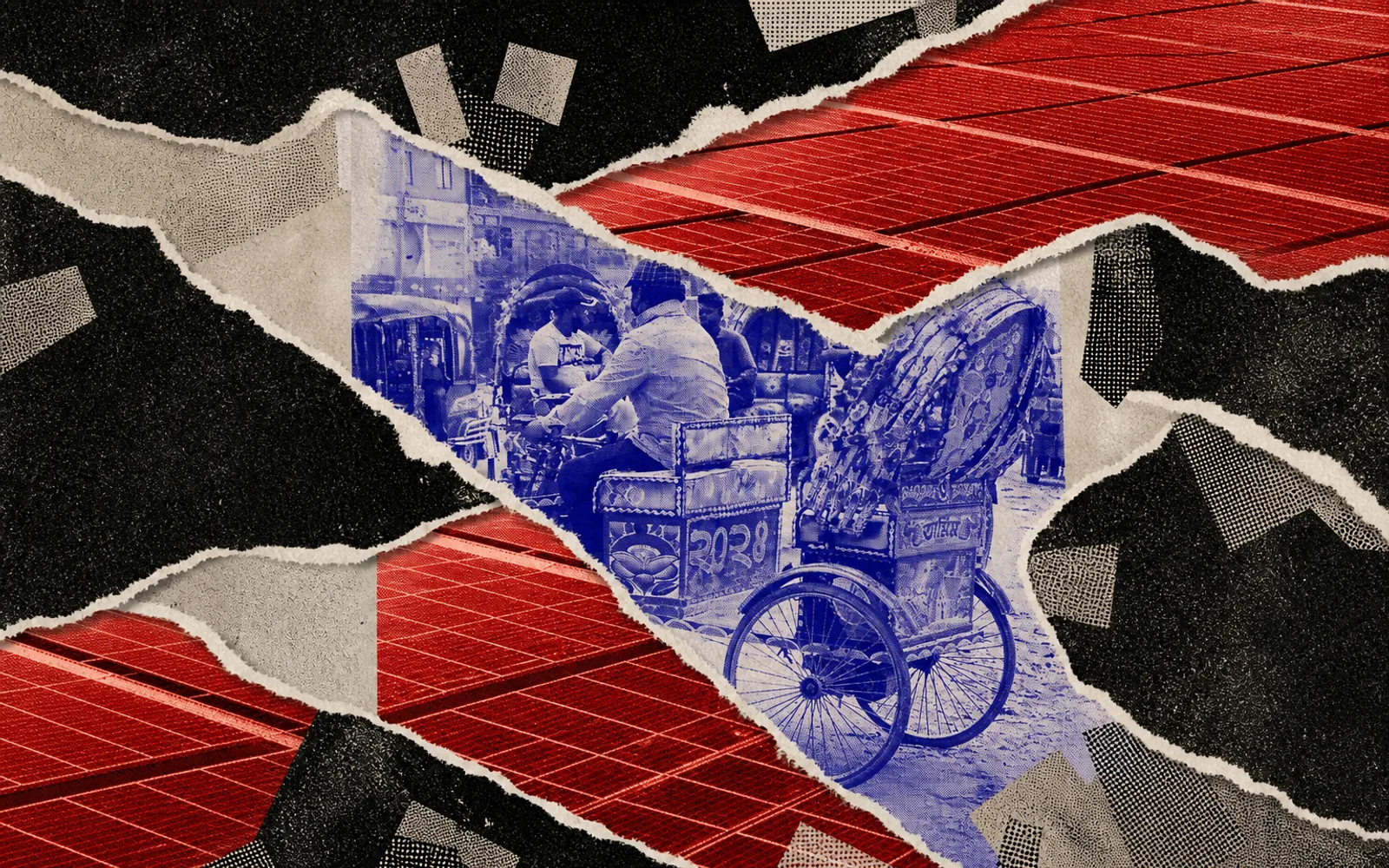
- On 13 August, the Local Government Division said it was preparing a nationwide, unified policy for regulating battery-run rickshaws through local government bodies, covering city corporations, municipalities, upazilas, and union parishads.
- On 17 August, LGRD State Minister Mir Shahe Alam said BRTA would no longer register battery-powered e-rickshaws; city corporations and municipalities would handle registration instead.
- The policy framework is tied to the Local Government (City Corporation) Act 2009 and its 2026 amendment, while the E-Rickshaw Operation Rules were gazetted in December 2025.
- The proposed system would establish a unified licensing authority and use local bodies to license vehicles and drivers, with stated aims of traffic management, road safety, discipline, and public revenue collection.
- Solar-powered charging would become a condition for registration and renewal, while charging from other electricity sources could lead to fines and disqualification from registration.
- Applicants would also need a vehicle fitness certificate from BUET’s automobile branch or a district-level government polytechnic institute, countersigned by the traffic police.
Context
The announcements indicate a shift from a broad regulatory plan to specific compliance rules for Bangladesh’s largely informal battery-run rickshaw sector. The framework combines decentralised registration, driver licensing, fitness certification, traffic police oversight and mandatory solar charging. It seeks to control e-rickshaw growth, improve road discipline, formalise low-income employment and reduce pressure on the electricity grid. However, the government has yet to explain how solar charging will be verified, whether adequate infrastructure exists, or how the rules will be applied uniformly beyond cities and municipalities.
Why it matters
A unified licensing structure could help replace fragmented and often informal local controls with clearer standards for vehicle numbers, driver identity, safety, and route management, potentially improving accountability and generating local-government revenue. The solar-power condition adds an energy-policy objective: limiting use of grid electricity or other non-solar sources for charging could reduce pressure on an already constrained power system and encourage distributed renewable-energy investment. Yet this also creates a major implementation challenge. If affordable, reliable solar charging is unavailable at scale, the rule may raise operating costs for drivers and owners, encourage unofficial charging arrangements, or turn registration into a rent-seeking opportunity. The BUET fitness certification may improve vehicle safety standards, but it alone cannot curb reckless driving by e-rickshaw operators without effective enforcement, driver training and traffic oversight.
What we think
The government should first map e-rickshaw numbers, charging patterns, routes, and local electricity impacts, and then phase in compliance by area rather than immediately imposing uniform penalties nationwide. The 2026- 27 fiscal budget did not make solar products costlier through new taxes; it offered tax and duty relief, though actual market prices will still depend on import costs, exchange rates, supply chains, and whether the benefits reach end users. A solar-only rule is credible only if operators have practical access to certified solar charging hubs at competitive prices; otherwise, it risks disproportionately burdening drivers while rewarding intermediaries who control charging facilities.