SSC 2026: Pass Rate Plunges to 19-Year Low as Nearly 7 Lakh Students Fail
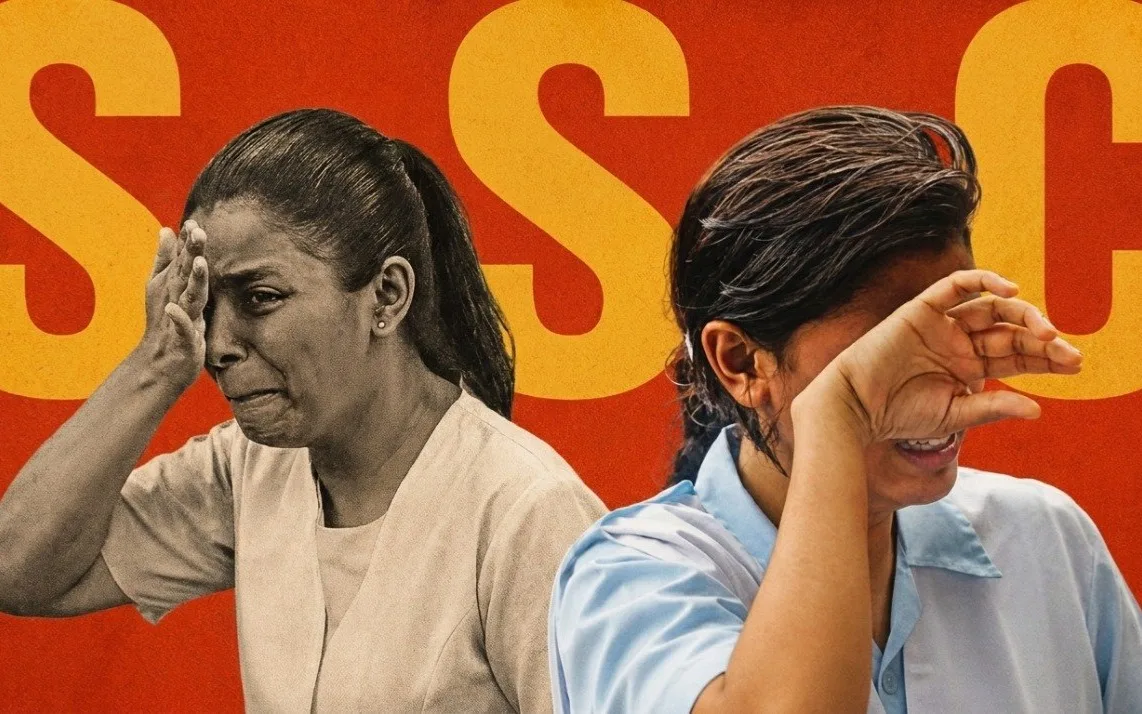
Bangladesh's SSC results hit a 19-year low this year, with a 62.25% pass rate, nearly 7 lakh students failing, and 312 schools recording zero passes.
In a Nutshell:
- SSC and equivalent 2026 results, published August 10, show an overall pass rate of 62.25%, the lowest in 19 years since 2007, with 690,608 of 1,829,485 candidates failing, and GPA-5 achievers dropping to 116,676 from 139,032 last year.
- Dhaka board led with a 71.63% pass rate, while Mymensingh (57.39%), Madrasah (55.49%), and Technical (58.20%) trailed furthest behind, exposing sharp regional and stream-wise disparities.
- For the first time, students will be allowed to apply for script re-scrutiny (rechecking) of their answer sheets.
- Zero-pass institutions surged to 312 from 134 last year, while 669 institutions achieved a 100% pass rate, highlighting stark gaps in school-level performance.
- Education officials attributed the decline to stricter, "unbiased evaluation" rather than poor performance, even as roughly 1.36 million Class XI seats are projected to remain vacant nationwide.
Why it matters
This dramatic pass-rate collapse, Bangladesh's steepest secondary-education decline in nearly two decades, signals a structural reset in how the country evaluates and produces its future workforce and citizenry. Coming just a year after the 2025 results already showed steep declines from pandemic-era grading highs (93.58% in 2021), officials are framing this as intentional, unbiased grading correction, but the scale of impact, 690,000 failed students and 312 institutions with zero passes, raises serious equity concerns about regional and rural-urban disparities in educational quality. The interim/reformed government's decision to overhaul evaluation standards has political stakes: it tests public trust in an administration attempting to demonstrate accountability and merit-based rigor after years of grade inflation allegations. Economically, with 1.36 million Class XI seats set to go unfilled, colleges face funding and viability pressure, while a generation of students faces reduced access to higher secondary and eventually tertiary education and skilled labor markets. The persistent gender gap favoring girls also reflects deeper shifts in enrollment retention and social mobility patterns. Regionally, boards like Mymensingh and Madrasah/Technical streams lagging far behind Dhaka expose infrastructure and teaching-quality gaps that could widen socioeconomic divides if unaddressed, with long-term implications for national human capital development and labor competitiveness.
What we think
Bangladesh's Ministry of Education faces a critical trade-off between grading rigor and systemic absorption capacity. While stricter, unbiased evaluation may improve long-term credential credibility, the immediate fallout, 690,000 failed students and 1.36 million vacant Class XI seats, demands urgent contingency planning for re-scrutiny processing, remedial programs, and vocational or alternative pathways for those who failed. Policymakers should prioritize a transparent, well-resourced script rechecking system to maintain public trust, given this is the first year it's being offered and demand will likely be high. The stark regional disparity, Dhaka at 71.63% versus Mymensingh at 57.39% and Madrasah at 55.49%, signals a need for targeted resource allocation, teacher training, and infrastructure investment in lagging boards rather than uniform national policy responses. Bangladesh should also address the 312 zero-pass institutions specifically, since this signals either systemic failure or possible malpractice that requires case-by-case institutional review rather than blanket criticism. Finally, authorities must communicate clearly to stakeholders that the lower pass rate reflects evaluation reform, not necessarily a decline in actual learning outcomes, while using this data point to drive substantive curriculum and pedagogy reforms addressing the deeper causes of underperformance, particularly outside Dhaka.