School students to get free access to July Museum once a week
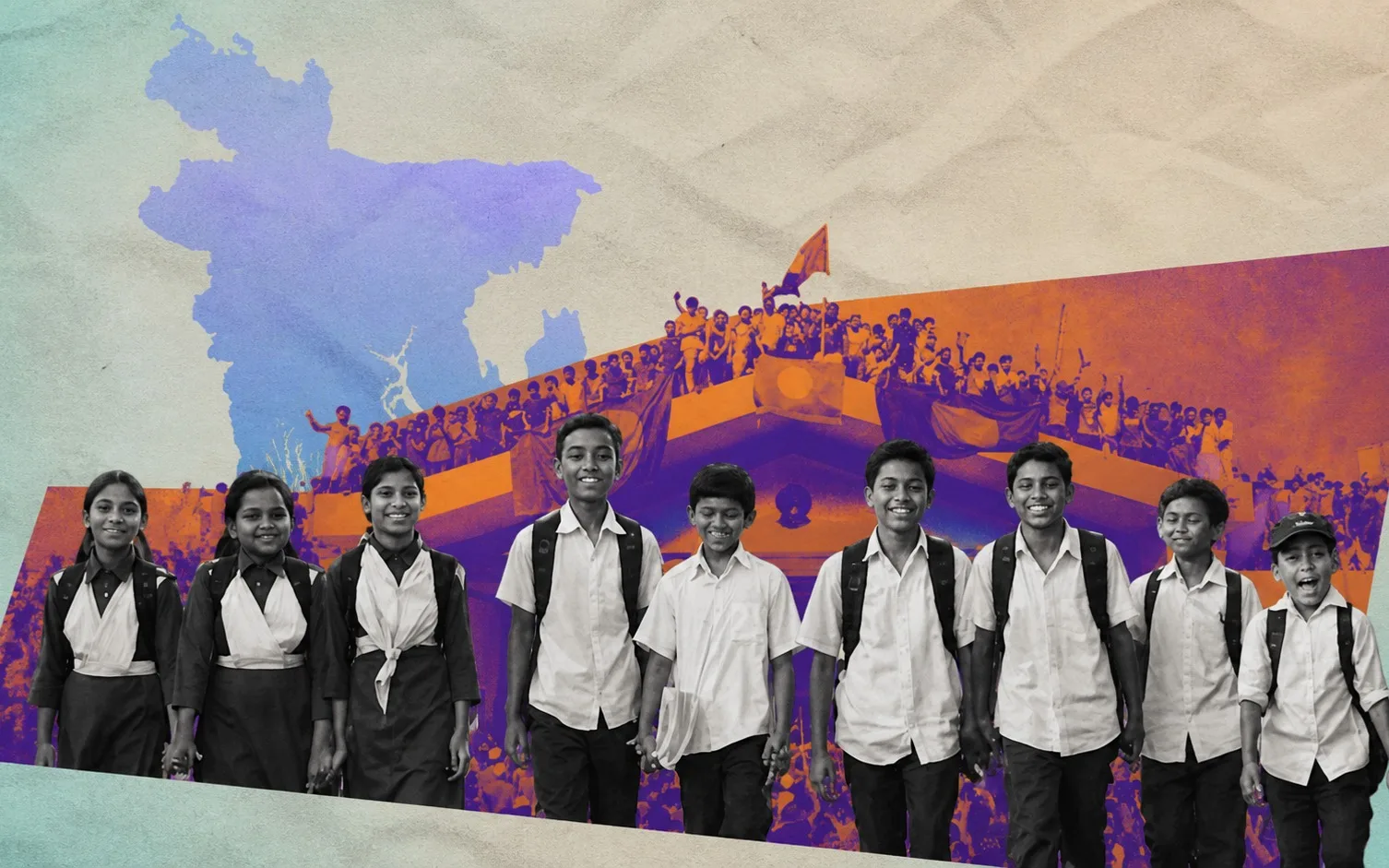
School students will be able to visit the recently inaugurated July Memorial Museum free of charge one day a week under a new government initiative to teach them about the July uprising and the sacrifices made during it. The government says free access will later be extended to the National Museum and other museums, potentially turning museum visits into a more regular form of educating students on contemporary Bangladeshi history.
In a Nutshell:
- Information Adviser Zahed Ur Rahman said that school students will get free entry to the July Memorial Museum one day each week.
- The government plans to extend the free entry arrangement to the National Museum and other museums later for school students.
- The July Memorial Museum opened to visitors on August 6 at the former Ganabhaban.
Context
The interim government led by Chief Adviser Muhammad Yunus first announced the decision on September 5, 2024 to turn Ganabhaban into the July Mass Uprising Memorial Museum. During a press briefing following an advisory council meeting, Adviser for Youth and Sports Asif Mahmud shared that the site would become the July Mass Uprising Memorial Museum. He emphasized that the structure would remain in the exact condition it was in during the student-led uprising to preserve its history and honor those who lost their lives. The July Mass Uprising Memorial Museum was finally inaugurated on August 5, 2026 and opened to visitors the following day.
Why it matters
Making the July Memorial Museum part of school education would give the government a direct role in deciding how the 2024 uprising is remembered by the next generation. That makes how the museum records and presents the history more important beyond the exhibits themselves. There is also a practical issue around how the programme will be organised. During the July Memorial Museum's inauguration, several female visitors said women and children were injured in the heavy crowding around the entrance, with no separate lines for men and women. With weekly student visits now planned, the government will need better systems for crowd management, scheduling and entry to keep the museum safe and comfortable for students and other visitors.
What we think
If the government is going to make the July Museum a regular part of school education, it should constantly strive to make the record-keeping process more accurate and fair rather than taking the museum's current version of events as complete. That means documenting women protesters, organisers, injured protesters and others whose roles may have received less attention, while continuing to build the archive of photographs, videos, documents and first hand accounts from people who were involved in any credible capacity during the Uprising. Regular museum visits can become a holistic form of historical education where students learn through guided visits, documentaries and firsthand accounts. For that, the July Memorial Museum's record should remain open to new evidence and experiences as the history of the uprising is documented more fully.