Tarique, UNHCR chief discuss sustainable solution to Rohingya crisis
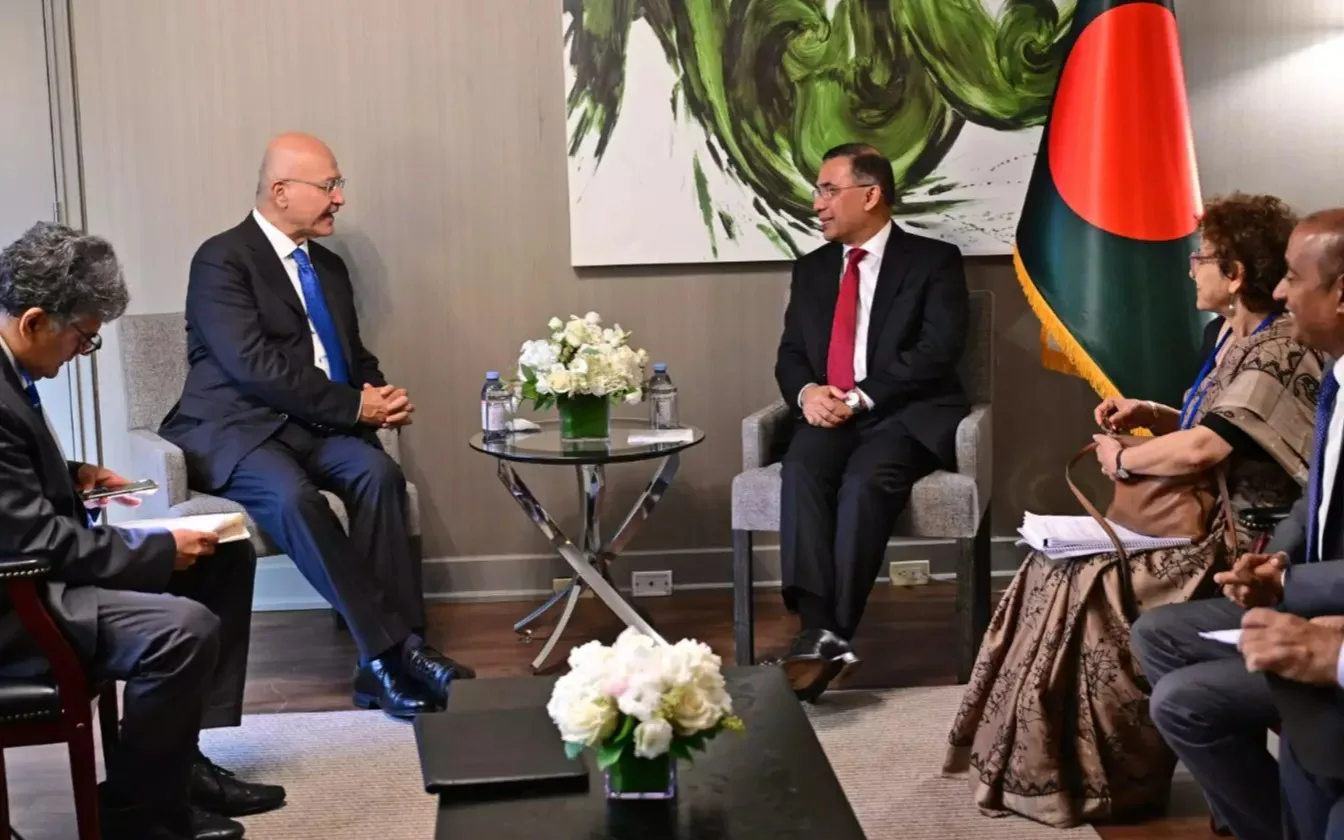
Prime Minister Tarique Rahman and UN High Commissioner for Refugees Barham Salih discussed how to create conditions for the safe, voluntary and dignified return of Rohingyas to Myanmar at a September 22 meeting in New York. Tarique is taking the issue into a UN high level side event on September 23, with Bangladesh seeking stronger international involvement in a crisis that has left more than one million Rohingyas in the country.
In a Nutshell:
- Tarique met Salih at the Hyatt Grand Central New York on September 22 and called for stronger, coordinated international efforts to facilitate Rohingya repatriation.
- Salih acknowledged Bangladesh’s humanitarian role and stressed continued international support, while both sides called for humanitarian assistance to continue as repatriation remains unresolved.
- Tarique will attend the September 23 UN side event on the Rohingya crisis, jointly organised by Bangladesh and The Gambia, with the stated focus on a durable solution, justice and accountability.
Context
Bangladesh now hosts more than one million registered Rohingya refugees, most of them in Cox’s Bazar. More than 750,000 arrived after Myanmar’s 2017 military crackdown, joining refugees who had fled earlier episodes of persecution. Bangladesh has consistently called for repatriation but there has been no sustained return process so far. UNHCR currently says conditions in Rakhine State are not conducive to ensure safe return of Rohingya refugees. Its requirements include an informed and voluntary decision, safety, dignity, sustainable reintegration, basic services, livelihoods and a pathway to citizenship. The refugee population is also expected to keep growing. UNHCR projects it could exceed 1.4 million by the end of 2029 through natural population growth if organised or facilitated voluntary repatriation does not occur. At the same time, funding constraints are pushing humanitarian agencies towards more targeted assistance.
Why it matters
Nine years after the 2017 exodus, repatriation has effectively stalled. Myanmar has verified only around 354,000 of the 829,000 refugees Bangladesh has formally submitted for return, while the junta says the process cannot begin as long as the civil war continues in Rakhine. The situation has also become more complicated on the ground. The Arakan Army now controls most of Rakhine and has itself been accused of serious abuses against Rohingya, including forced labour, arbitrary detention and killings. Human Rights Watch documented a 2024 massacre in which it said at least 170 Rohingya were killed or remained missing. That changes the diplomatic problem for Dhaka. The Rohingya file can no longer be framed only around the Myanmar military and a future return to Myanmar. Bangladesh now has to deal with a non-state armed group that exercises de facto control over much of the territory to which refugees are expected to return.
What we think
Bangladesh’s Rohingya diplomacy has reached a point where simply repeating the call for repatriation is unlikely to change the situation. That makes this week’s Rohingya-related meetings more of a diplomatic reset than a moment for a repatriation breakthrough. The meeting with Salih reinforces the humanitarian and refugee protection track, while the September 23 side event gives Dhaka a larger forum to push the political case. The practical value will be whether other governments commit to sustained pressure on Myanmar and support for refugees while those conditions remain unresolved.