TCB plans commercial sales to reduce subsidy burden
TCB is planning to add profitable consumer goods to its subsidised sales programme as it tries to cut an annual subsidy burden of Tk2,500 crore to Tk3,500 crore. The agency says the changes could reduce that burden by almost half at first and eliminate it by 2030.
In a Nutshell:
- TCB plans to sell profitable products including soap, detergent, tea, salt, flour, edible oil and spices to Family Card holders and ordinary consumers alongside its subsidised goods.
- The state agency is making the change to reduce its annual subsidy burden of Tk2,500 crore-Tk3,500 crore and aims to eliminate the subsidy by 2030.
- TCB has already tested the model by selling soap, detergent and salt commercially from April to July, making Tk28 crore in profit while keeping prices below the market.
- TCB expects commercial sales to bring in Tk450 crore a year, while faster dealer payments, direct warehouse supply, cheaper financing and other changes could take total annual savings to about Tk940 crore.
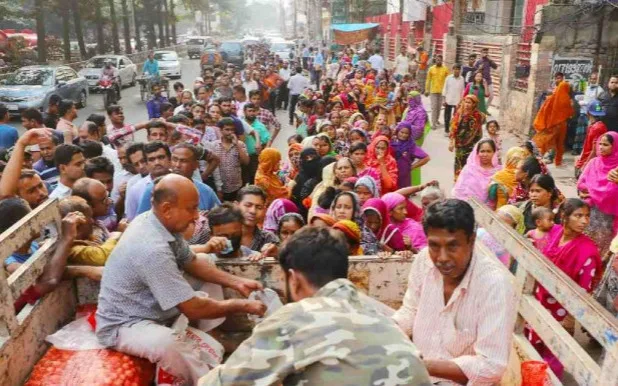
- The agency currently sells subsidised soybean oil, lentils, sugar, chickpeas and dates to 72.54 lakh active Family Card households through 6,438 dealers.
Why it matters
TCB’s subsidy burden is tied to the way its social protection system works: it buys essential goods at market prices, then sells them below procurement cost so families can afford them. That gap created 73% of the agency’s subsidy burden in FY26, while loan interest added another 18.19%, including Tk457 crore in interest costs that year. TCB’s proposed model targets those costs through direct procurement and cheaper financing, while profits from commercial products would give it another source of money to help keep subsidised essentials affordable.
What we think
While TCB works on commercial expansion, it also has to prioritise introducing stronger controls over who gets access to its subsidised essentials. The Consumer Association of Bangladesh has warned that middlemen and third party resellers could buy subsidised items to resell them for profit. This cannot be allowed to go unchecked, as it would defeat the purpose of having a social protection scheme in place if households that actually rely on TCB are left without essential goods for sustenance and daily life. Therefore, monitoring purchases will be important moving forward, especially considering that the programme currently serves 72.54 lakh active family cardholder families.