Trivedi’s Reset Bid
Amid strained bilateral ties, Indian High Commissioner Dinesh Trivedi’s maiden meeting with Bangladesh Prime Minister Tarique Rahman highlights a delicate diplomatic balancing act: navigating Dhaka's firm demands for Hasina's extradition while attempting to preserve vital economic and strategic cooperation.
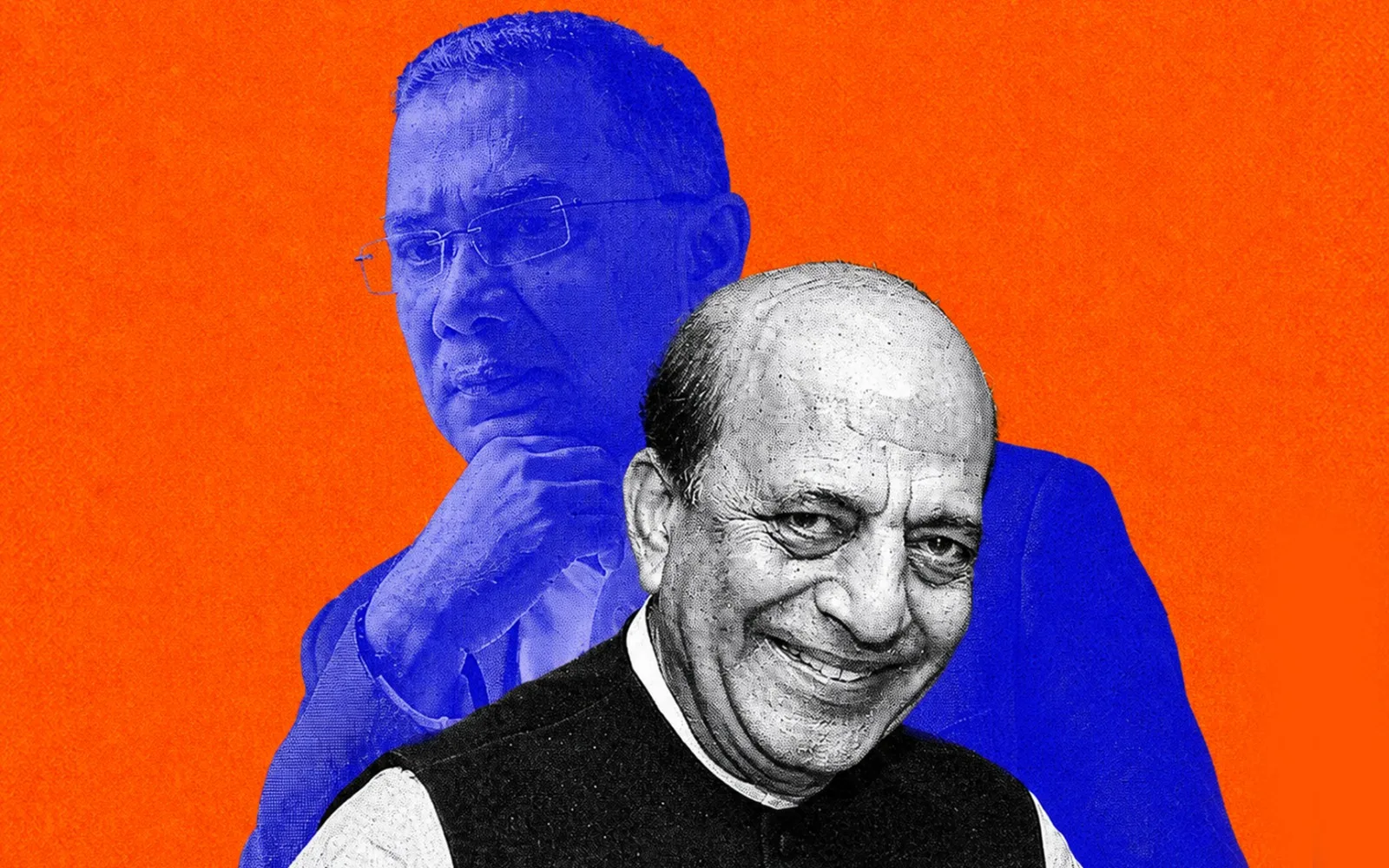
In a Nutshell:
- Indian High Commissioner Dinesh Trivedi made his first courtesy call on Prime Minister Tarique Rahman at the Prime Minister's Office in the Bangladesh Secretariat around 11am on Monday, after taking office in Dhaka in June, with Foreign Minister Khalilur Rahman and PM's Foreign Affairs Adviser Humaiun Kobir also present.
- Speaking to reporters afterward, Trivedi said Indian Prime Minister Narendra Modi is "looking forward to" a visit by Tarique Rahman and described the talks as a positive, people-to-people exchange rather than a formal diplomatic exercise.
- Bangladesh asked India to expedite the extradition of former prime minister Sheikh Hasina. Dhaka also reiterated its request for the return of suspects accused in the killing of Shaheed Osman Hadi.
- Trivedi separately called on Home Minister Salahuddin Ahmed the same day, extending his diplomatic outreach beyond the prime minister.
- Prominent Indian outlets consistently framed the meeting as occurring "amid tension" or a "row" over Hasina, pushing a narrative that India is proactively pursuing reconciliation despite the friction — The Hindu and Rediff/ANI both led with the "amidst tension" framing, The Week and NDTV tied the meeting directly to the Hasina row and BRICS-attendance uncertainty, CNBC-TV18 and India Today emphasized "fresh strain in bilateral ties" as the backdrop, while regional outlets like Northeast News and Navbharat Times pushed a softer, cooperation-focused narrative highlighting Bangladesh's diesel request and framing India as a resource partner rather than an adversary.
Why it matters
The meeting tests whether Bangladesh and India can separate high-salience political and judicial disputes from the wider bilateral relationship. Hasina's continued presence in India has become both a legal demand for Dhaka and a potent symbol of political mistrust — an irritant sharpened by her recent virtual address, which prompted a Bangladeshi adviser to warn Trivedi directly that such activity could undermine progress. The Hadi case adds a specific law-enforcement dimension, now also touching the Home Ministry given Trivedi's same-day meeting with Salahuddin Ahmed. The divergence in framing itself is notable: Bangladeshi outlets are largely testing India's sincerity and sovereignty-respect, while Indian outlets are testing whether Dhaka can move past the Hasina episode toward cooperation. India's response will influence perceptions of its respect for Bangladesh's sovereignty; meanwhile, sustained dialogue remains essential to protect cooperation on trade, connectivity, security, water, energy and border management.
What we think
The trade-off is real: excessive public escalation could narrow space for cooperation with a major neighbour, but prolonged ambiguity risks domestic perceptions that accountability claims lack resolve, especially with Hasina's political activity from Indian soil unresolved. A parallel agenda of economic engagement — including energy requests like the diesel ask — and people-to-people ties can preserve leverage and reduce the chance that one dispute defines the entire relationship.