In a Nutshell:
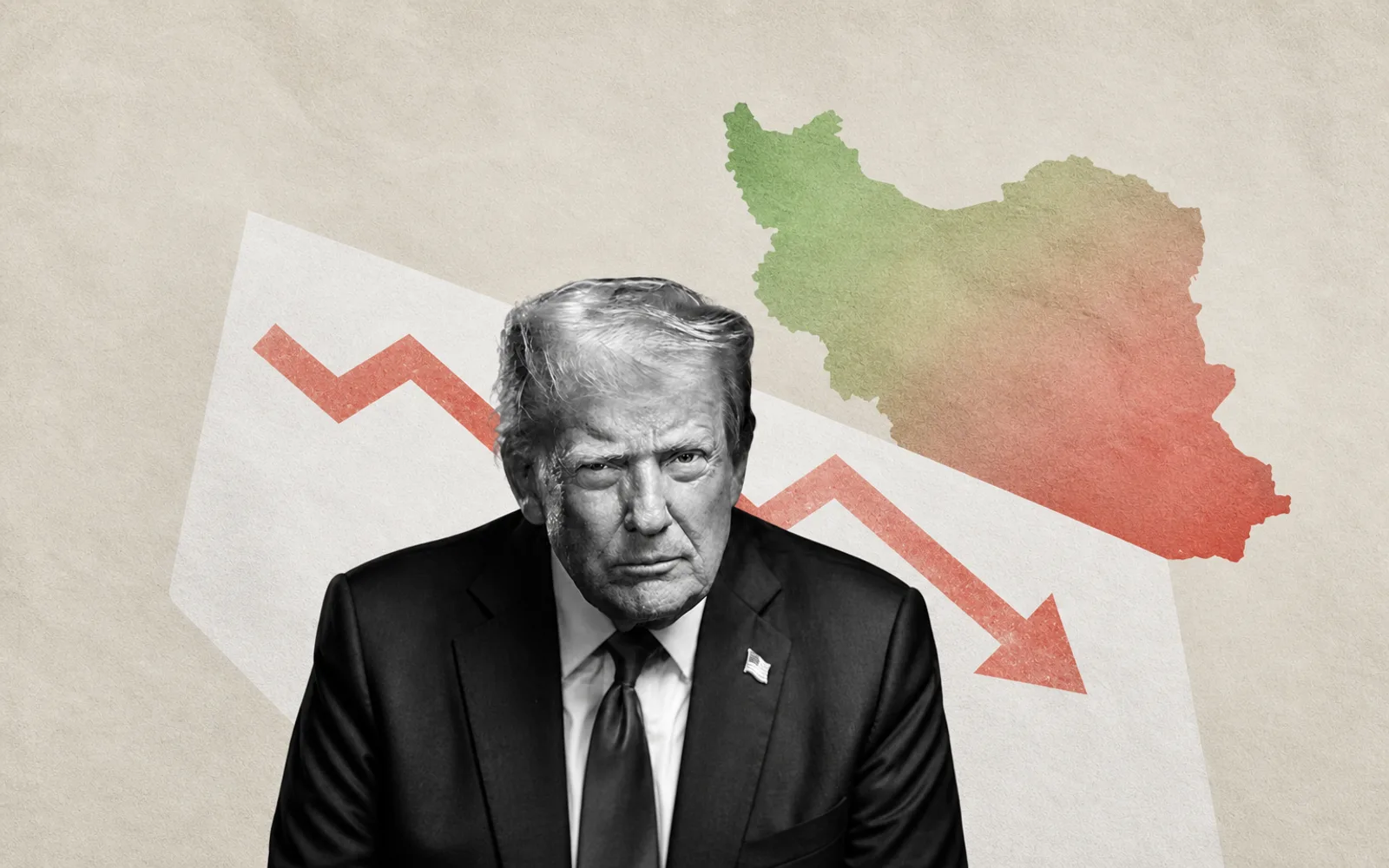
- Donald Trump threatened unspecified “tremendous” economic consequences for any country whose banks, companies, airports or state bodies provide Iran with a financial or commercial “lifeline.”
- The warning comes nearly six months into a US-Israel war with Iran that has killed thousands and widened across the Gulf, disrupting markets and shipping through the Strait of Hormuz.
- Two ceasefire arrangements announced in April and June failed to restore durable shipping security through Hormuz, despite Israel largely reducing its direct involvement.
- The UAE suspended trade, commercial exchanges and financial transactions with Iran after saying Iranian missiles had fallen into the sea near its territory; Tehran rejected the allegation.
- China is Iran’s dominant oil customer, buying more than 80 per cent of its seaborne oil exports in 2025, making any expanded US economic campaign potentially consequential for US-China relations.
- US messaging on diplomacy appears inconsistent: Trump said talks were not taking place, while special envoy Jared Kushner said negotiations remained active and had intensified.
- Washington is seeking control over Iran’s highly enriched uranium and a tighter nuclear agreement, while Iran says its nuclear programme is peaceful and rejects negotiations framed as surrender.
Context
The reported threat represents a potential move from direct military confrontation toward broader secondary economic pressure: penalising third countries and institutions that continue to maintain commercial, financial, logistical, or energy links with Iran. Iran has operated under extensive US sanctions since the 1979 Islamic Revolution, but the new formulation could widen exposure to Gulf states, oil buyers, shipping intermediaries, and banks that facilitate otherwise routine transactions. The Strait of Hormuz is central to the crisis because it carried about one-fifth of globally traded oil before the war. Disruption there affects not just Iran and the Gulf but Asian importers, energy prices, insurance premiums, shipping routes and global inflation expectations.
Why it matters
Trump’s warning raises the prospect that the conflict’s economic perimeter could spread far beyond the battlefield, forcing governments and firms to choose between maintaining links with Iran and retaining reliable access to the US market and financial system. The immediate strategic objective appears twofold: constrain Iran’s ability to finance the war and force concessions over enriched uranium and nuclear research. Yet broad, undefined threats of sanctions also create uncertainty among states that could otherwise mediate, including Gulf countries with security ties to Washington but commercial and diplomatic channels with Tehran. The UAE’s suspension of Iran-related activity illustrates how quickly regional actors may recalibrate when they fear military spillover or US pressure. The most consequential variable is China: as the buyer of more than 80 per cent of Iran’s oil exports, Beijing is critical to Tehran’s export revenue, but more aggressive coercion could invite retaliation that affects trade, supply chains and strategically important rare-earth minerals. Meanwhile, contradictory US statements about whether talks are underway risk weakening diplomatic credibility and complicating de-escalation. If Hormuz remains insecure, energy-market volatility could persist even without a large escalation in direct fighting, embedding higher transport and insurance costs across global commerce.
What we think
The situation is primarily relevant to Bangladesh in terms of energy security, trade finance, and maritime risks. As an import-dependent economy, Bangladesh remains exposed to higher costs of crude oil, LNG, fertiliser, freight, and marine insurance if instability around the Strait of Hormuz persists. Short-term fuel stock and foreign-exchange planning, alongside mapping importers’ exposure to Gulf shipping routes, could help identify vulnerabilities. Potential risks involving suppliers, insurers and correspondent banks under tighter US sanctions policies also require monitoring. Bangladesh should also assess exposure to restricted Iranian trade through banking, ports, aviation, trans-shipment and payment channels, while maintaining clear documentation for legally permissible transactions. Diplomatically, Bangladesh’s interests remain centred on de-escalation, freedom of navigation and negotiations, while avoiding alignment with rival blocs. Energy diversification and resilient shipping and payment systems could further reduce future exposure.