POLITICS
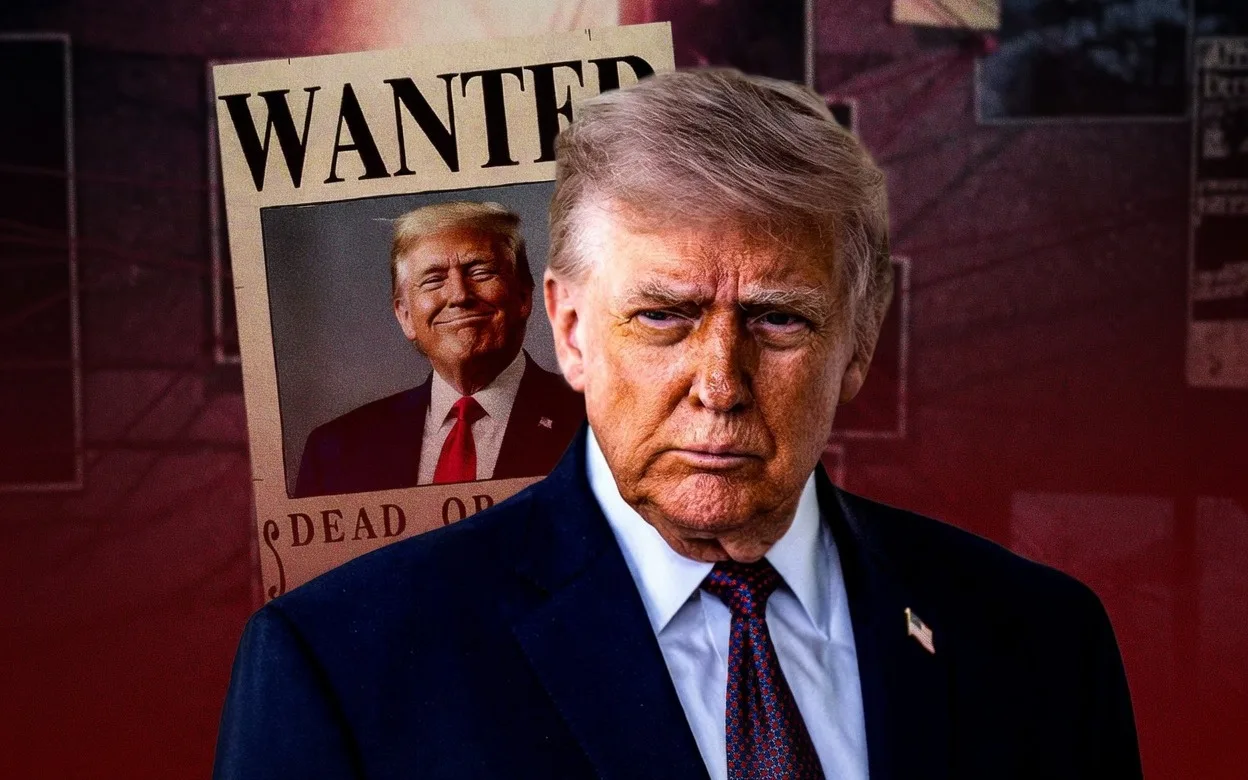
Trump says he remains Iran’s number 1 assassination target after ceasefire breaks down
Trump says he remains Iran's top assassination target as a ceasefire appears to collapse, amid attacks on shipping and rising oil prices.
Collected
BIONIC READING
In a Nutshell:
- Trump told reporters that he believes he remains Iran's leading assassination target, comparing his possible fate to that of Iranian leaders killed earlier in the war. He made the remarks as the ceasefire with Iran seemed to break down.
- The remarks involve Trump and Iran's leadership, whom he characterized in mixed terms, calling them "scum" and "a little crazy" while also acknowledging that his team had negotiated with capable people on the Iranian side.
- Recent Iranian attacks on shipping in the Strait of Hormuz have led to renewed US airstrikes and further threats from Trump to widen the conflict.
Why it Matters
This marks the breakdown of a shaky diplomatic deal and a dangerous return to open conflict between the United States and Iran. The disruption puts key oil shipping routes at risk, sending immediate financial shocks around the world.
- A US president openly stating he is an active assassination target, while a ceasefire is falling apart, signals serious instability in relations between the two countries.
- The halt in tanker traffic through the Strait of Hormuz strains global supply chains, introducing severe inflationary pressures that could force global central banks to raise interest rates and slow down international economic growth.
- In the short term, renewed airstrikes and threats of escalation raise the risk of a wider conflict. Over the longer term, the situation could keep energy markets unsettled and deepen hostility between Washington and Tehran.
Who it matters to
The deterioration of US-Iran relations creates cascading operational and economic challenges for local and international entities alike.
- Oil traders, shipping companies, and everyday consumers are heavily impacted by the immediate 5% spike in Brent crude prices, facing higher shipping risks and increased energy costs due to frozen traffic in the Strait of Hormuz.
- The attacks in the Strait of Hormuz and the rise in oil prices show how the conflict can affect economies and consumers well beyond the region.