US and Iran Hold Mediated Talks at UNGA Over War and Strait of Hormuz
The United States and Iran held hours of mediated talks on the sidelines of the UN General Assembly, focusing on ending the war and reopening the Strait of Hormuz. The discussions came shortly after US President Donald Trump again warned of further military escalation, while Washington described the meeting as productive and said diplomacy remains possible.
In a Nutshell
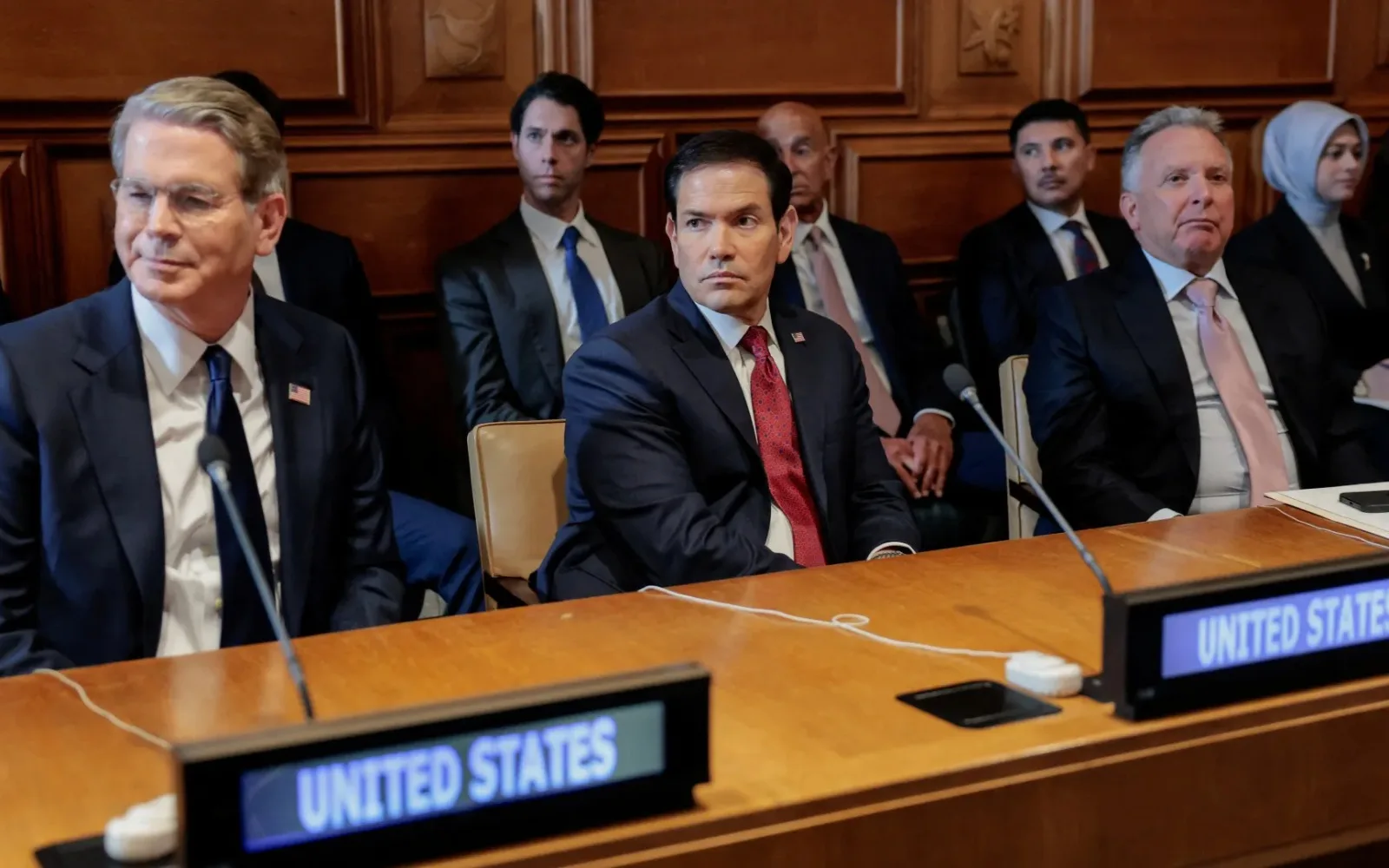
- US and Iranian officials held hours of indirect talks through mediators during the UN General Assembly in New York.
- US special envoy Steve Witkoff said mediators moved between the two delegations throughout the discussions.
- President Donald Trump described the meeting as “very good” and “very productive”, saying there was momentum towards an agreement.
- Iranian officials said discussions focused on conditions including lifting the US naval blockade and reopening the Strait of Hormuz within seven days if US military pressure is eased and the blockade on Iranian ports is lifted.
- The talks took place shortly after Trump warned that he faced a choice between reaching a deal with Iran and further military action.
- Before this the US had granted visas to Iranian President Masoud Pezeshkian, Foreign Minister Abbas Araghchi but other members of Iran’s wider delegation were denied visas and faced additional restrictions.
Context
The discussions came after months of war between the US and Iran and continued disruption around the Strait of Hormuz, one of the world's most important energy routes.Although it was not a direct meeting between Trump and Pezeshkian. US and Iranian officials communicated through mediators, although Iranian state media confirmed that Araghchi and Witkoff met after weeks without direct contact. Qatar, Pakistan, Oman and Türkiye have all been involved in efforts to reduce tensions and bring the two sides back towards negotiations.
Washington is still publicly presenting negotiations as a route towards ending the conflict, while Tehran has also kept a diplomatic channel open. But the two sides are approaching the talks from very different positions, with Iran tying progress to the lifting of military and economic pressure and the US continuing to emphasise its own security demands.
Why It Matter
During his UN General Assembly address, Trump issued a warning saying he faced a choice between reaching an agreement that would allow Iran to rebuild and taking further military action against the country. Iranian military officials responded by warning of a stronger response to any new attack.
Just hours after the warning, talks between the US and Iran took place through mediators. Not only did it describe the discussions as productive, but it also pointed to momentum towards an agreement, while Iran has continued to emphasise its own conditions for reopening the Strait of Hormuz and ending the conflict.
What We Think
Despite Trump’s harsh threats and petty US visa restrictions, key negotiators from Washington and Tehran are still managing to meet. However, these mixed signals are seriously damaging trust at a critical moment for the peace talks.
With direct US-Iran diplomacy getting bogged down in symbolic drama, progress feels incredibly fragile right now. Because of this ongoing friction, the real hope for cooling tensions might actually come from elsewhere.
Keep an eye on Qatar’s quiet security proposal, which could end up being the most realistic path forward.