From crawling to cricket
A polio survivor who helped build Bangladesh’s wheelchair cricket movement is now pushing for public spaces that do not force wheelchair users to adapt alone.
Reading
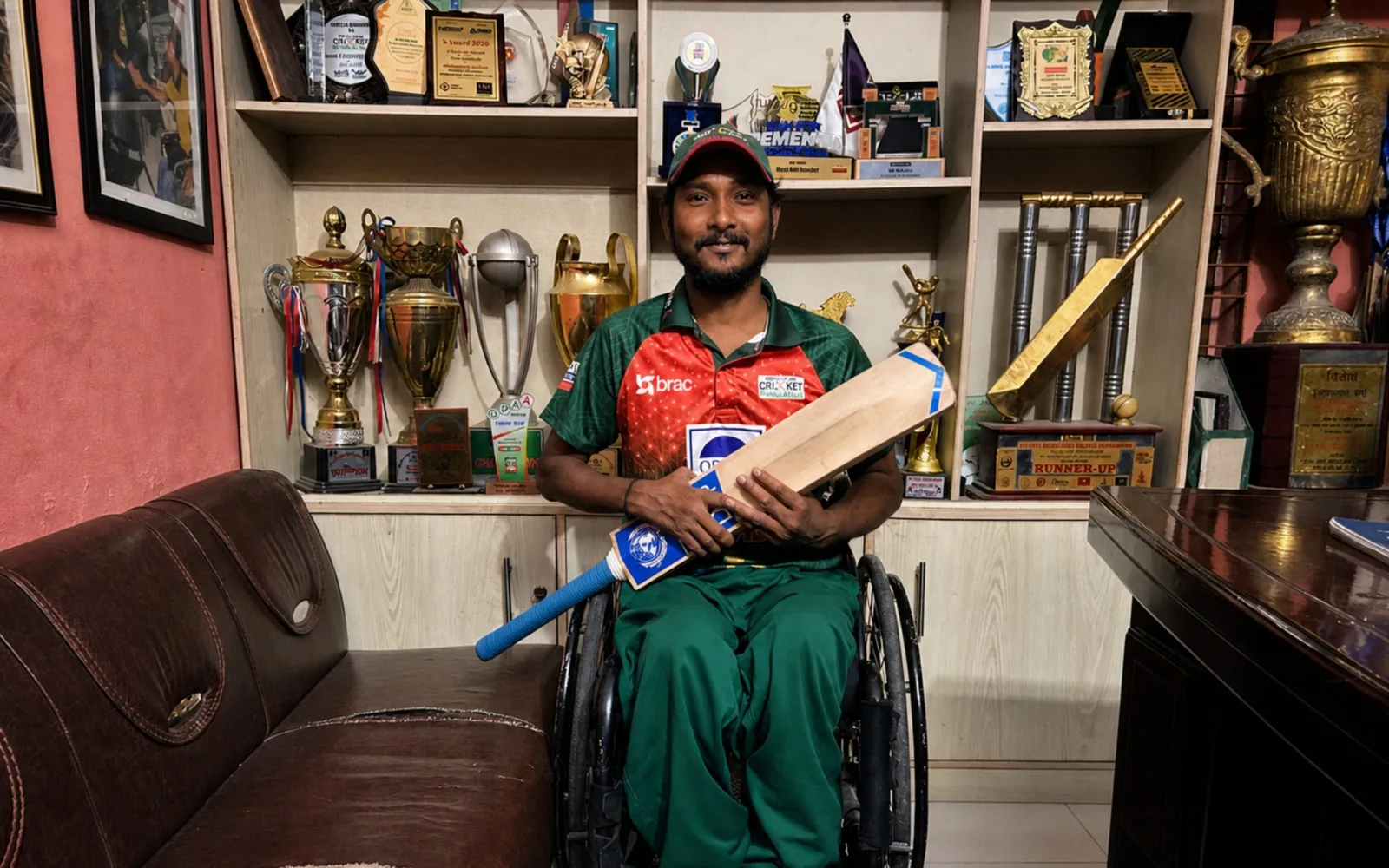
“We organised Bangladesh’s first national tournament under my leadership. Then, in our first international tournament, we won the series against India 2–1. I have become old now. Playing in a World Cup is my dream. I want to play in the World Cup and then retire.” Mohammad Mohasin recalls the highlights of his career. We’re sitting in his office, surrounded by memorabilia marking his achievements.
When I was searching for his house in Tongi, I had struggled to get through the muddy, broken roads, some of them narrow and bumpy. These are things we have become accustomed to, while living in Dhaka, but because of who I was going to speak to today, I became freshly aware of these obstacles.
After somehow finding my way through the maze of roads, I saw Mohasin looking for us through the window, welcoming us with a wide smile.
A room full of achievements
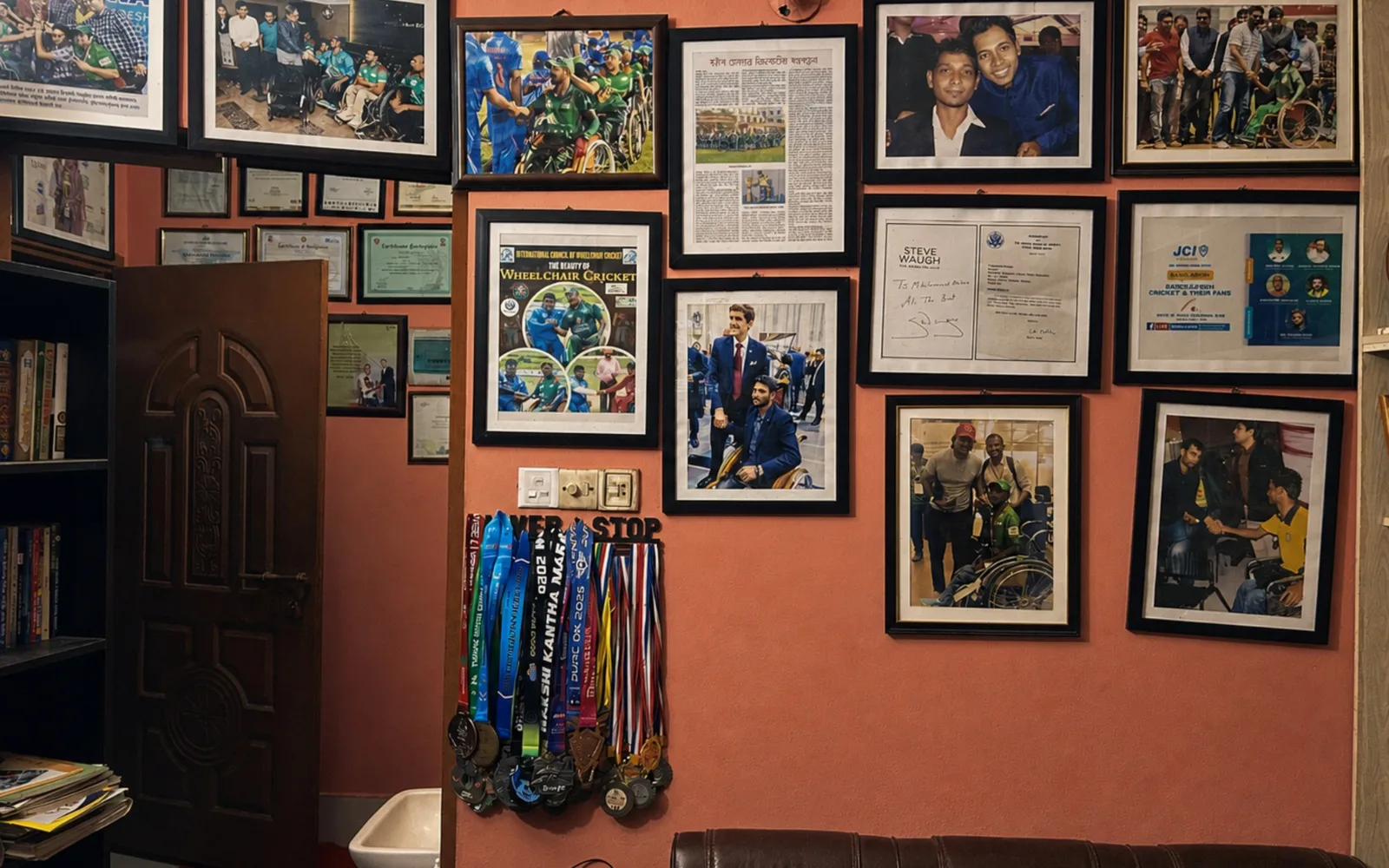
When I entered, I was greeted with a smile. Mohasin was sitting in front of his PC in his office, where he handles the communication and planning for his team. The walls around us were covered with signs of his long and successful sporting career: trophies from international tournaments, medals from cricket and marathons, photographs and newspaper cutouts of his achievements. At first glance, there was little that spoke to how difficult the journey behind those achievements had been.
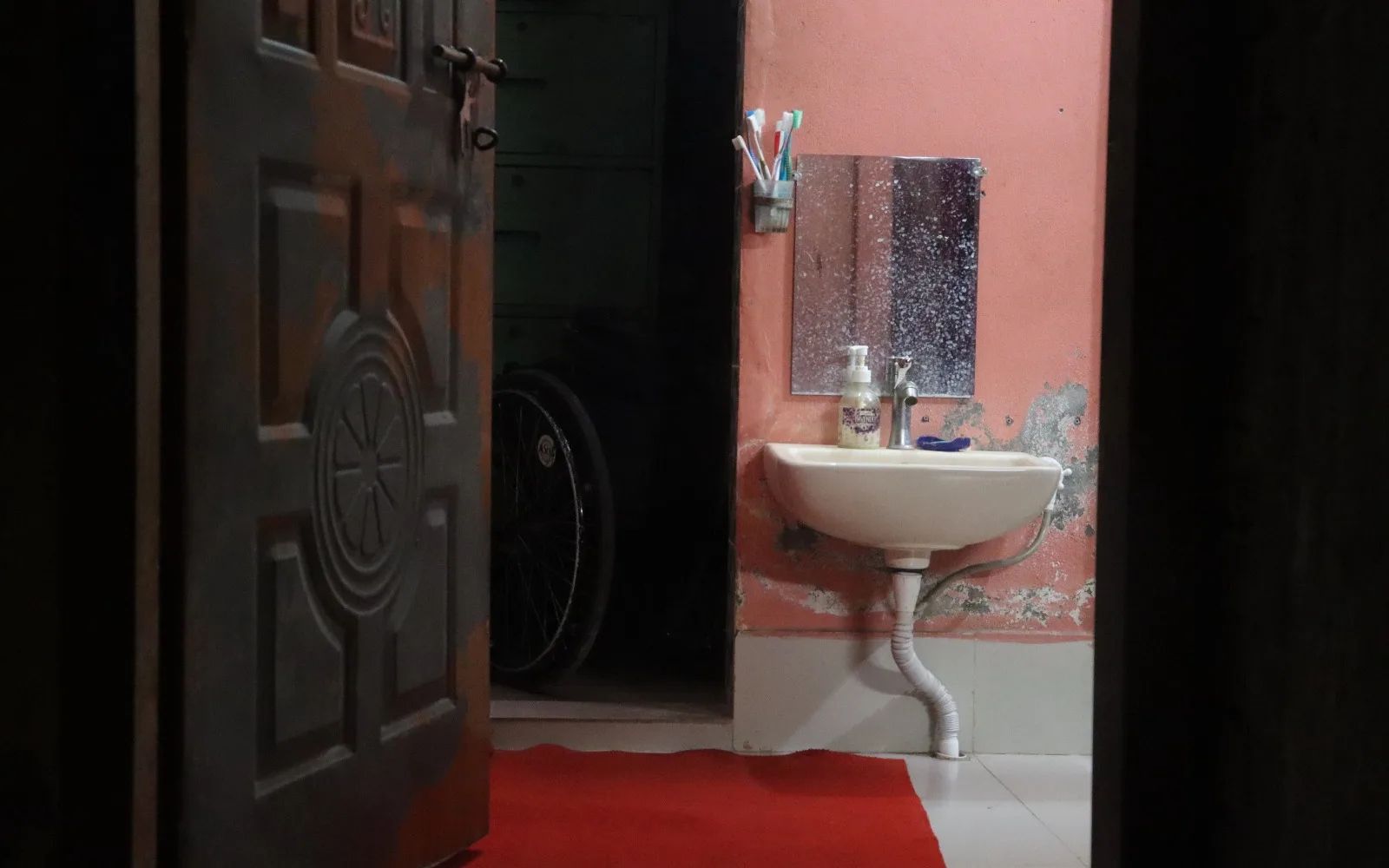
One small detail in the room caught my attention. The washbasin was lower than usual, positioned at a height that allowed someone sitting in a chair to use it comfortably. It was not an accident of construction. It was one of several small changes Mohasin has had to incorporate to make the space usable for himself and others like him.
That small adjustment offered a clue to a part of Mohasin’s life that was not immediately visible. He has been with a physical disability since infancy. He contracted polio when he was six months old, and his legs never developed the muscles needed for him to walk. He has never been able to walk.
Growing pains
The physical limitations were not the only thing that shaped Mohasin’s childhood. The way people around him viewed his disability became another barrier. “He is the result of their parents’ sins.” “People with disabilities are enemies of Allah.” “What is the point of educating him?” These are comments his family has had to hear. Others told them to abandon him. But his mother refused to accept that her son should grow up believing he was incapable of living a normal life. Instead, she encouraged him to work, go outside and do things like everyone else. His younger sister was protective of him too. Whenever someone made hurtful comments about him, she became upset.
His friends also helped him find a way into something he loved: cricket. There was a field near his home where local boys played. Mohasin watched them and gradually began playing with them. He had no wheelchair then. After Bangladesh won the Champions Trophy, he became more fond of cricket. He moved by dragging himself with his hands and played cricket sitting on the ground. Sometimes his trousers got ripped while he crawled. His mother sewed them back together. When his friends went elsewhere to watch cricket, they carried him on their shoulders so that he could go with them.
As he grew older, the barriers followed him beyond the cricket field. His college was far from home, and travelling there regularly was difficult, so he often had to skip classes and attend only the exams. His family eventually helped him start a flexiload business so that he could earn a living while continuing his studies and cricket.
Building a team from scratch
Cricket remained part of his life. He used to post some of his cricket moments on Facebook, which caught the attention of Harunur Rashid Khan, an Indian disability-cricket organiser, who asked whether Bangladesh had a cricket team for people with physical disabilities.
After contacting several organisations, he realised there was no proper team for people with physical disabilities in Bangladesh. The question then changed from how he could continue playing cricket to how people like him could play it together.
With support from CRP and other organisations, Mohasin began gathering players from across the country. Around 65 players were brought together through a national talent hunt, from which a team was formed. Through his connections, the Indian disability cricket team came to Bangladesh to play the country's first series. Mohasin had initially been named captain. But when the match began, he was no longer in the team.
He had helped create a team for people who had been excluded from cricket, only to find himself excluded from it.
Creating space for excluded players
When CRP did not continue the initiative, Mohasin approached BCB and other organizations. Eventually, with the help of engineer Maksudur Rahman and others, he formed the Cricket Association for the Physically Challenged and organised another national talent hunt.
Then came an invitation to play the Taj Mahal Trophy in India. But there was only one problem left: money. Mohasin sold the flexiload business to help fund the players’ passports and travel. With additional support from sponsors, they travelled to India by road and returned with something bigger than the trophy they had gone there to win: Bangladesh won its first international disability-cricket series, 2–1.
They came home with the trophy expecting someone to notice. But after returning, the victory received little immediate recognition. There was no reception at the airport, no one came to check. The team later received an invitation to the former Prime Minister’s Office. Each player was given Tk 1 lakh, while the organisation received financial support.
For Mohasin, it seemed like wheelchair and disability cricket could finally grow. But another setback soon followed.
When wheelchair cricket was left behind
The International Committee of the Red Cross (ICRC) asked Mohasin to help identify players with disabilities. He gathered players from across the country and joined a training program organized with BCB.
On the final day of the program by ICRC, the organisers decided that wheelchair users would not be allowed to play in the disabled cricket team because of concerns about injuries. Mohasin objected. He had already played cricket from a wheelchair and believed the game could be made safe with proper equipment and rules. He was overruled.
Not one to be deterred, he decided to build a separate space for wheelchair users. In 2014, he formed the “Wheelchair Cricket Association of Bangladesh” and began working specifically on wheelchair cricket. With support from Imago Sports Event Management and Purnava, he organised the country’s first national wheelchair cricket tournament, bringing together 32 players from four divisions.
He then pushed India to form its own wheelchair team instead of only relying on disabled cricket, and the game gradually spread to other countries, including Pakistan, Nepal, Sri Lanka.
After that, India’s wheelchair team came to Bangladesh for a series and the Bangladesh Wheelchair Cricket Team won their first-ever international series 2–1.
Once again, Mohasin had found a way into a space that had not been designed for him and then started creating that space for others.
The barriers beyond the boundary
Cricket is now only one part of Mohasin’s life. On most days, he wakes up, gets his daughter ready for school and spends the morning with friends over tea and conversation. He picks her up around noon, returns home, eats and works from his office. In the evening, he goes out again, often meeting neighbours and friends before returning home at night.
He rides his motorcycle for regular transportation. Folding his special sports wheelchair allows him to carry it on the bike. A regular wheelchair, he says, would make travelling by motorcycle or CNG much more difficult.
Inside his home, many things have been adjusted around the way he moves. The washbasin is low, switches are within reach and the bathroom has been modified. A ramp leads to the front gate, while a portable wooden ramp is kept for his office. But these adaptations are mostly things he has made for himself.
The larger problem, he says, is that public spaces are still rarely designed with wheelchair users in mind. He has faced inaccessible roads, transport, railway stations, toilets and even aircraft boarding areas.
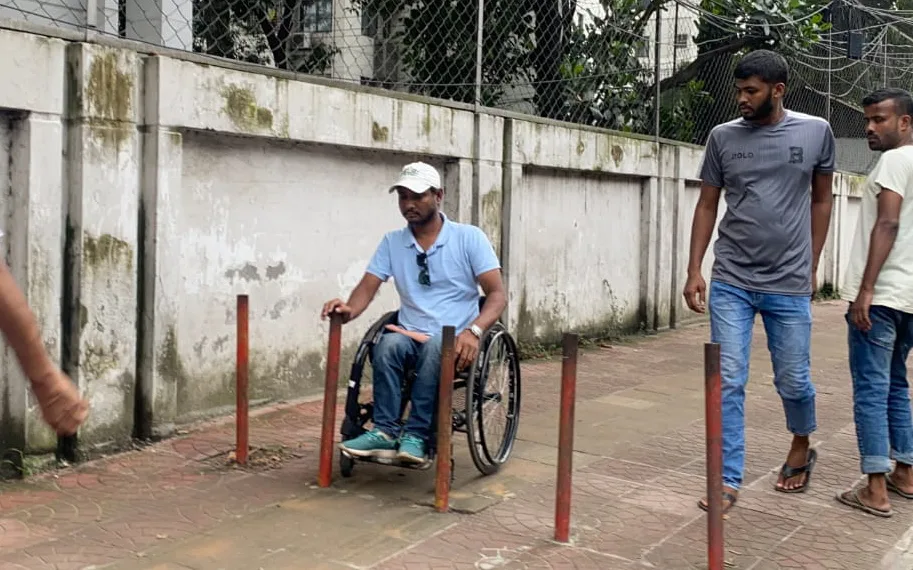
That is why much of his work now extends beyond cricket. He regularly works with disability organisations and advocates for accessibility, while continuing to train and organise wheelchair cricketers.
His own life has become a series of adjustments. The question he keeps returning to is whether everyone should have to make those adjustments alone.
The people who stood beside him
Mohasin is aware that his story is also shaped by the people who stood beside him. “Family support is the most important thing. Some people think, ‘He won’t be able to do anything.’ I refuse to accept that,” Mohasin said. His mother pushed him to go outside when others told his family to give up on him. His friends carried him to cricket matches when he could not get there himself. His wife has supported him since their marriage in 2009, despite the questions her family initially faced about whether he could marry and have children. His daughters have grown up seeing his work as part of everyday life and they are proud of him.
But he does not believe everyone with a disability gets the same support. “If someone with disability doesn’t do anything, he ends up hearing negative things from his own family. And eventually, he starts believing them too,” he said. “If someone doesn't have a supportive family, friends or the financial ability to keep trying, what happens to them?” is the question behind much of his work.
Family support is the most important thing.
The way people see Mohasin has also changed. He remembers a time when people looked at him and saw only his disability. Some questioned whether he could study, work or build a family. Today, the same society often treats him differently because of what he has achieved.
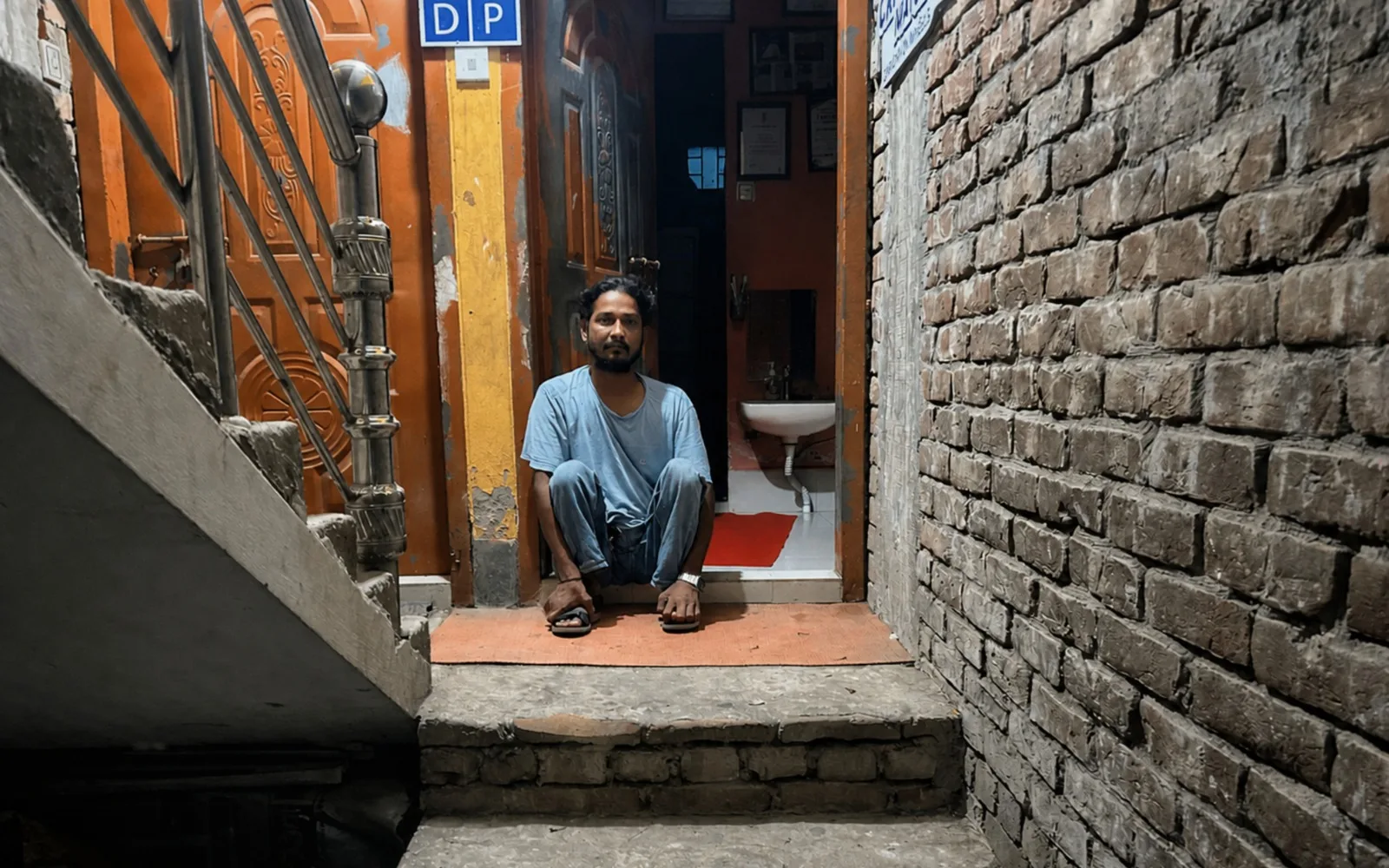
Mohasin himself is conscious of the difference. He says his achievements and public recognition have given him a value in people’s eyes that he did not have before. The wheelchair has not changed, but the way people respond to the person sitting in it has.
That recognition has also given him a platform to do more. During COVID-19, he used his Facebook network to form Team Mohasin and help vulnerable people with disabilities and others in need.
Dignity beyond achievement
For Mohasin, that change is telling. His achievements gave people a reason to look beyond his disability. But he does not want acceptance to depend on what a person achieves. A wheelchair user should not have to become a national team captain, win an international tournament or build a public reputation before being treated with dignity.
For Mohasin, accessibility is not only about ramps or wider doors. It is about whether a person can reach school, get on a bus, use a toilet, travel to work or participate in sport without having to depend on someone else at every step. He has spent much of his life finding ways around those barriers. Now he wants the barriers themselves to change. He has adapted many of them. He has learned how to move, travel, work, raise a family and build a career in a world that was rarely designed with him in mind.
Yet he does not want adaptation to remain the only answer. A person should not need an unusually supportive family, determined friends or years of persistence just to live a normal life.
Mohasin's wheelchair may be the most visible part of him when he enters a room. But after years of watching him work, organise and build, perhaps the more important question is why the room was not ready for him in the first place.