Catching the Couriers, Missing the Kingpins
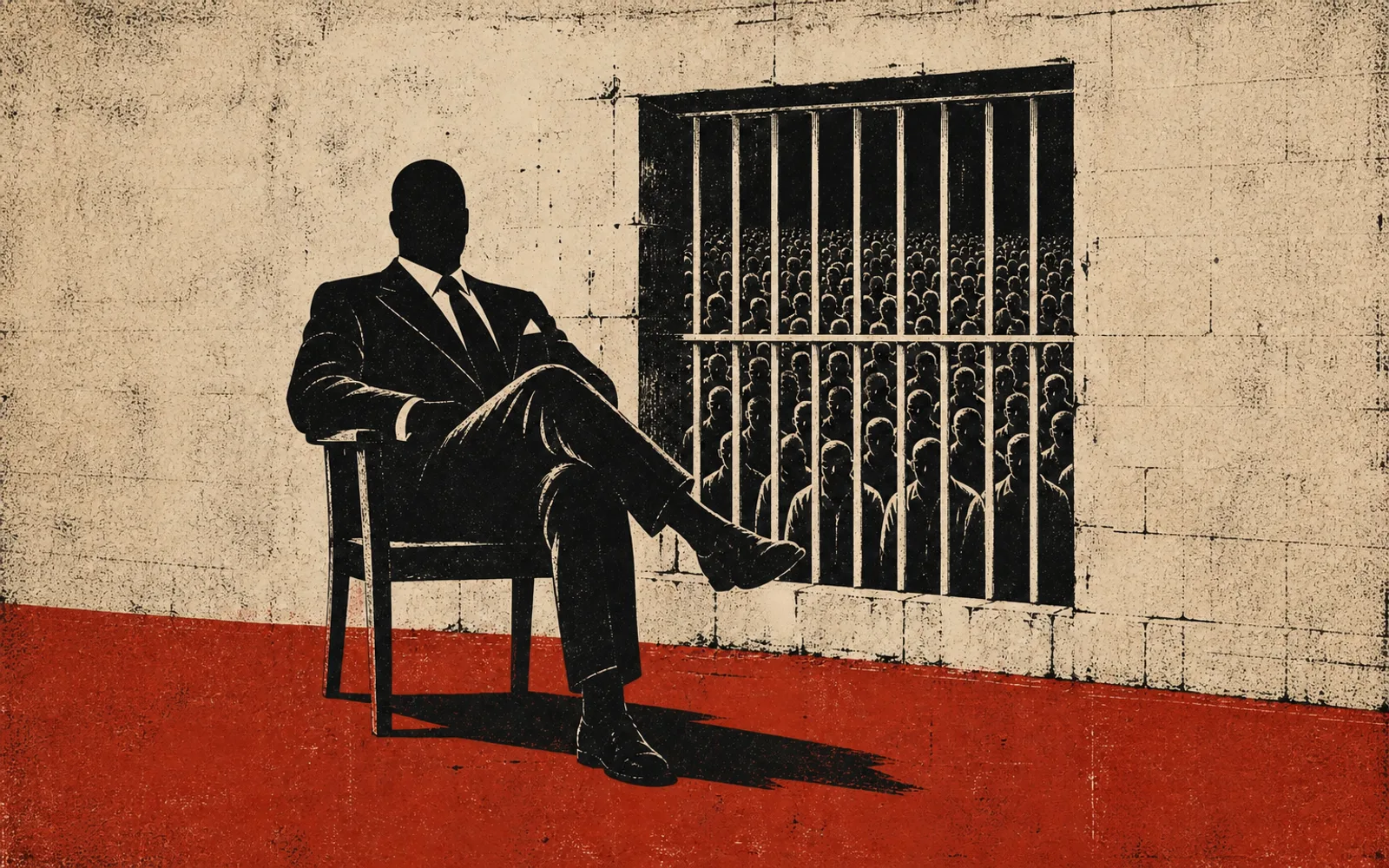
Despite nearly 142,000 arrests and millions of seized yaba pills, law enforcement data reveals that operations overwhelmingly net street-level peddlers while the 1,620 named "godfathers" financing the multi-billion-taka illicit pipeline remain largely untouched.
In a Nutshell:
- Since May 1, 2026, a massive nationwide police drive has resulted in the arrest of nearly 142,000 people. Officers have seized 325 illegal guns and more than 9.12 million yaba tablets, along with heroin, weed, and cough syrup.
- Since the new government took over, police have run over 40,000 anti-drug operations and filed more than 12,000 cases against suspected dealers across the country.
- In a recent push against yaba, operations recovered over 9.12 million pills, filed 17,066 cases, and arrested 24,821 suspected drug offenders.
- 2025 DNC data shows yaba seizures surged to 43.5 million tablets (up 91 per cent from 2024), while cannabis (96,358 kg), heroin (337 kg), Phensedyl (319,940 bottles) and cocaine (15 kg) seizures all fell.
- Despite these huge numbers, the real bosses aren't getting caught. During a month-long drive in 2024, out of 1,200 arrests, only 11 were considered top "godfathers." The government has a list of 1,620 known drug lords, but it is still unclear how many have actually been captured in 2026.
- In July 2026, Parliament passed a new law that keeps the death penalty for major drug crimes and expands it to cover online drug sales. Now, a person can be convicted using just digital evidence, even if police never find physical drugs.
- This new law also gives drug control officers a lot more power. They can now carry guns on duty, run their own jails, investigate cybercrimes, and conduct independent raids at borders, ports, and airports.
- Home Minister Salahuddin Ahmed promised to create a fair list of top drug bosses. He warned that any police officers caught helping drug gangs will be punished, no matter who their political friends are.
Context
When the new government took office in early 2026, it promised to crack down on drugs. By April, drug officials named 1,620 "godfathers" who control over 20,000 dealers across the country. By July, lawmakers passed a strict anti-drug law giving agents guns and allowing the death penalty for online trafficking. However, even with record-breaking arrests and millions of seized pills, the vast majority of those caught are low-level street dealers, not the mastermind organisers.
Why it matters
This is a major test for the new government. Can they actually stop the drug trade, or are they just arresting low-level players to make good headlines? Yaba is incredibly cheap to make and easy to smuggle across the Myanmar border, making it the most popular drug in the country. Because dealers now use secret apps and crypto to hide their money, the government gave drug agents sweeping new powers and the threat of the death penalty. But history tells a different story: past crackdowns mostly locked up poor street couriers while the rich financiers walked free. If the big bosses stay untouched, they will just hire more couriers, and the drug trade will continue. The real test for the government is whether they will use these harsh new laws to catch the true organisers.
What we think
The most important thing to watch is who actually goes to jail. Arresting 142,000 people and seizing 9 million pills sounds impressive. But we have seen this before. If only a tiny fraction of those arrested are the actual drug lords, the system is built to catch the little guys instead of stopping the root of the problem. The new law is also a massive expansion of government power. Allowing people to be sentenced to death based purely on digital evidence—without ever finding actual drugs—is a huge deal. Citizens should ask: Will this powerful tool be used to catch the hidden billionaires running the trade, or will it just trap low-level dealers who leave a digital trail? Giving drug agents guns and the power to act completely alone at borders also increases the risk of abuse if nobody is watching them closely. Finally, there is a big contradiction. The government promises to go after everyone equally, regardless of their political connections. But in the past, politically connected figures have often escaped justice. The fact that the amount of yaba seized shot up by 91% in just one year shows that arresting thousands of street dealers isn't stopping the drug supply. That single fact tells you more about whether this "war on drugs" is working than any arrest statistic.