Why is the BJP still using the ‘Naxal’ label after declaring India Naxal-free?
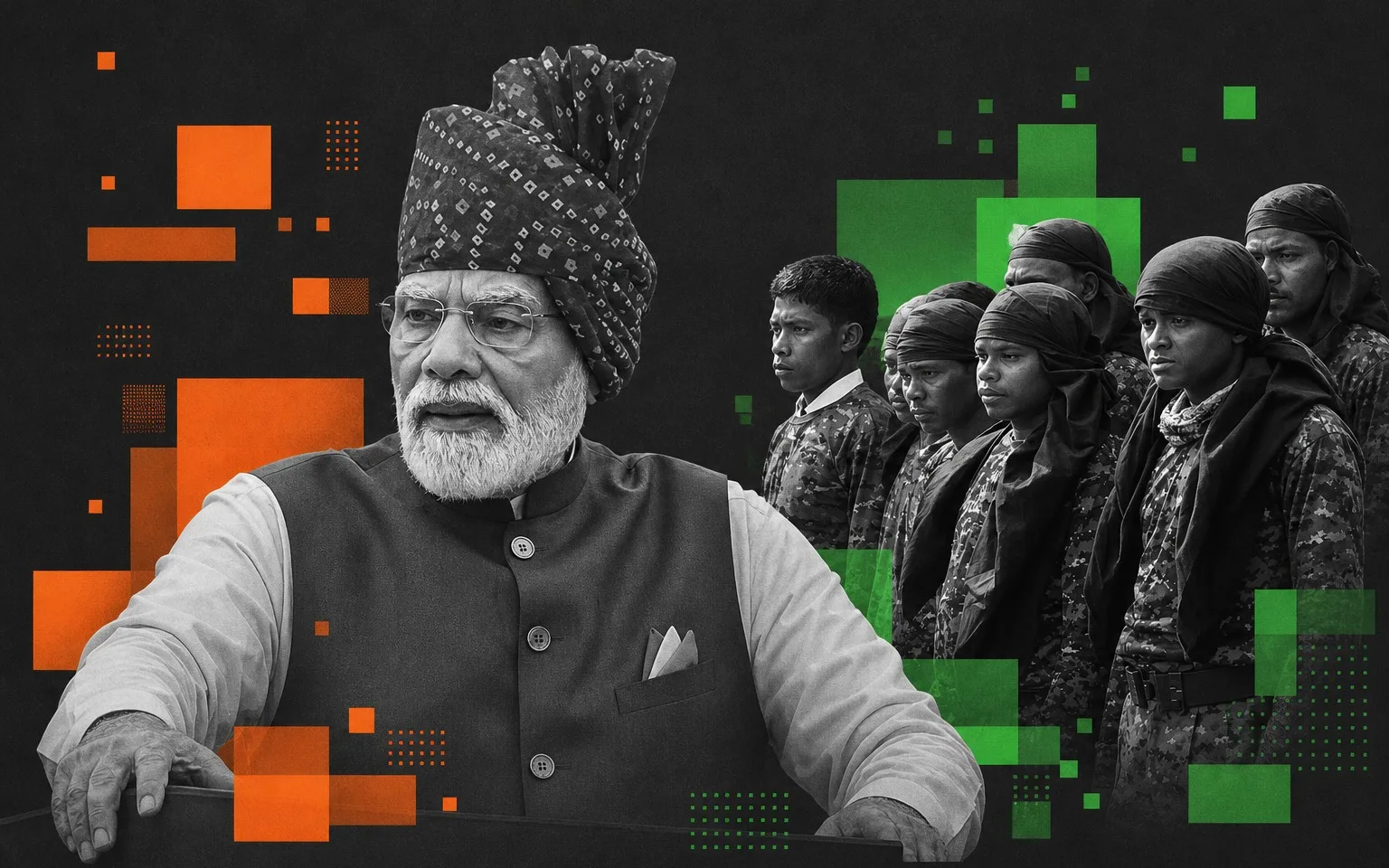
In his Independence Day address from the Red Fort on August 15, Prime Minister Narendra Modi warned that armed Naxalism was nearing its end but said people with a “dimagi naxal” mindset still posed a threat. His remarks drew a sharp response from Congress leader P Chidambaram, who said he was “proud” to be called one.
In a Nutshell:
- Modi said his government had made ending Naxalism a priority since coming into power in 2014 and linked the conflict to more than 3,500 security personnel deaths.
- He said people with Maoist thinking had infiltrated public corridors and were still seeking opportunities to promote violence and unrest.
- Modi urged people to identify and isolate “dimagi naxals” while saying armed Naxalism was now almost finished.
- Member of Parliament P. Chidambaram embraced the label, while Congress accused Modi of reviving the “urban Naxal” language used against political opponents.
- CPI(M), CPI, and TMC leaders also criticised the remark as an attempt to stigmatise dissent.
Context
The warning comes three months after Home Minister Amit Shah declared India “Naxal-free” and credited Prime Minister Narendra Modi with strengthening external and internal security by addressing India’s three major challenges- Jammu & Kashmir, the Northeast and Naxalism. Modi’s remark is also part of the BJP’s wider use of the “urban Naxal” tag against critics and movements, including the Bhima Koregaon case, where activists, lawyers and academics were arrested over alleged Maoist links after police portrayed the 2017 Elgar Parishad gathering as part of a conspiracy against the government.
Why it matters
Modi’s warning against “dimagi naxals” in the Independence Day speech cannot be read in isolation. Rather, it extends from an established political vocabulary the BJP has developed and weaponised for years to paint any form of dissent as a destabilising force that threatens state and public security. The “dimagi naxal” label, therefore, gives the government another way to define who remains dangerous after its military campaign has supposedly succeeded. BJP leaders have previously used the related “urban Naxal” label against activists, academics, intellectuals and government critics, making Modi's Independence Day warning part of an established political language. The Bhima Koregaon case shows the consequences of that language when it moves from political rhetoric into state action. The 2017 Elgar Parishad was a large public gathering involving civil society groups, Dalit and Adivasi leaders and former judges, held before the annual Bhima Koregaon commemoration. Police later alleged, based on an FIR filed by a Pune businessman, that the gathering was connected to a Maoist conspiracy against the government. The subsequent arrests swept up lawyers, academics, activists and human rights defenders, including people who had not attended the gathering. Those accused have spent years fighting the case under UAPA, while the trial has still not reached a conclusion. International human rights groups have repeatedly criticised the prolonged detention and treatment of those accused.
What we think
What is interesting here is that Modi’s right-hand man, Amit Shah, had previously declared India as Naxal free in May. Then, why is Modi going back to this issue now? Further on in the speech, Modi spoke of including AI skills training and free online coaching for competitive exams for students. He did not explicitly mention the CJP protest - one thinks he does not want to antagonise the youth so soon after the movement- but this was potentially the target audience of the “dimagi naxal” speech. It is no secret that the BJP can and has gone after its opponents without impunity in the past, as seen in the Bhima Koregaon case. With eyes on the way the BJP handled the CJP movement both home and abroad, the BJP chose to agree to some student demands, including the resignation of former Education Minister Dharmendhra Pradhan. But, at the same time, it appears the BJP is sending out a warning to CJP organisers and any other future opponents that they are more than capable of delegitimising a movement with the Naxal label and silencing dissent in that way.