Chevron Eyes New Gas Investment in Bangladesh
Chevron is looking to increase its investment in Bangladesh’s gas sector, including exploration of new fields and investment in ageing ones. The latest interest comes from a company whose history is closely tied to the global expansion of the oil industry and the development of Middle Eastern energy resources.
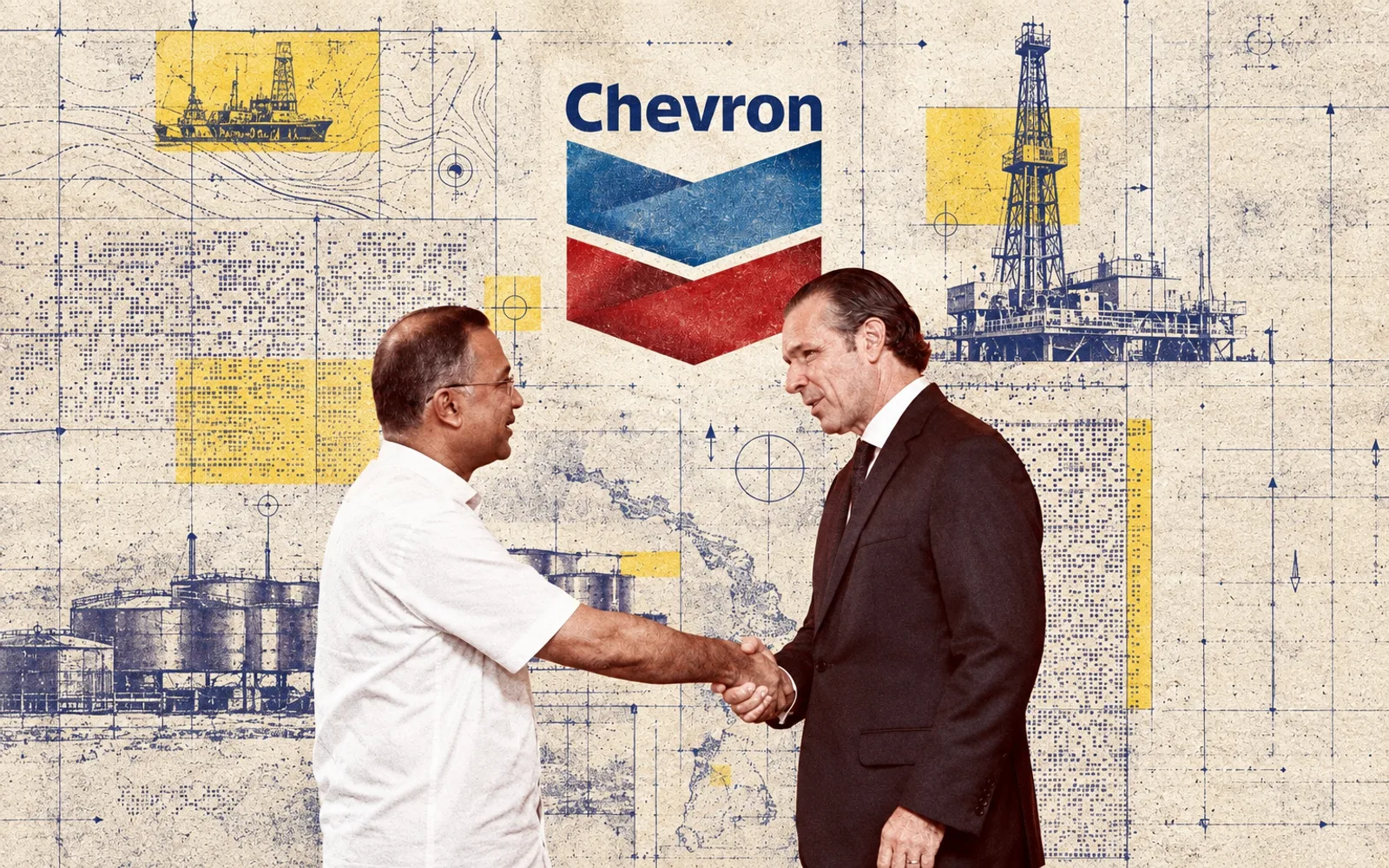
In a Nutshell
- Chevron expressed interest in increasing investment in Bangladesh’s gas sector during a meeting with Prime Minister Tarique Rahman on September 13.
- The company is interested in exploring new gas fields and investing in existing and ageing fields to help meet Bangladesh’s growing energy demand.
- The Chevron delegation was led by Javier La Rosa, president of its Base Assets and Emerging Countries division.
- Chevron Bangladesh President and Managing Director Shu Xiong was also present at the meeting.
- Chevron currently operates Bibiyana, Jalalabad and Moulavi Bazar, making it one of the most important international energy companies operating in Bangladesh.
- The company's Bangladesh story began with its predecessor, Unocal, signing production-sharing contracts in 1995.
Context
Tracing its roots to the 19th century, Chevron became a global energy giant following major 1930s Middle Eastern oil discoveries made by its predecessor, Standard Oil of California. This international expansion eventually reached Bangladesh in the 1990s through Unocal, whose assets Chevron later acquired.
Today, Chevron operates three major gas fields, supplying over half of Bangladesh's domestic natural gas. The strategic importance of this long-standing partnership was frequently championed by former US Ambassador Peter Haas, who advocated for sustained American energy investments to bolster Bangladesh’s economic stability. Now that Bangladesh faces escalating gas demand and severe pressures on its domestic production, Chevron is actively negotiating a new round of investments to help secure Bangladesh's energy future.
Why It Matters
They have been producing gas here for decades, which means any expansion would build on an existing relationship and infrastructure. Now that gas shortages have increased dependence on imported LNG, this may bring in additional domestic gas, extend production from ageing fields, and reduce some pressure on the country's energy system.
What We Think
Chevron's journey from the early days of the global oil industry, through its deep involvement in the Middle East, to its three-decade presence in Bangladesh shows how closely energy and geopolitics have always been connected. Bangladesh now has an opportunity to leverage that experience and investment while ensuring that new exploration supports its own long-term energy security.