Coal Returns to Bangladesh’s Energy Debate, But No Extraction Decision Yet
Bangladesh's structural energy crisis will take at least two years to resolve, with the government currently focusing on LNG infrastructure and critical grid upgrades. While domestic coal is being evaluated as a potential buffer against fuel shocks, officials emphasize that no final decision on extraction has been made.
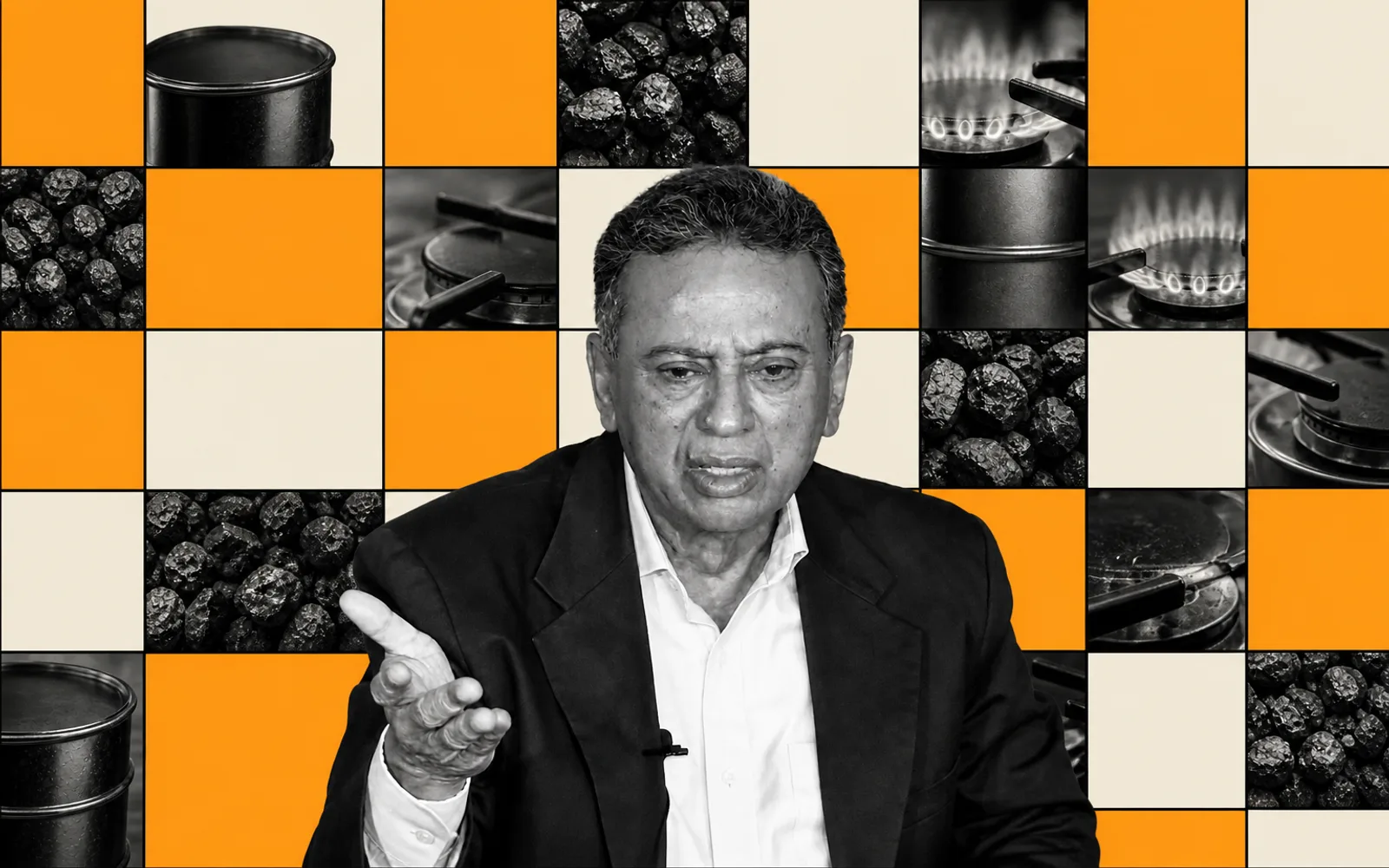
In a Nutshell:
- Finance and Planning Minister Amir Khosru Mahmud Chowdhury said Bangladesh’s electricity and gas shortages are inherited structural problems and may take at least 2 years to resolve fully.
- He said the government is finalising arrangements involving floating LNG terminals and onshore storage, while a floating LNG terminal alone could require roughly 1.5 to two years to build.
- The minister identified transmission constraints as a major weakness: generation capacity exists, but delivery through the grid has become a critical bottleneck.
- He said the government is settling its energy-mix policy around renewables and gas-based power, while also ‘examining’ coal as one available domestic resource but not announcing a final coal-extraction decision.
- Bangladesh’s present energy mix is already exposed to imported-fuel shocks: LNG accounts for a substantial share of gas supply and costs far more than domestically supplied gas.
Context
Bangladesh’s crisis is not simply a shortage of installed power plants. Available generation cannot always be dispatched due to fuel scarcity, limited transmission capacity, and gas supply disruptions. Coal has re-entered the public debate because it is a domestic resource and a potential buffer for fuel security when LNG supply is vulnerable. But using coal, particularly through new domestic extraction, raises unresolved questions about environmental damage, land acquisition and displacement, local consent, financing, emissions, and the risk of assets becoming economically stranded as global capital moves away from coal. The minister’s language, according to The Daily Star report “examining the coal-based option,” therefore signals policy consideration within a broader energy mix, rather than a declared approval of coal mining or a final commitment to extract coal from Phulbari.
Why it matters
The minister’s two-year timeline is politically honest and important because it replaces the expectation of an immediate fix with an admission that Bangladesh’s energy crunch is structural. Electricity and gas are central inputs for export manufacturing, transport, construction and investment; when supply is unreliable, factories lose production time, operating costs rise, and investors face uncertainty. Coal becomes politically attractive in that context because it appears to offer a domestic alternative and a hedge against the risk of imported gas. Yet it is not a simple energy-security solution: imported coal plants have already experienced fuel-supply problems, while new coal investments face financial, climate and environmental risks. The real policy test is whether Bangladesh can build an energy system that is dependable enough for industry, affordable enough for consumers and the treasury, and resilient enough to withstand global fuel shocks without locking the country into costly long-term liabilities.
What we think
Social media claims that the minister has announced a decision to extract coal, which goes beyond what he actually said. Amir Khosru described coal as a domestic resource whose ‘coal-based option is being examined’ within an integrated energy mix that also includes renewable and gas-based electricity; he did not announce approval for extraction, name a specific mine, or set out a project timeline. Conflating an option under review with a final policy decision weakens public debate and risks obscuring the more immediate causes of the present crisis: gas shortages, vulnerabilities in LNG supply, fuel constraints at power plants and inadequate transmission capacity. That said, careful language from the minister should not mean coal is beyond scrutiny. If the government moves from examination to a proposal for extraction or new coal capacity, it must publish the evidence: the economic case, financing plan, extraction method, expected environmental and water impacts, effects on farmland and communities, rehabilitation costs, emissions implications and safeguards for affected people. The appropriate response is neither to declare that coal extraction has already been approved nor to dismiss the discussion without analysis; it is to demand clarity, public consultation and a credible least-cost energy plan before any irreversible decision is taken.