Strait of Hormuz opening will depend on US 'fully accepting conditions', says Iran
Iran's Revolutionary Guards say the Strait of Hormuz will reopen only once the US fully accepts Iran's conditions, separate from ongoing Iran Oman talks.
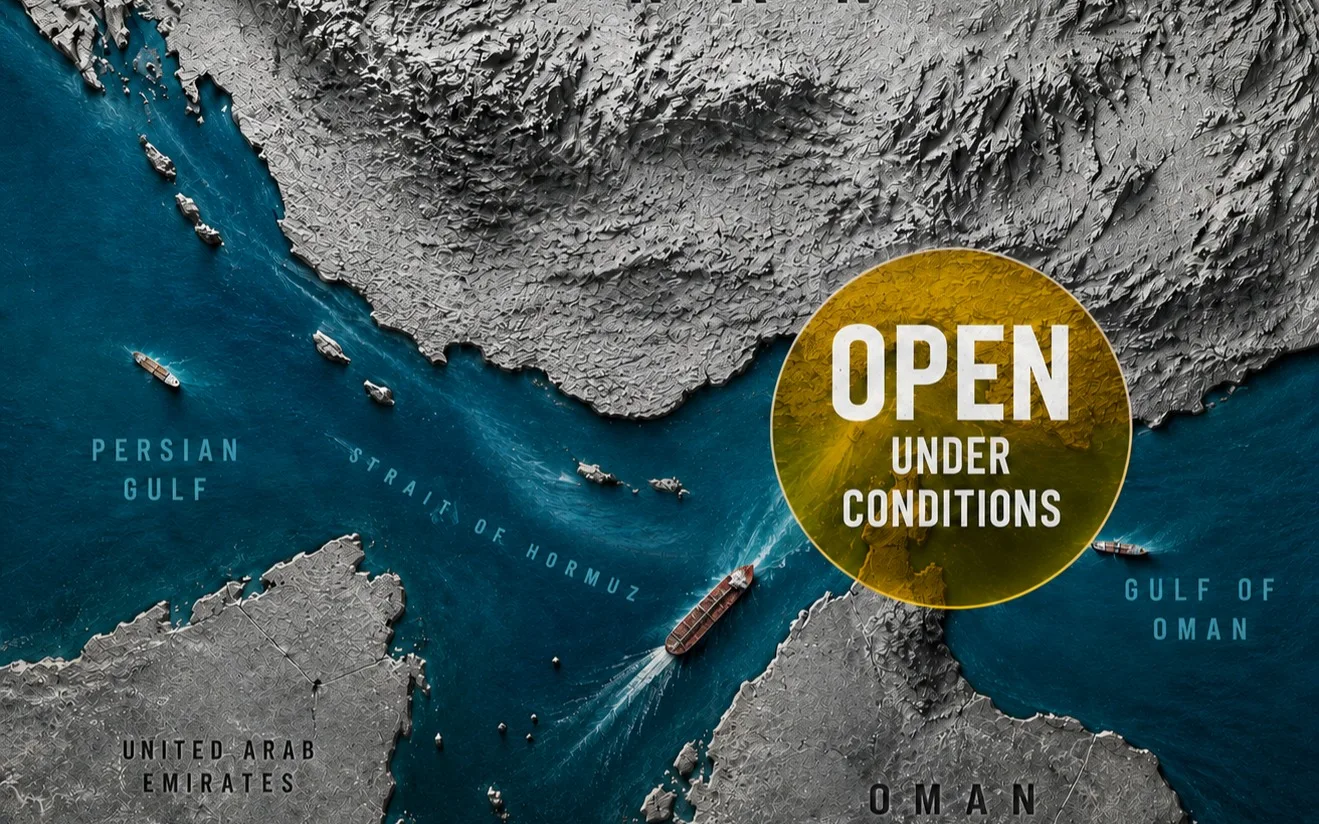
In a Nutshell:
- IRGC spokesperson says Hormuz reopening depends on US accepting Iran's conditions fully.
- Iran and Oman are close to a temporary shipping route deal, says FM Araqchi.
- UAE says Iran struck an ADNOC tanker in the strait, no injuries reported.
- US says it will lift Iran port blockade once shipping deal is announced.
- Proposed deal reportedly gives Iran control over ships entering Gulf through strait.
Why it matters
The war began February 28 with US and Israeli strikes that killed Iran's supreme leader, and a June 17 ceasefire MOU has since collapsed over disputed Hormuz language. The strait normally carried a fifth of global oil and gas shipments, so continued closure keeps energy prices high. Bangladesh imports most of its crude and fuel by sea, and Bangladeshi workers across UAE, Oman and other Gulf states face added risk as the conflict drags on.
What we think
Both sides can point to a real grievance here. Iran lost its supreme leader to an assassination and sees Hormuz control as its only remaining leverage after that strike. The US and its allies see a global shipping lane being turned into a toll booth and a weapon, with tankers hit and crew killed. Neither position fully explains the other's actions, and the vague June MOU that both sides now interpret differently has made things worse, not better. What is missing from public statements on both sides is a clear account of what a final deal actually requires, which leaves everyone else, shippers, importers, and countries like Bangladesh, absorbing the cost of that ambiguity.