India-Pakistan's UNGA Showdown
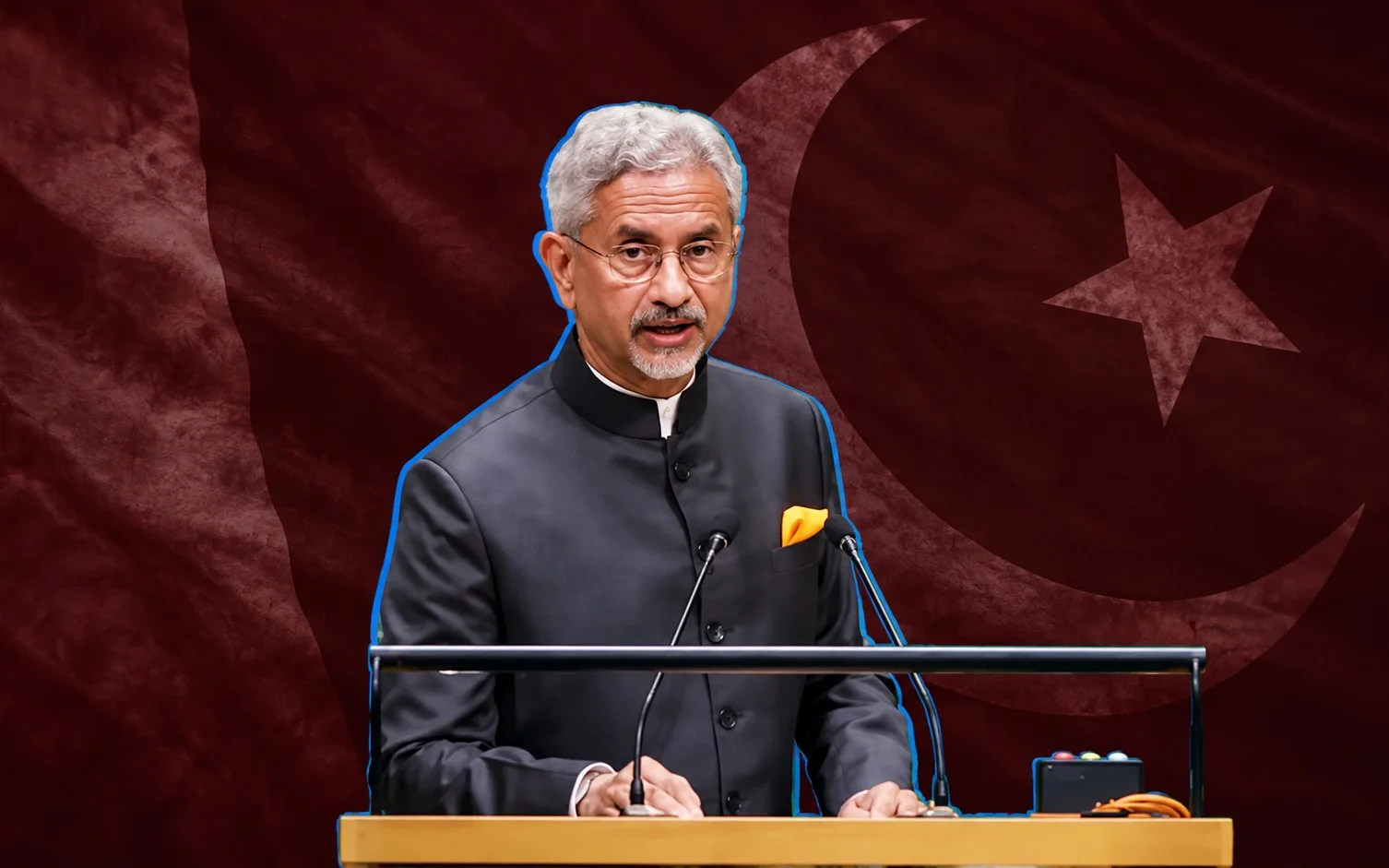
Jaishankar, who represented India at the podium instead of PM Modi, separately called an unnamed "neighbour" the "epicentre of global terrorism" whose "GDP can only be measured in radicalisation," without naming Pakistan outright.
Reading
In a Nutshell:
- Pakistan PM Shehbaz Sharif addressed UNGA for roughly 23 minutes, crediting Trump's "resolute and visionary leadership" and "timely intervention" for preventing "all-out war" during last year's conflict, which he framed as India's "external aggression."
- He called the Indus River waters "the lifeblood not only for the people of Pakistan, but for the entire region," and argued India's decision to hold the treaty in abeyance had "no legal basis whatsoever."
- Sharif warned that any Indian attempt to "stop, impede or divert" Pakistan's share of the Indus waters will be treated as an act of war."
- Trump amplified the speech on Truth Social, crediting his intervention with having "saved 30 million lives" in South Asia.
- India's First Secretary at the UN, Petal Gahlot, hit back through the right of reply, calling Sharif's address "absurd theatrics" that "once again glorified terrorism... central to their foreign policy."
- She brought up Pakistan shielding "The Resistance Front" at the UN Security Council after the April 2025 Jammu and Kashmir tourist massacre, and reminded the room that Osama bin Laden hid for a decade near Pakistan's military academy in Abbottabad.
- On Kashmir, she turned the question back on Pakistan, urging the world to "ask the people of Rawalkot about the wanton killings, the brutal violence and the denial of basic rights."
- Her closing line to Sharif: if Pakistan actually wants peace, it should "immediately shut down all terrorist camps and hand over to us the terrorists wanted in India."
- Jaishankar, who represented India at the podium instead of PM Modi, separately called an unnamed "neighbour" the "epicentre of global terrorism" whose "GDP can only be measured in radicalisation," without naming Pakistan outright.
- At a sideline press briefing, he dropped the diplomatic hedging entirely, telling a Pakistani reporter, "A terrorist country is asking me that question."
Context
This UNGA clash is a direct continuation of the 2025 India-Pakistan military conflict, where Trump claims his intervention stopped an all-out war between two nuclear-armed states. Pakistan has publicly credited Washington for this, while India maintains that no mediation ever happened and frames the whole conflict as a response to Pakistan-based terrorism, including the April 2025 tourist massacre in Jammu and Kashmir. The Indus Waters Treaty's suspension since that conflict remains an open wound, and Islamabad has now escalated its language around it to "act of war" territory.
Why It Matters
This exchange shows the India-Pakistan rivalry hasn't cooled since 2025. It's simply moved onto the world's biggest diplomatic stage, with both governments using the UN podium to shape international opinion rather than actually work toward a resolution. Trump's self-credited role as peacemaker adds a genuinely new wrinkle, since India flatly rejects any claim of third-party mediation in the ceasefire, while Pakistan is actively leaning into that narrative to keep US goodwill flowing. Framing the Indus Waters dispute as a potential "act of war" suggests water sharing could become a real trigger for escalation, not just a talking point, the next time tensions flare.
What We Think
This confirms that Kashmir and the Indus Waters dispute are staying exactly where they've been for years: frozen, weaponizable, and nowhere near resolution. The bigger risk is that Trump's transactional peacemaker framing could push Pakistan to seek even more US leverage against India, which complicates life for any country trying to balance relations with both. Bangladesh's own warming ties with Islamabad, resumed direct flights and JF-17 fighter jet talks among them, need to be weighed carefully against how India reads any Pakistan-friendly gesture through this unresolved, terrorism-charged lens.