Iran could gain control over Gulf-bound ships under proposed Hormuz deal with Oman
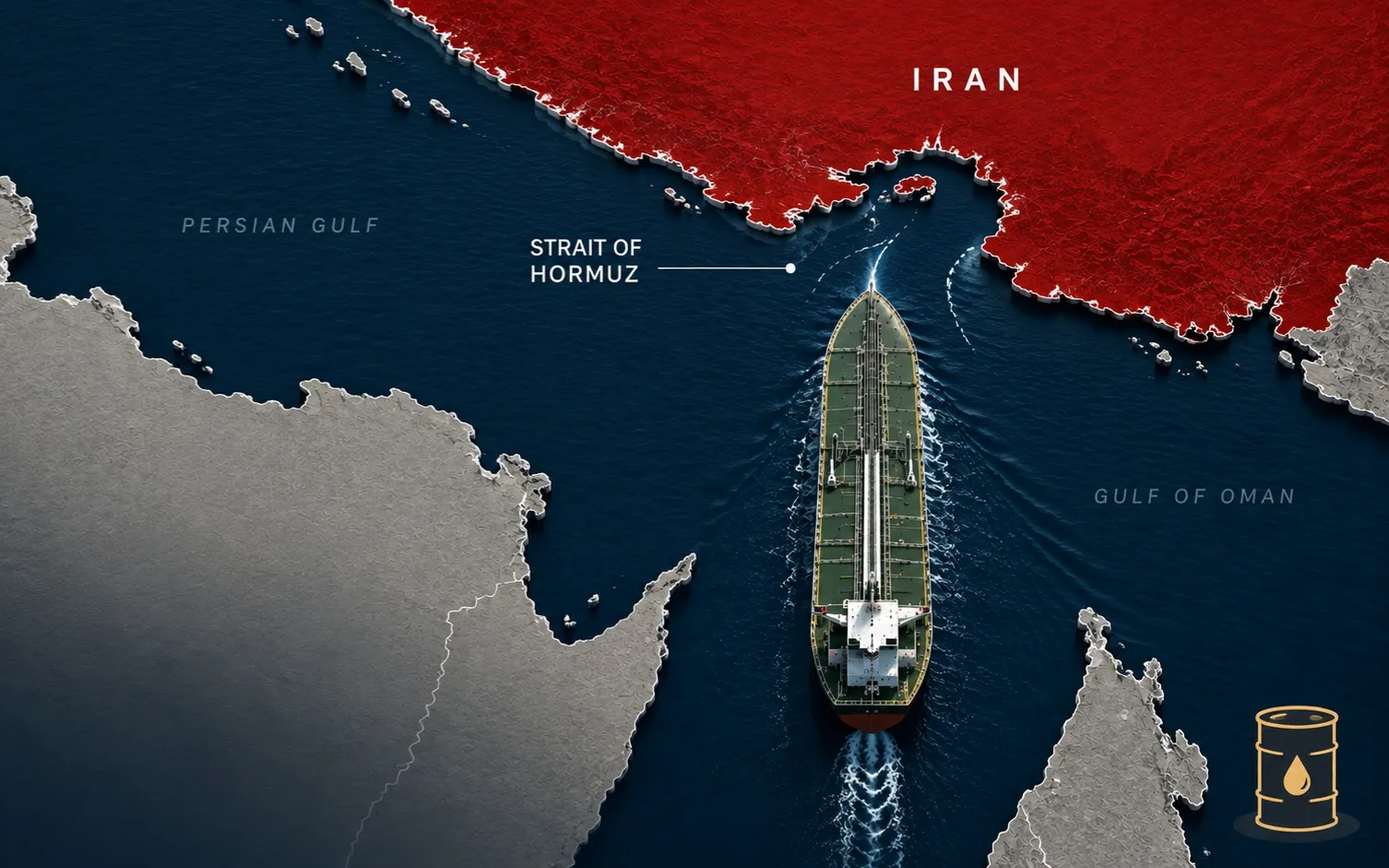
Iran and Oman are discussing a proposal that could allow Tehran to manage inbound commercial shipping through the Strait of Hormuz after a five month war with the United States. The arrangement could become a major point of tension with Washington, which has opposed any Iranian control over the key energy route and wants the strait reopened without transit fees.
Reading
In a Nutshell:
- Iran and Oman are currently finalising a proposed mechanism for reopening the Strait of Hormuz after months of disruption caused by the US Iran war, with Tehran expected to oversee inbound commercial shipping through the waterway.
- Iran is seeking transit fees of 5% to 7% of cargo values for ships using Hormuz, while Oman has proposed fees of around 3% and the US wants the route reopened without charges, according to Reuters sources.
- Brent crude fell almost 5% on Tuesday to below $80 per barrel after reports that talks could reopen the strait, but oil markets remain sensitive to any breakdown in negotiations.
- A previous US Iran ceasefire effort in June included a memorandum of understanding to stop fighting, reopen Hormuz and reach a wider agreement within 60 days, but the deal collapsed as attacks resumed within days.
Why it matters
The Strait of Hormuz has become the central leverage point in the US Iran conflict because control over the route affects both military pressure and global energy markets. Before the war began on 28 February, the strait carried about 20% of global oil and LNG shipments, and the disruption pushed governments and markets to focus on whether Tehran or Washington would shape the rules for reopening it. The proposed Iran-Oman arrangement matters because it could give Iran a formal role in approving inbound commercial traffic, a position that conflicts with Washington’s long stated demand for unrestricted passage. The fee dispute is a potential source of increased tension between Tehran and Washington as Iran seeks 5% to 7% of cargo value instead of Oman's proposed value of 3% while the US opposes charges altogether. Brent crude’s nearly 5% drop on Tuesday to below $80 per barrel shows markets are responding to diplomatic progress, but the price movement remains tied to whether a workable settlement can actually hold.
What we think
The dissolution of the ceasefire in June shows that restoring shipping alone will not resolve the dispute driving the conflict. In a memorandum of understanding signed by both US and Iran, the agreement aimed to halt fighting, reopen Hormuz and reach a broader settlement within 60 days, but collapsed within days as both sides resumed attacks. Iran now has a stronger negotiating position because any reopening of Hormuz requires its cooperation, while the US faces a choice between rejecting Iranian involvement and prolonging uncertainty around a route that affects global energy supplies. President Donald Trump has warned Iran would be "hit very hard" if the strait does not reopen soon, while Tehran says US actions, including the naval blockade of Iranian ports, remain the reason the waterway is insecure. A lasting agreement will depend on whether both sides can move from using Hormuz as pressure tool to accepting clear rules on shipping authority, inspections and fees.