4% of Global Oil Supply Cut After Attack on Saudi Pipeline
A drone strike from Iraq shut down Saudi Arabia's key East-West pipeline, threatening 4% of the world's oil supply within days.
In a Nutshell
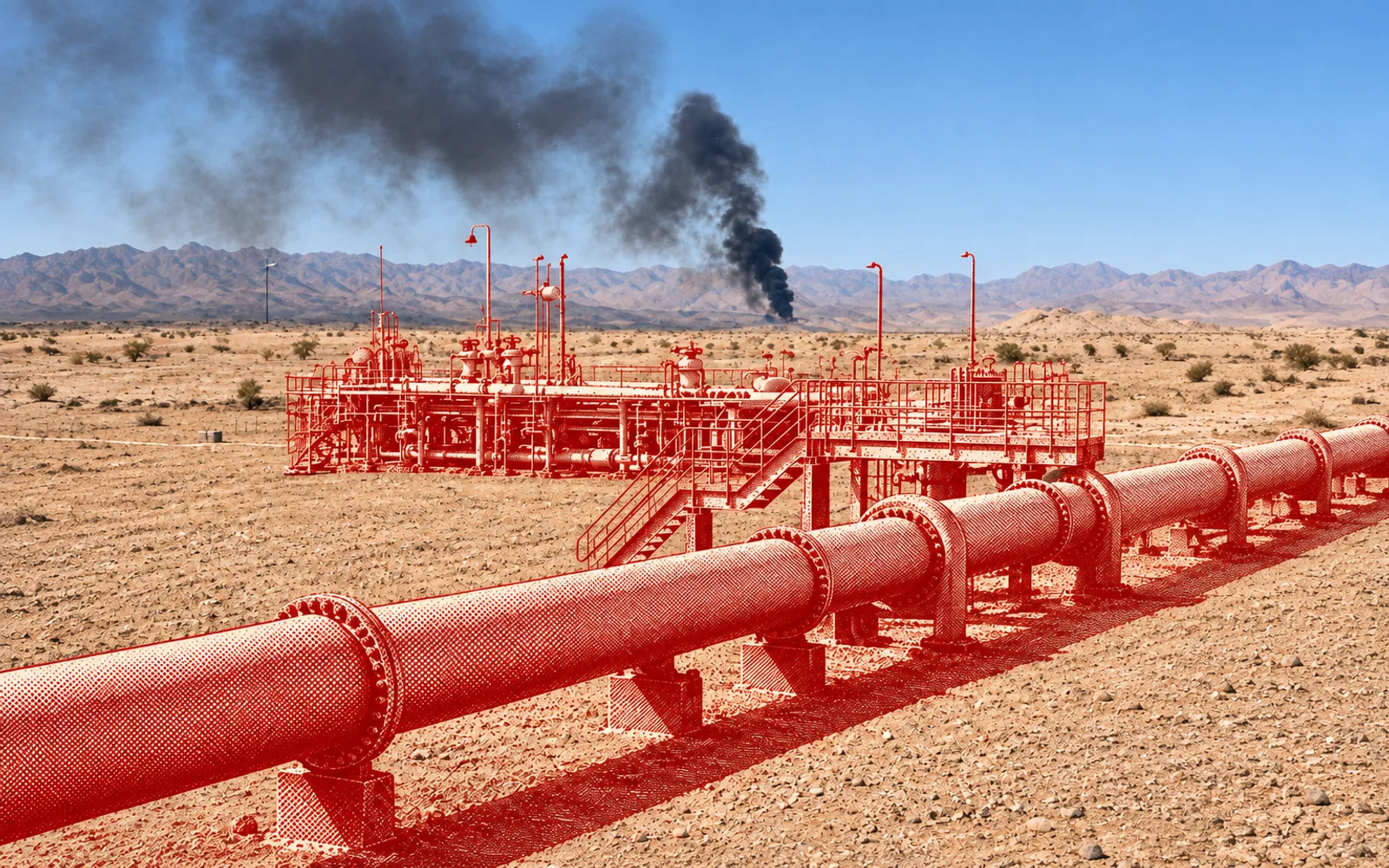
- On September 10-11, drones launched from Iraq's Maysan province struck pumping stations on Saudi Arabia's East-West pipeline, sparking fires and forcing Riyadh to shut the line down as a "precautionary measure".
- The pipeline normally carries 4-5 million barrels of oil per day from eastern Saudi Arabia to the Red Sea port of Yanbu, making it the kingdom's main workaround for bypassing the war-blocked Strait of Hormuz.
- Saudi officials and Iraq's government both confirmed the drones came from Iraqi territory; Iraq removed a local military commander and opened an investigation, while the Iran-backed militia umbrella group denied responsibility.
- Regional officials say the Houthis helped coordinate and plan the attack alongside Iran-backed Iraqi militias, but did not launch the drones themselves, marking a distinct escalation from the Houthis' own separate campaign against Saudi Arabia.
- Traders warned that stored oil at Yanbu can only cover exports for five to seven days, and while one estimate points to a possible quick partial restart, another puts full repairs at five to six weeks.
- Saudi Arabia agreed to delay any retaliation at Iraq's request, even as President Trump said Iran was "probably" behind the strike and oil prices jumped over 3% on the news.
Context
Saudi Arabia built the East-West pipeline as a backup route after Iran effectively shut down much of the Strait of Hormuz during its ongoing war with the United States. This pipeline let Saudi crude reach the Red Sea overland instead of through the blocked strait. The new drone attack, separate from the Houthis' own campaign against Saudi Arabia, removes this backup route just as global oil markets were already strained. Iraq is home to several Iran-backed militias, and officials suspect they carried out the strike.
Why It Matters
This attack hit the one lifeline keeping Saudi oil flowing during the wider Iran-US war, and the fact that it worked shows just how much power Iran-aligned groups now wield over the world's energy supply. With the Strait of Hormuz already shut, losing the East-West pipeline too means Saudi Arabia could lose both its main export routes at the same time, something markets have simply never had to deal with before. Oil prices jumped more than 3% the moment the news broke, and analysts are already warning things could spiral further if repairs stretch into weeks rather than days.
There's a diplomatic fault line here too. Saudi Arabia chose to hold back on retaliation, giving Iraq's government room to act, but that patience won't last forever, and another attack could easily trigger the kind of direct confrontation seen after a similar strike back in July. What started as a Gulf crisis has become something bigger: a real test of whether oil can still move out of this region at all, and inflation and bond markets around the world are already feeling the tremors.
What we think
This attack probably won't hit Bangladesh's energy crisis immediately. Energy and Mineral Resources officials say the country holds 35 days of diesel stock, and refined petroleum keeps arriving normally from diversified suppliers including China, Malaysia, Indonesia, Thailand, India, and Oman.
But if 4% of global oil supply stays offline, the pain spreads globally, and Bangladesh will share its part: costlier fuel purchases, tankers rerouted around Africa driving up transport costs, fertiliser shipments delayed just before planting season, and electricity bills tied to volatile oil prices.
Saudi officials estimate repairs could take up to six weeks, and further attacks or retaliation between Iran-backed groups and Saudi Arabia remain possible in the meantime.