Pakistan strikes 10 sites in Afghanistan after accusing Kabul of drone attacks
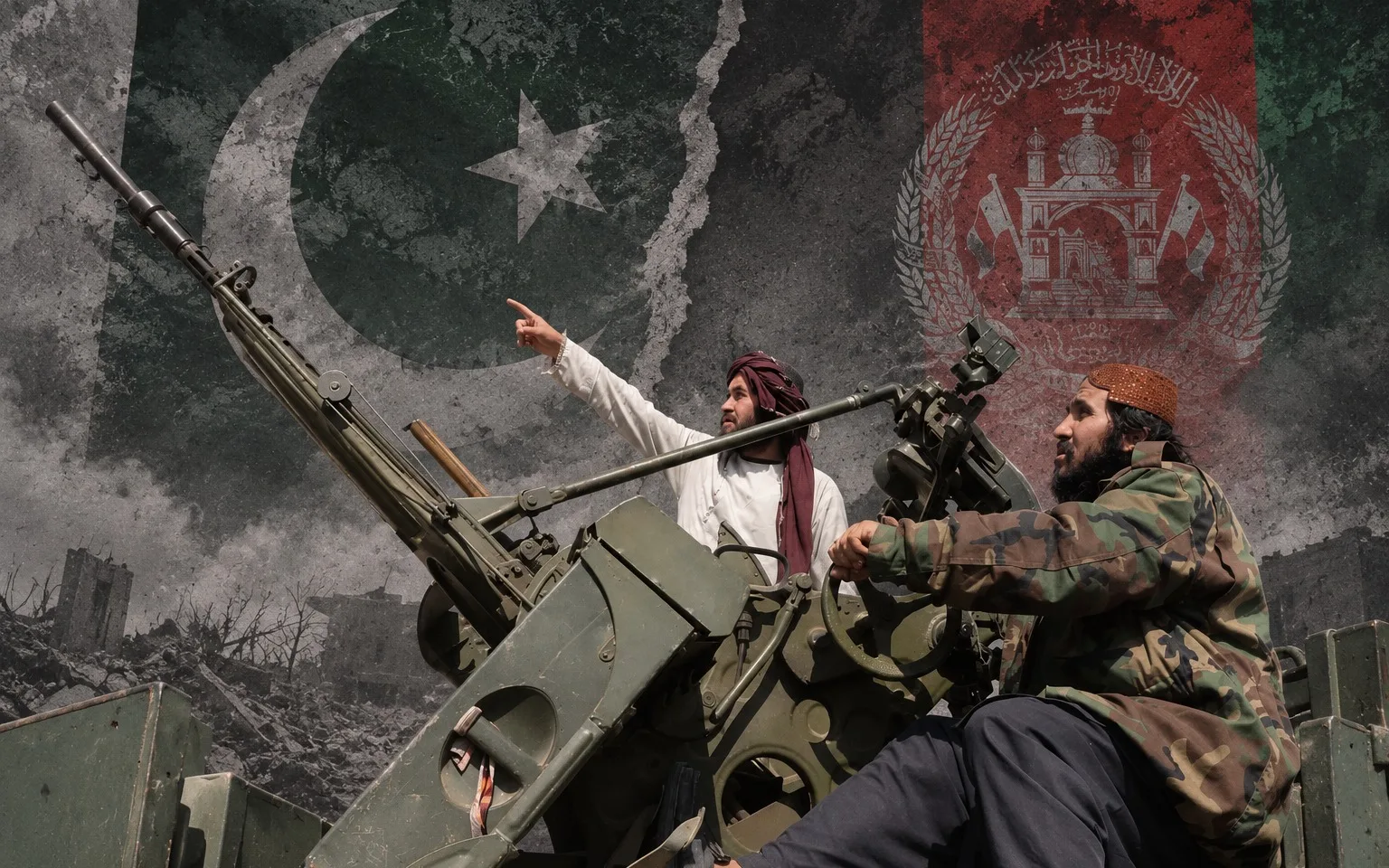
Pakistan says it struck 10 sites in Afghanistan after its forces intercepted eight drones that Islamabad says entered from Afghan territory. The strikes come three days after Pakistan attacked alleged militant hideouts in Afghanistan following deadly attacks in its northwest, deepening a dispute over whether Kabul is allowing anti Pakistan groups to operate from its soil.
Reading
In a Nutshell:
- Pakistan said its air defence systems shot down eight drones on Wednesday, with four intercepted near Torkham and four near Kohat, after they entered from Afghanistan.
- Information Minister Attaullah Tarar said Pakistan then struck 10 Afghan locations used to launch and store drones, calling the targets military sites linked directly to the attempted attacks.
- Pakistan also said Afghan forces fired mortars and other heavy weapons at its border posts after Pakistani troops stopped an attempted militant infiltration in Kurram.
- Afghan officials confirmed Pakistani strikes in Khost and said there were no casualties there, while Afghanistan’s government denied carrying out the drone attacks.
- The latest strikes follow Pakistan’s September 21 attacks on alleged militant hideouts in Kunar and Paktika, where Pakistan said 28 militants were killed and the UN confirmed three Afghan civilians died.
Context
Pakistan’s latest action follows several deadly attacks in Khyber Pakhtunkhwa that Islamabad has blamed on militants operating from Afghanistan. Six Pakistani security personnel were killed in Hangu, while an attack on a police compound in Kohat killed at least 16 people and wounded 57, according to Reuters. Pakistani authorities have accused the TTP and other groups of using Afghan territory, but Kabul rejects the allegation. On September 21, Pakistan acted on that accusation directly, striking alleged militant facilities in eastern Afghanistan. Pakistan said 28 militants were killed, while Afghan authorities reported three civilian deaths and four injuries, with UNAMA confirming the three deaths. Kabul protested the strikes and warned it would respond. During earlier talks in China, Islamabad sought a formal Afghan declaration that the TTP is a terrorist organisation, dismantling of its infrastructure and verifiable proof that those measures had been carried out.
Why it matters
The new drone strikes give Pakistan another basis for acting directly inside Afghanistan, beyond its existing claims about militant sanctuaries. Islamabad says it had already intercepted every drone before it reached its intended target, yet still struck the locations it says were responsible for launching or storing them. Pakistan is therefore presenting the operation as a response to an attack on its territory rather than only as a strike against militants based across the border. At the same time, China, Türkiye, Qatar and Saudi Arabia have been involved in efforts to mediate between Islamabad and Kabul, giving the latest exchange a direct bearing on those negotiations.
What we think
Pakistan has spent months asking Kabul for action it can verify against groups operating from Afghanistan. The latest operation shows Islamabad is now willing to enforce that demand militarily, treating attacks it attributes to Afghan territory as grounds for strikes inside Afghanistan. Pakistan is no longer waiting for Kabul to accept its accusations or act on them before responding, while Kabul continues to deny responsibility. If this becomes the pattern, the question will be less about whether either side can make its case and more about how many incidents they can absorb before the military confrontation overtakes the diplomatic process.