Split Threat Grows in UK
Britain is not breaking apart yet, but the pressure on the union is rising fast. Scotland, Wales and Northern Ireland have now coordinated to demand constitutional change from London.
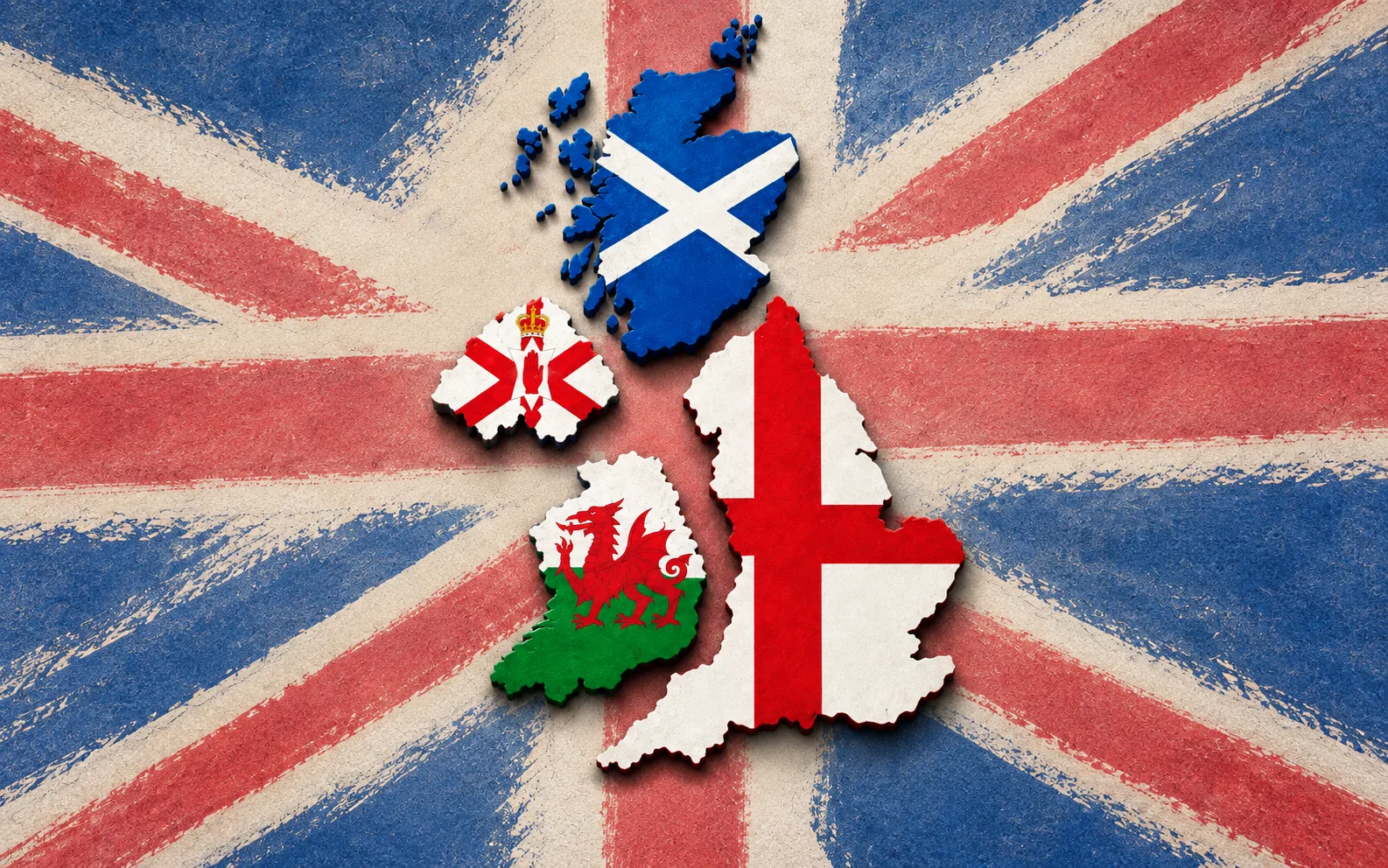
In a Nutshell:
- Scotland, Wales and Northern Ireland signed a memorandum in Cardiff asking the UK government to “prepare, plan and facilitate” constitutional change.
- The push grew after Scottish National Party MP Chris Law asked whether Scotland could hold a referendum on its constitutional future.
- UK leader Andy Burnham said a second Scottish referendum is “off limits” because there is no consensus.
- The last Scottish independence referendum was held in 2014, when voters chose to stay in the UK by 55% to 45%.
- UK referendums are politically powerful but not automatically legally binding, because Parliament must authorize each vote.
Context
The UK has long used referendums for major constitutional questions, including Europe, voting reform and devolution. Brexit intensified tension between UK-wide sovereignty and devolved self-government, especially in Scotland and Wales. The current push is tied to that wider strain, plus renewed debate over Irish reunification and Scottish independence.
Why it matters
This dispute strikes at the very survival of the UK. Driven by the fallout from Brexit, Scotland, Wales, and Northern Ireland are all actively challenging Westminster's authority. If London resists, it risks fueling deeper resentment; if it caves, it opens the door to a messy breakup with massive economic and security fallout. Even if the union doesn't collapse tomorrow, it has entered an incredibly fragile phase.
What we think
If Westminster is consumed by fighting to keep the union together, vital immigration and investment policies will inevitably suffer. The UK might not break apart tomorrow, but to protect our own interests, building relationships with Edinburgh, Cardiff, and Belfast doesn't seem like a bad idea at all.