Dhaka Signals Door Open for Tarique's Delhi Visit
Dhaka is signalling that Prime Minister Tarique Rahman could visit India, with State Minister for Foreign Affairs Shama Obaid Islam saying no date has been set, but a visit remains possible.
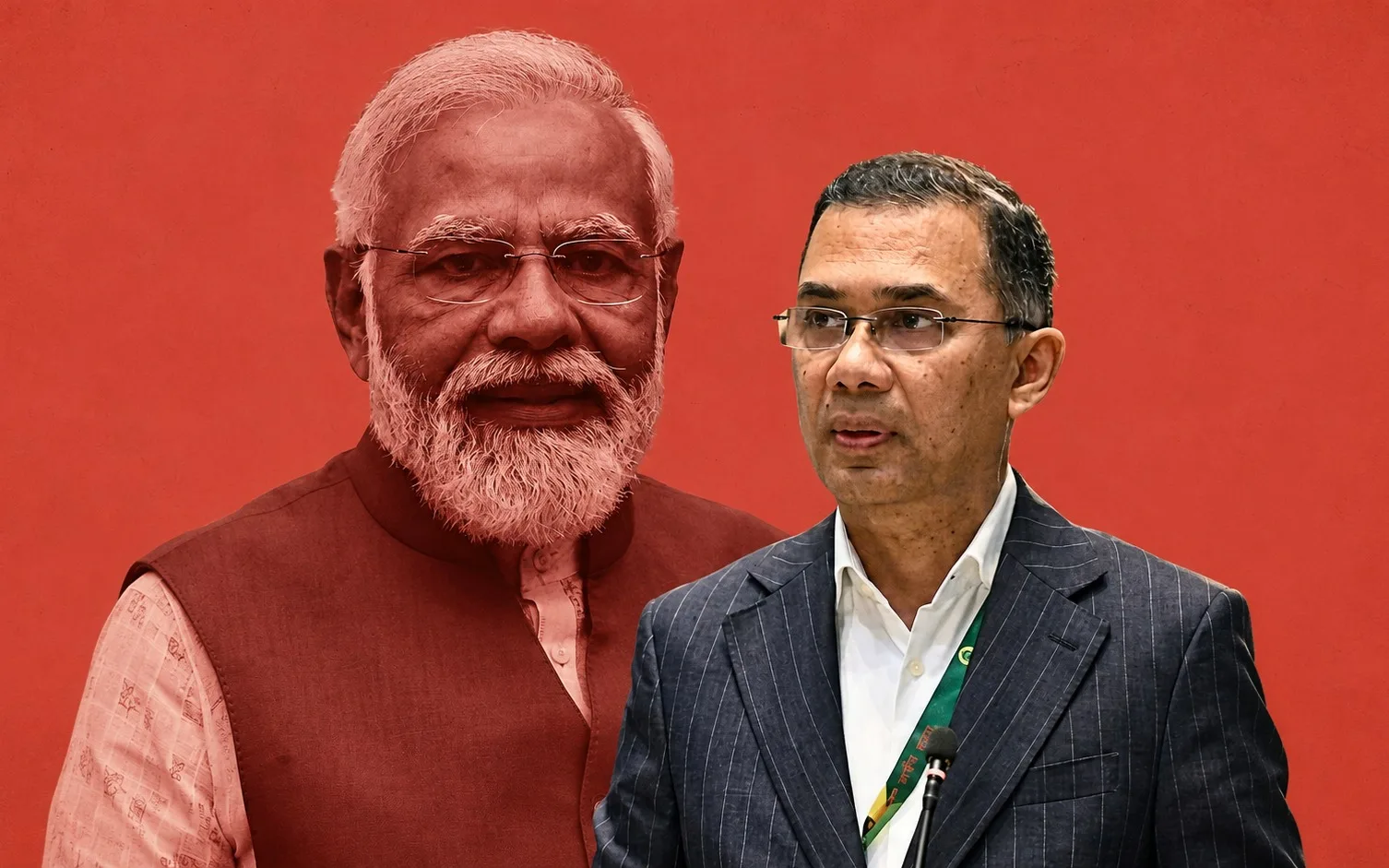
In a Nutshell:
- Foreign Affairs State Minister Shama Obaid Islam said PM Tarique could visit India when his domestic schedule allows, but no date has been finalised. She said India should make proper use of the opportunity and that bilateral talks could help resolve outstanding problems.
- India has invited Tarique twice: Modi invited him and his family to India in February, and again to attend the 18th BRICS Summit in New Delhi on 12-13 September.
- PM Tarique met India's High Commissioner, Dinesh Trivedi, on 10 August and called for a "conducive environment" to improve ties.
- This also comes after US Ambassador to India Sergio Gor's meetings with PM Tarique in Dhaka and senior Indian officials in Delhi, putting Washington's growing engagement with both countries into the wider picture.
Context
After the BNP government assumed office in February, India moved quickly to establish ties with PM Tarique Rahman, first inviting him to Delhi and later to the BRICS summit, though the BRICS invitation addressed the BIMSTEC Chairperson. Dhaka, on the other hand, has remained cautious, given that the bilateral relationship is still weighed down by India’s prolonged delays in expediting the ousting of Sheikh Hasina and other bilateral disputes. Now, Dhaka is signalling that a visit to Delhi is possible and that direct talks could help address these issues.
Why it matters
A Delhi visit would give Tarique an opportunity to establish a direct working relationship with PM Narendra Modi at a time when both sides are trying to reset ties without having resolved their biggest disagreement: Hasina's presence in India. Dhaka wants her extradited and objects to her political activity on Indian soil, while Delhi appears to be stalling for time in processing her extradition. How long these bilateral tensions will be sustainable remains a major question. Functional diplomatic ties will be essential as India remains important to Bangladesh for trade, connectivity, border management, energy and regional cooperation. At the same time, the BNP government is not putting all its eggs in one basket, as can be seen with the steps it is taking to build stronger relationships with China, the US, Japan and other partners.
What we think
Dhaka's latest message seems to be that the door to Delhi is still open, maybe not through BRICS, but a bilateral visit is still on the table. Our diplomatic sources suggest it is very much a possibility that the PM will agree to a bilateral visit. While Hasina's extradition will continue to influence ties between Bangladesh and India, the two governments can still make progress on the issues where cooperation is immediately possible, including trade, connectivity, border management and regional interests.