Trump Says He Doesn’t ‘Really Want’ Iran Peace Deal as US Considers Renewed Strikes
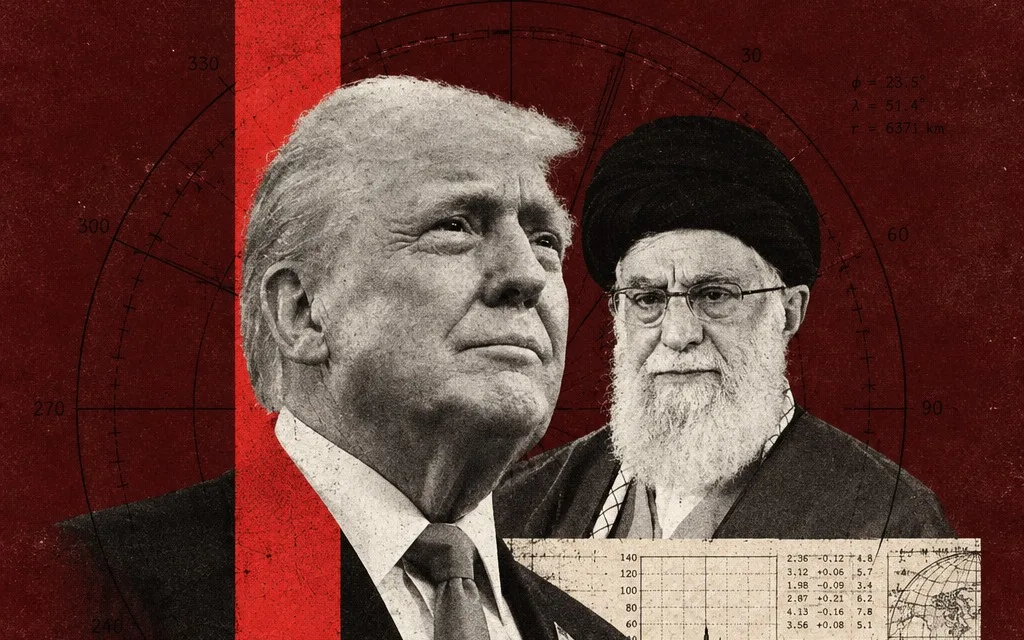
Donald Trump says his envoy is making progress with Iran but that he does not “really want” a deal, as Washington considers renewed strikes and fighting involving Iran-aligned forces spreads across the region.
Reading
In a Nutshell ● Donald Trump said Wednesday that his Middle East envoy Steve Witkoff was making progress with Iran, but said a deal was “not really something that I want to do.”
In a Nutshell
- Donald Trump said Wednesday that his Middle East envoy Steve Witkoff was making progress with Iran, but said a deal was “not really something that I want to do.”
- NBC News reported that Trump and his national security team have discussed restarting large-scale US military operations in Iran in the coming weeks, including possible strikes before November’s midterm elections.
- The comments come days after Iran’s seven-day roadmap for ending regional fighting, reopening the Strait of Hormuz and restarting nuclear talks was rejected by Trump.
- Iran had proposed reopening Hormuz on the seventh day if Washington lifted its naval blockade, waived oil sanctions and released at least $12 billion in frozen Iranian assets.
- Fighting has also intensified in Yemen, with Iran-aligned Houthis attacking Saudi airports. Three people were killed, and more than 30 were injured in attacks on King Khalid International Airport in Riyadh and Abha Airport.
- The Houthis claimed another missile attack on King Khalid International Airport on Thursday, while fighting between the group and Saudi-backed Yemeni forces has worsened.
Context
Iran’s seven-day proposal came after months of fighting and a failed June understanding that had also linked a halt in hostilities to reopening Hormuz and restarting nuclear negotiations. Tehran has insisted that diplomacy remains the way forward, while Washington has demanded commitments on Iran’s nuclear programme and other issues before making major concessions.
Trump says Witkoff is making progress, but his own comments suggest that ending the war through a negotiated deal is not necessarily Washington’s preferred route. At the same time, the White House is considering renewed military options against Iran.
Why It Matters
On a broader level, the US-Iran standoff also affects Washington’s position in the Gulf. The Houthis, which the US describes as an Iranian proxy, have escalated attacks on Saudi Arabia, killing three people and injuring more than 30 in recent airport strikes. Saudi Arabia has asked for direct US military intervention, but Trump has resisted.
The Houthis' involvement in these attacks is a clear sign that this goes beyond a confrontation between the US and Iran, with the conflict spreading throughout the region. The US now has to contend with whether it should step in to stop the attacks on Saudi Arabia, one of its key regional partners, while also dealing with Iran.
What We Think
With Trump rejecting Iran’s seven-day plan and now suggesting that a deal is not really what he wants as his administration considers renewed strikes, a stable settlement between the two countries looks increasingly unlikely in the near term.